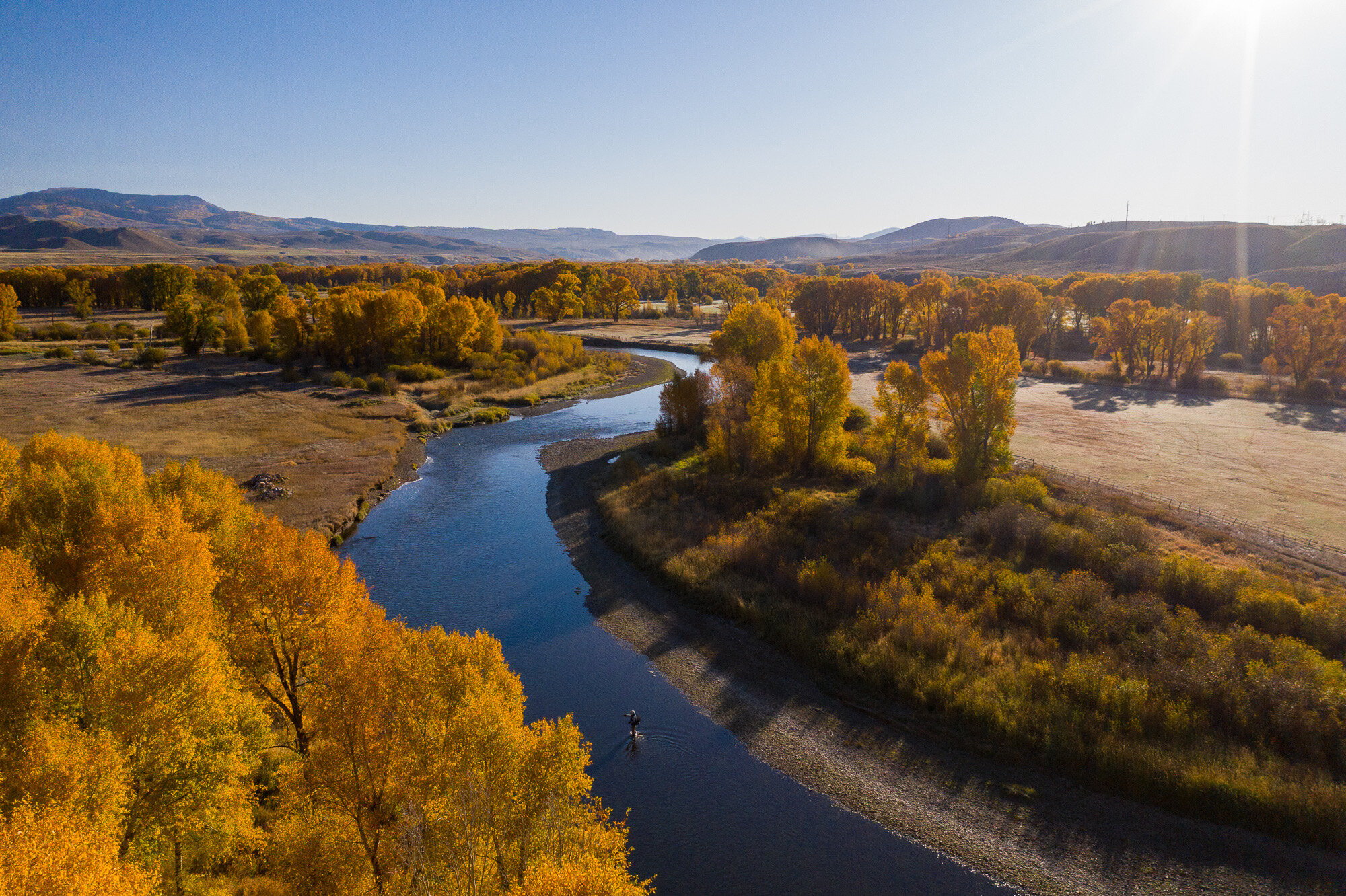
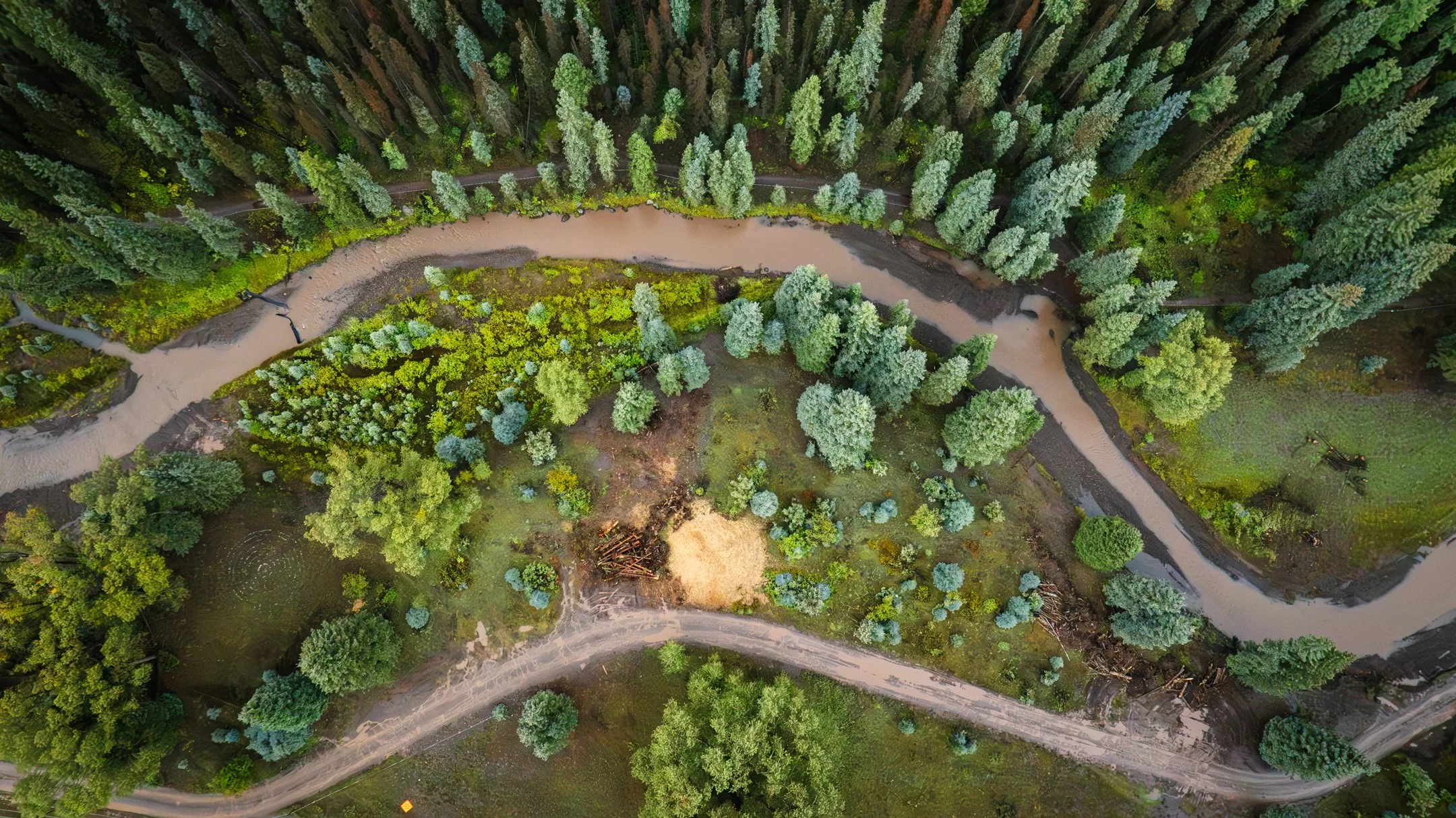

By David Nickum For more than a decade, the battle over Colorado’s Roan Plateau—a beautiful green oasis surrounded by oil and gas development—raged in meetings and in courtrooms. At issue: Would the “drill, baby, drill” approach to public lands carry the day and the path of unrestrained energy development run over one of Colorado’s most valuable wildlife areas? Or would “lock it up” advocates preclude all development of the Roan’s major natural gas reserves?
Luckily, this story has a happy ending—and a lesson for Colorado and other states in the West struggling with how to balance the need for energy development with conservation of public lands and irreplaceable natural resources.
The Bureau of Land Management recently issued its final plan for the Roan Plateau, closing the most valuable habitat on top of the plateau to oil and gas leases. The plan, which will guide management of the area for the next 20 years, also acknowledges the importance of wildlife habitat corridors connecting to winter range at the base of the Plateau.
At the same time, the BLM management plan allows responsible development to proceed in less-sensitive areas of the plateau that harbor promising natural gas reserves and can help meet our domestic energy needs.
What happened? After years of acrimony and lawsuits, stakeholders on all side of the issue sat down and hammered out a balanced solution. Everyone won.
It’s too bad it took lawsuits and years of impasse to get all sides to do what they could have done early on: Listen to each other. We all could have saved a lot of time, money and tears.
The Roan example is a lesson to remember, as the incoming administration looks at how to tackle the issue of energy development on public lands.
There’s a better way, and it’s working in Colorado.
The BLM also this month, incorporating stakeholder input, closed oil and gas leasing in several critical habitat areas in the Thompson Divide—another Colorado last best place—while permitting leasing to go ahead in adjacent areas.
That plan also represents an acknowledgment that some places are too special to drill, while others can be an important part of meeting our energy needs.
And in the South Park area—a vast recreational playground for the Front Range and an important source of drinking water for Denver and the Front Range—the BLM is moving ahead with a Master Leasing Plan (MLP) for the area that would identify, from the outset, both those places and natural resources that need to be protected and the best places for energy leasing to proceed.
We have said that we want federal agencies in charge of public lands to involve local and state stakeholders more closely in land management planning—that perceived disconnect has been the source of criticism and conflict in the West regarding federal oversight of public lands.
 The MLP process is a new tool that promises to address some of that top-down, fragmented approach to public land management. To their credit, the BLM is listening and incorporating suggestions from local ranchers, conservation groups and elected officials into their leasing plan for South Park.
This landscape level, “smart from the start” approach is one way for stakeholders to find consensus on commonsense, balanced solutions that allow careful, responsible energy development to occur while protecting our most valuable natural resources.
The lesson I take from the Roan? We can find solutions through respectful dialogue—and we shouldn’t wait for litigation to do so. Coloradoans can meet our needs for energy development and for preserving healthy rivers and lands by talking earlier to each other and looking for common ground.
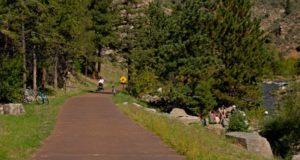 The trail includes not only 3 miles of a paved multiuse trail, but features 3 bridges, 6 new formal river access points and multiple overlooks and boulder seating areas. Other improvements include two new parking lots and an expanded parking lot and restroom at Mayhem Gulch. The parking lots are a key component to bringing a new types of visitor to Clear Creek Canyon; cyclists, hikers and walkers.
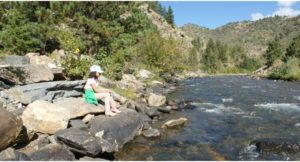 t was encouraging to see extended families walking the trail, leaning over the guardrail at an overlook pointing to trout rising behind a large boulder. Joggers pushing strollers paused at the overlooks on the bridges to catch their breath. Cyclists were numerous and one group took advantage of the informal boulder seating areas to stop for a picnic lunch. There were crowds of climbers at all of the popular areas, and fisherman were ducking in and out of the willows along the banks.
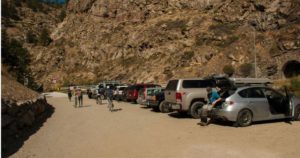 My overall impression of the trail was extremely positive. The materials used through compliment the character of the Canyon. The improved parking areas provide additional spaces and greatly improve visitor safety and the new signage is clear and concise. The biggest improvement; however, is the trail. It allows visitors to disconnect from Highway 6 and truly immerse themselves in the Creek, the Canyon, and the Landscape.
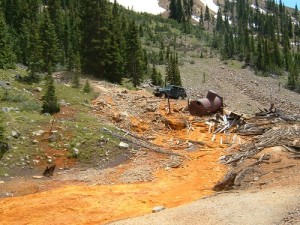 TU is currently working on three other NPS funded projects on the Illinois Gulch (Breckenridge), Evans Gulch (Leadville), and Leavenworth Creek (Georgetown) watersheds. The Environmental Protection Agency describes
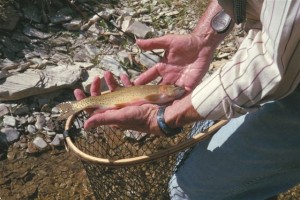
  The Western Native Trout Initiative (WNTI) has granted Colorado Trout Unlimited and the Cheyanne Mountain Chapter of Trout Unlimited $6000. Two $3,000 grants will be used to help bring public awareness to native trout and help further greenback genetic studies at Mt. Shavano Fish Hatchery. Western Native Trout Initiative is an organization dedicated to protecting native trout. They offer many different grant opportunities that provide conservation organizations with a means to realize their native trout projects.