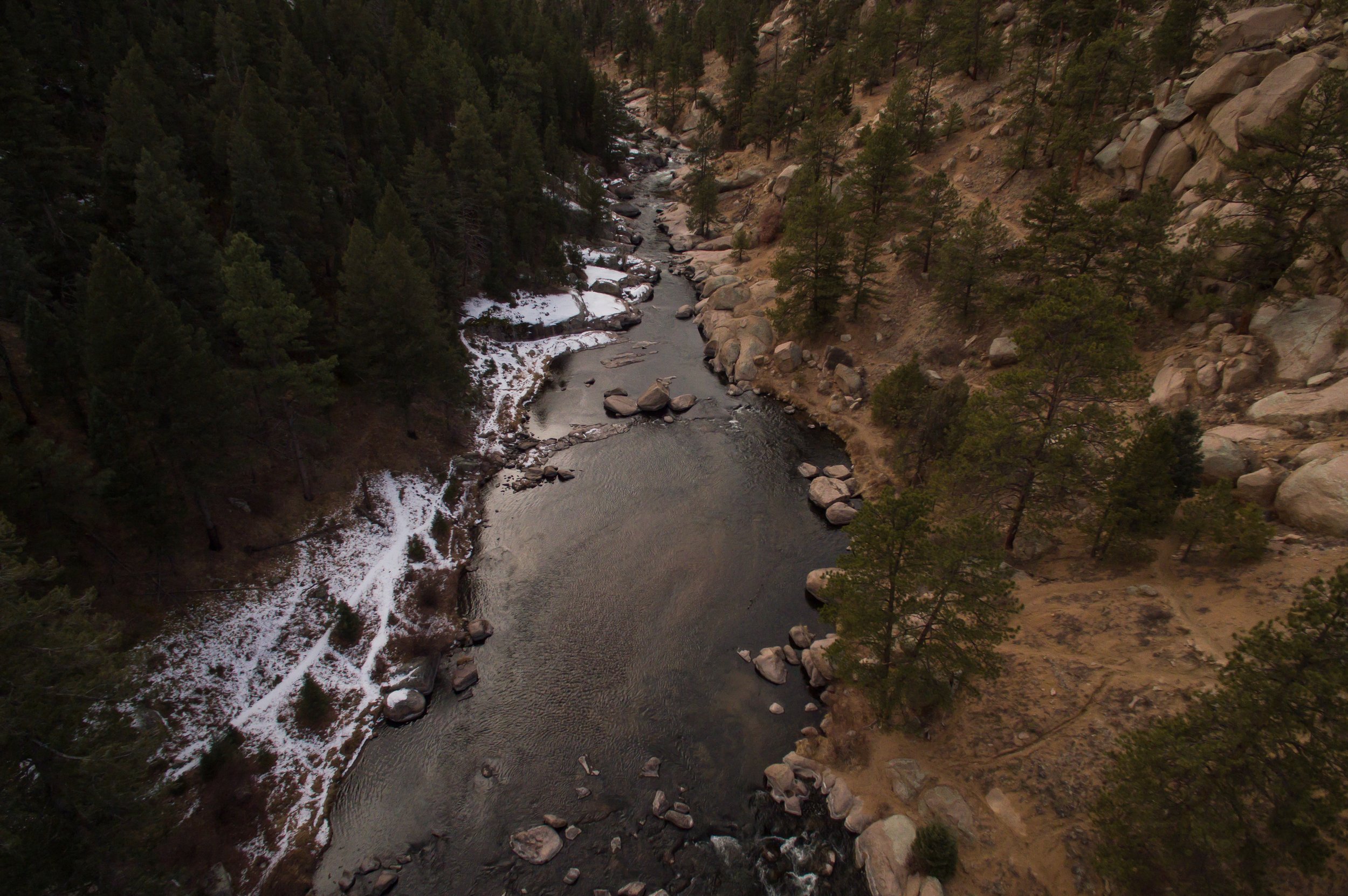
Much of Colorado’s water starts as snow in the mountains.
Each winter, snow builds up at higher elevations and stays there until spring. As it melts, that water feeds rivers, refills reservoirs, and supports communities, agriculture, and recreation across the state. That cycle is what most of Colorado depends on year to year.
This year, there is a lot less snow to work with.
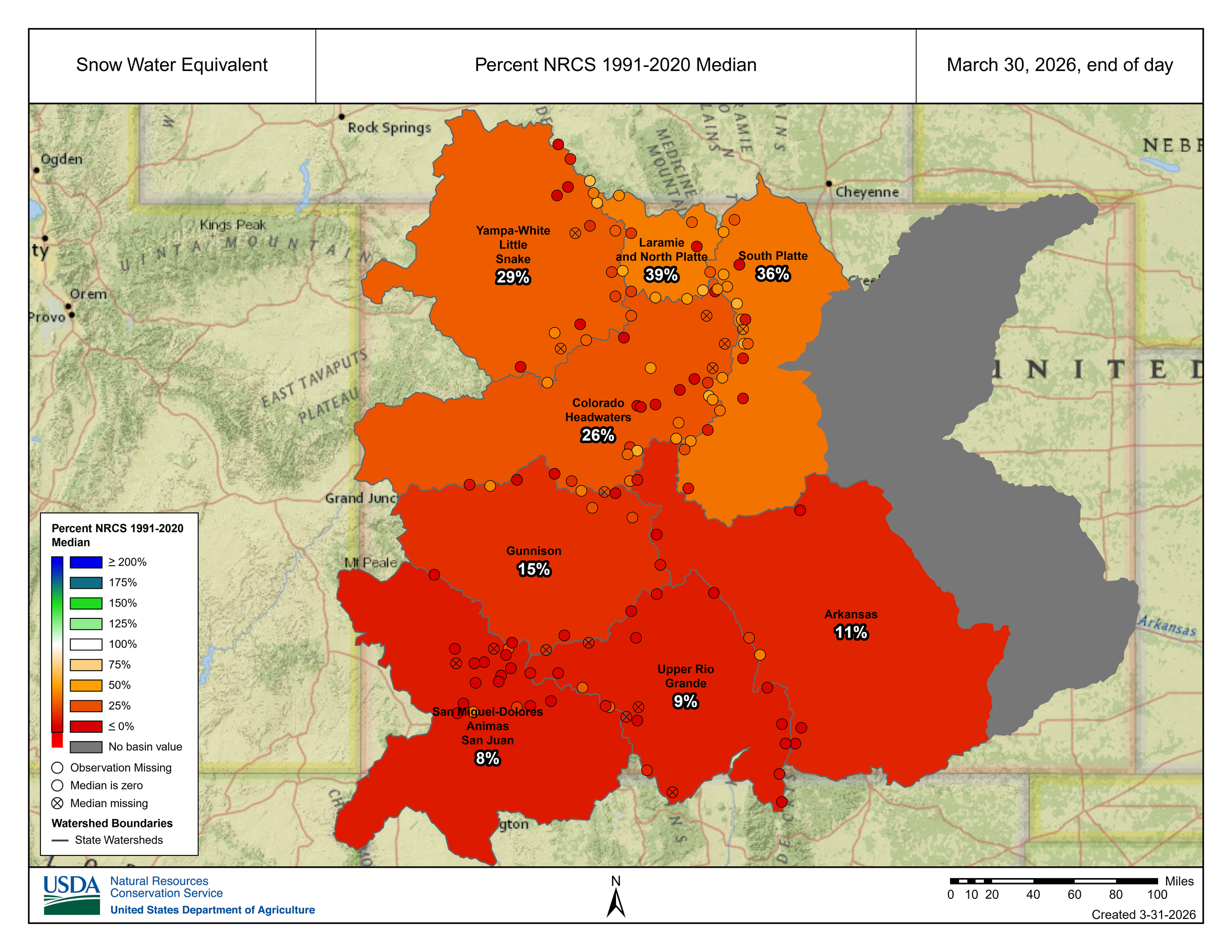
Statewide snowpack is sitting around 22 percent of average heading into the time of year when it usually peaks. Snow accumulated slowly through the winter, and recent warm temperatures have reduced what was already a limited snowpack. In some places, it has also peaked earlier than usual, which changes how that water moves through the system.
Snowpack isn’t just a winter metric. It’s the water supply for the months ahead.
As it melts, that water moves through entire watersheds, flowing into streams and rivers, recharging groundwater, and eventually reaching reservoirs and communities across Colorado. That same system supports drinking water, agriculture, local economies, ecosystems, and the ways people spend time on the water.
When there is less snow stored in the mountains, there is less water moving through that system. You don’t see that all at once. It plays out over time, affecting how much water runs off in the spring, how long flows hold into the summer, and how rivers look and feel later in the season.
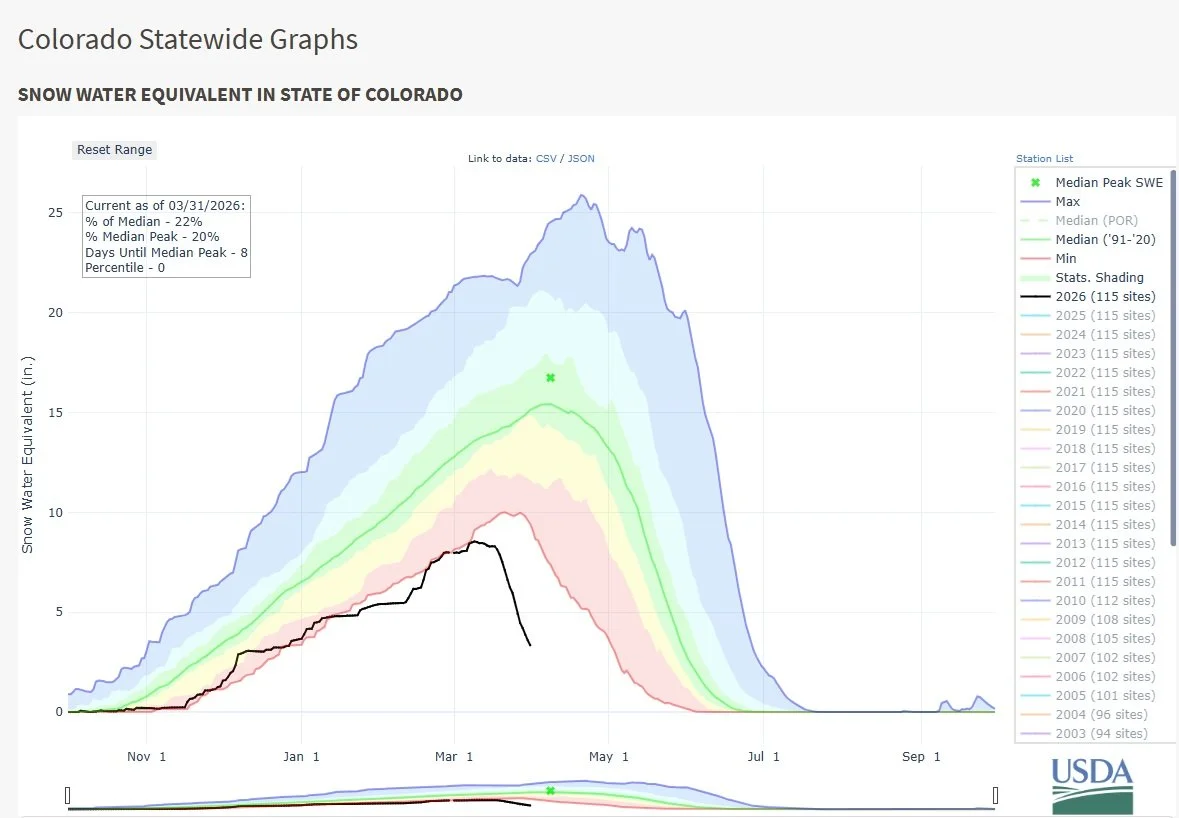
This year is also about timing, not just total snowpack. Snow has started melting earlier and more quickly than usual. When that happens, runoff can move through the system faster, which can lead to a longer stretch of lower water later in the summer if conditions continue.
The data reflects that pattern. Snowpack is well below average across all basins in Colorado, with some areas at a fraction of what is typical for this point in the year. Drought conditions are also expanding across the state. All of this points to the same thing: less water moving through the system.
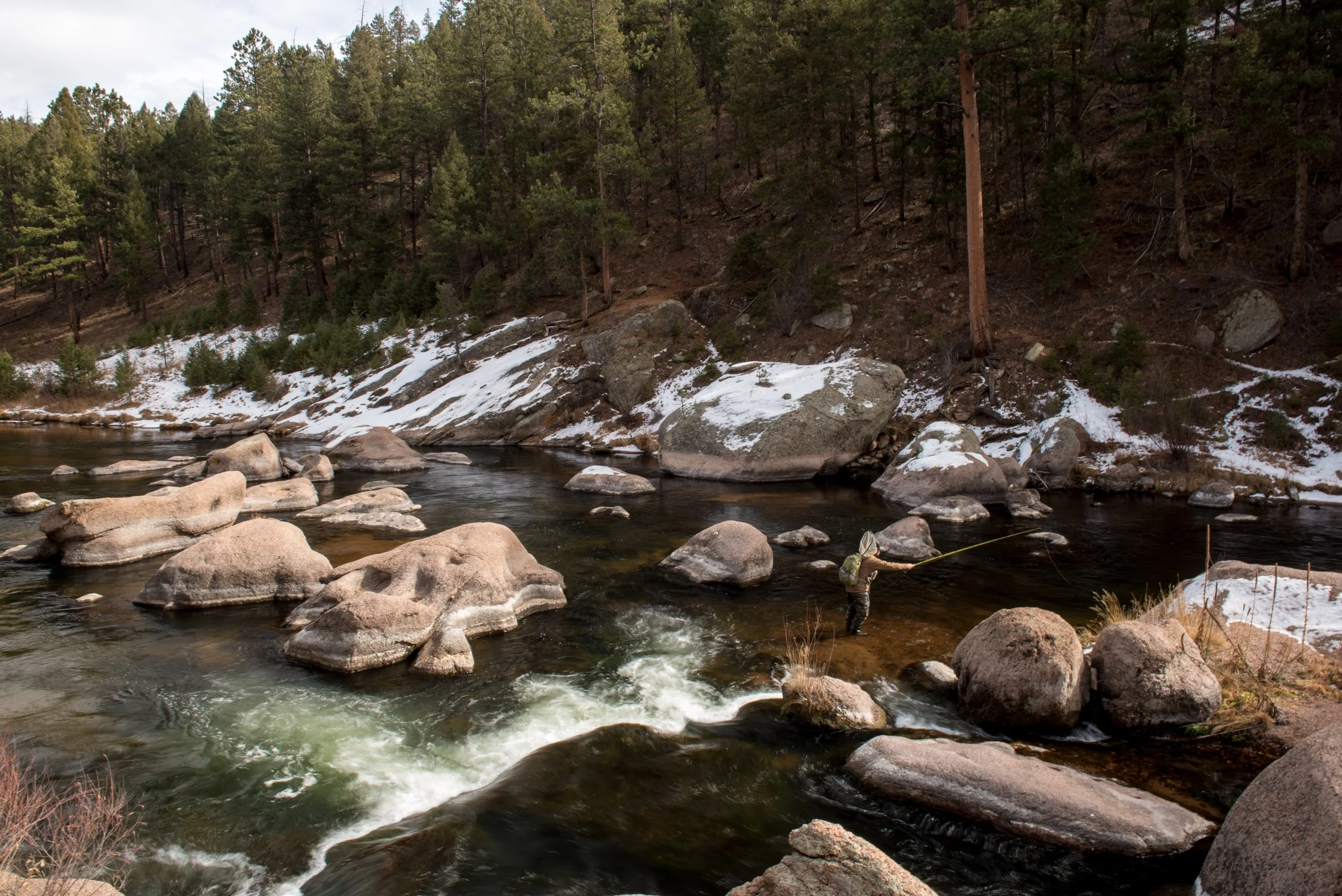
Spring weather will still play a role in how things develop. Additional precipitation and cooler temperatures can help, and conditions will vary depending on where you are. But the starting point going into runoff is lower than usual, and that shapes what comes next.
Snowpack, rivers, and water supply might feel like separate issues, but they’re all connected. What happens in the mountains carries through watersheds, into rivers, and across communities statewide.
That connection also shows up in how people experience rivers. Lower or shorter runoff can change the timing of boating, fishing, and other recreation. Conditions will vary from place to place, but they all tie back to the same source.
Colorado’s water story will continue to develop through the spring and into summer. We’ll keep sharing updates that help connect what’s happening in the mountains to what people are seeing across rivers and communities throughout the state.
Understanding how that system works is one of the most important steps in taking care of the places we all rely on.