Progress on the Poudre Headwaters Project
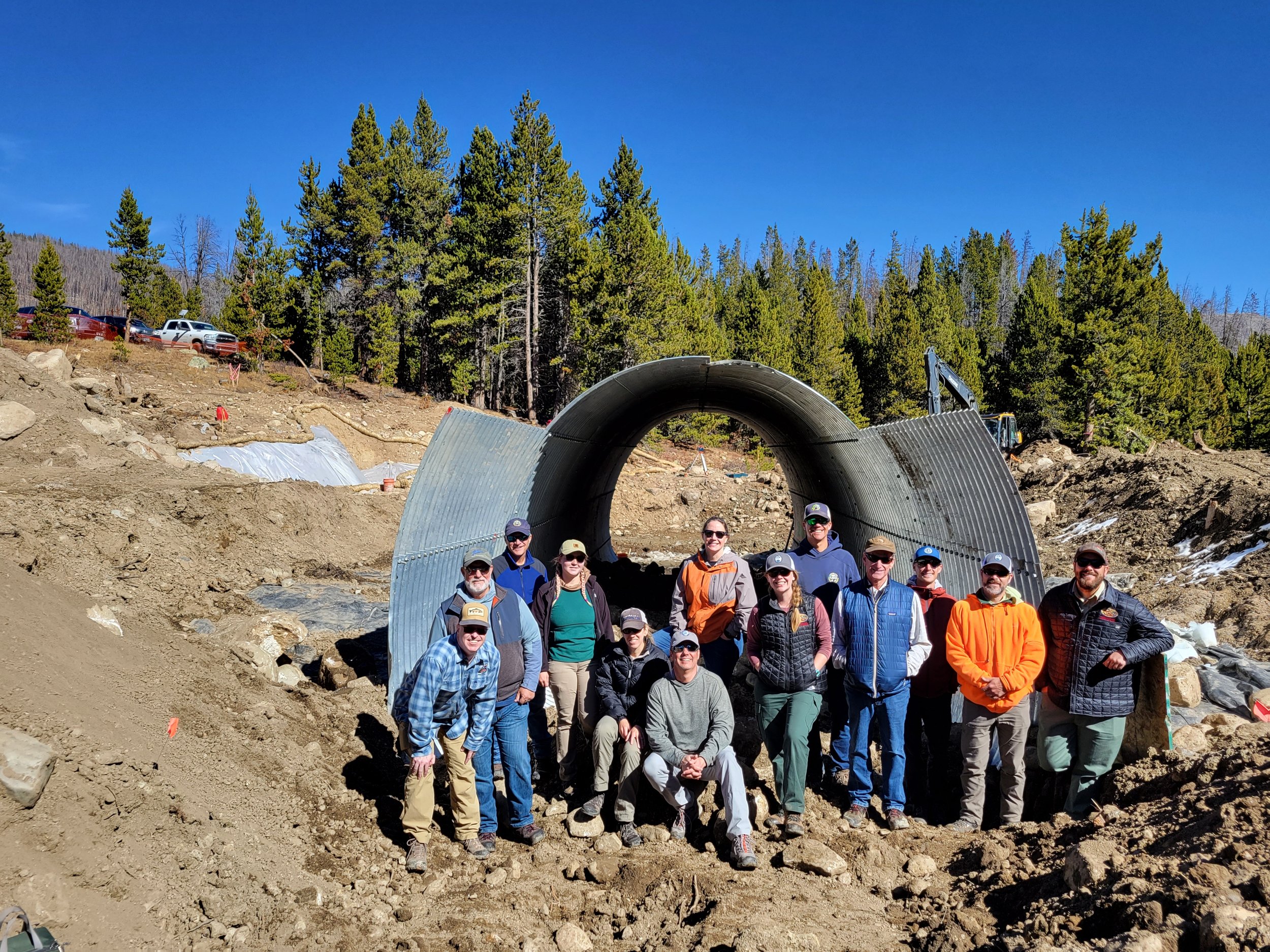
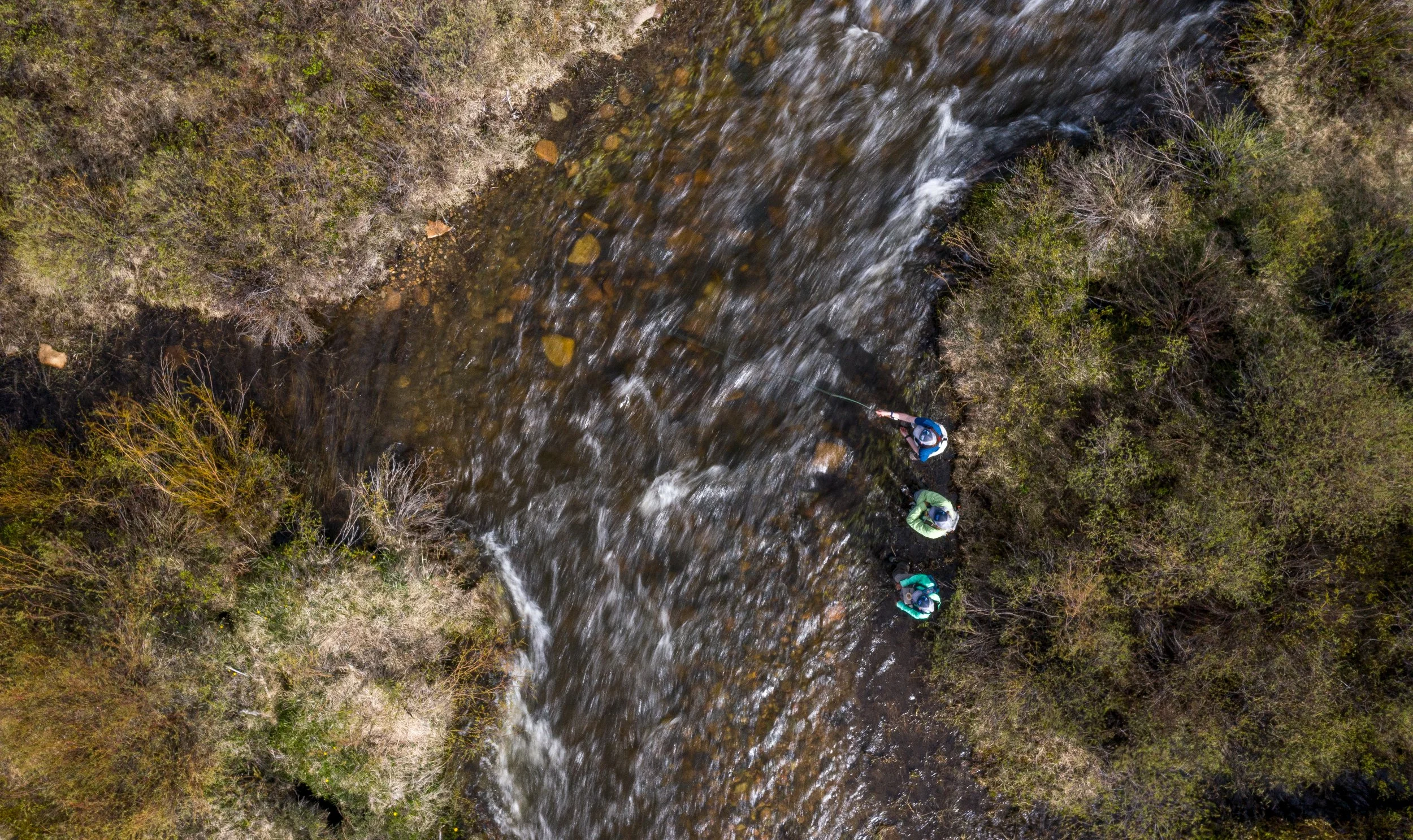
Earlier this week, Colorado TU staff and Rocky Mountain Flycasters Chapter volunteers joined Forest Service representatives and our partners from Colorado Parks and Wildlife and Ross Reels on a site visit to see past and ongoing work as part of the Poudre Headwaters Project, the largest native trout restoration project in Colorado history. The group first visited the largely completed fish barrier on the Grand Ditch at La Poudre Pass, helping isolate the planned recovery waters for Greenback cutthroat trout on the east slope from the west slope drainages intersected by the Grand Ditch. From there, we stopped briefly at a road crossing with an undersized and not fish-friendly culvert along Neota Creek, which we hope to collaborate with the Forest Service to replace with an improved fish passage structure in 2024 or 2025.
The group next visited the active construction site where work is underway on installing a unique combination fish passage/temporary fish barrier project on Corral Creek. The barrier will help temporarily isolate habitat in Corral Creek for restoration of native trout and then later removed to restore connectivity with adjacent waters once they recovered for Greenbacks. An undersized culvert is being installed with a much larger culvert for the road crossing – large enough to have a simulated stream bottom constructed within the culvert so that fish can move freely up and downstream through the culvert just as if they were moving through the natural stream channel. At the mouth of the culvert, a steel wall barrier will be placed that can then isolate the upstream habitat temporarily but be readily removed in the future when habitats are reconnected as part of the planned Greenback “metapopulation” spread across multiple Cache la Poudre river tributaries.
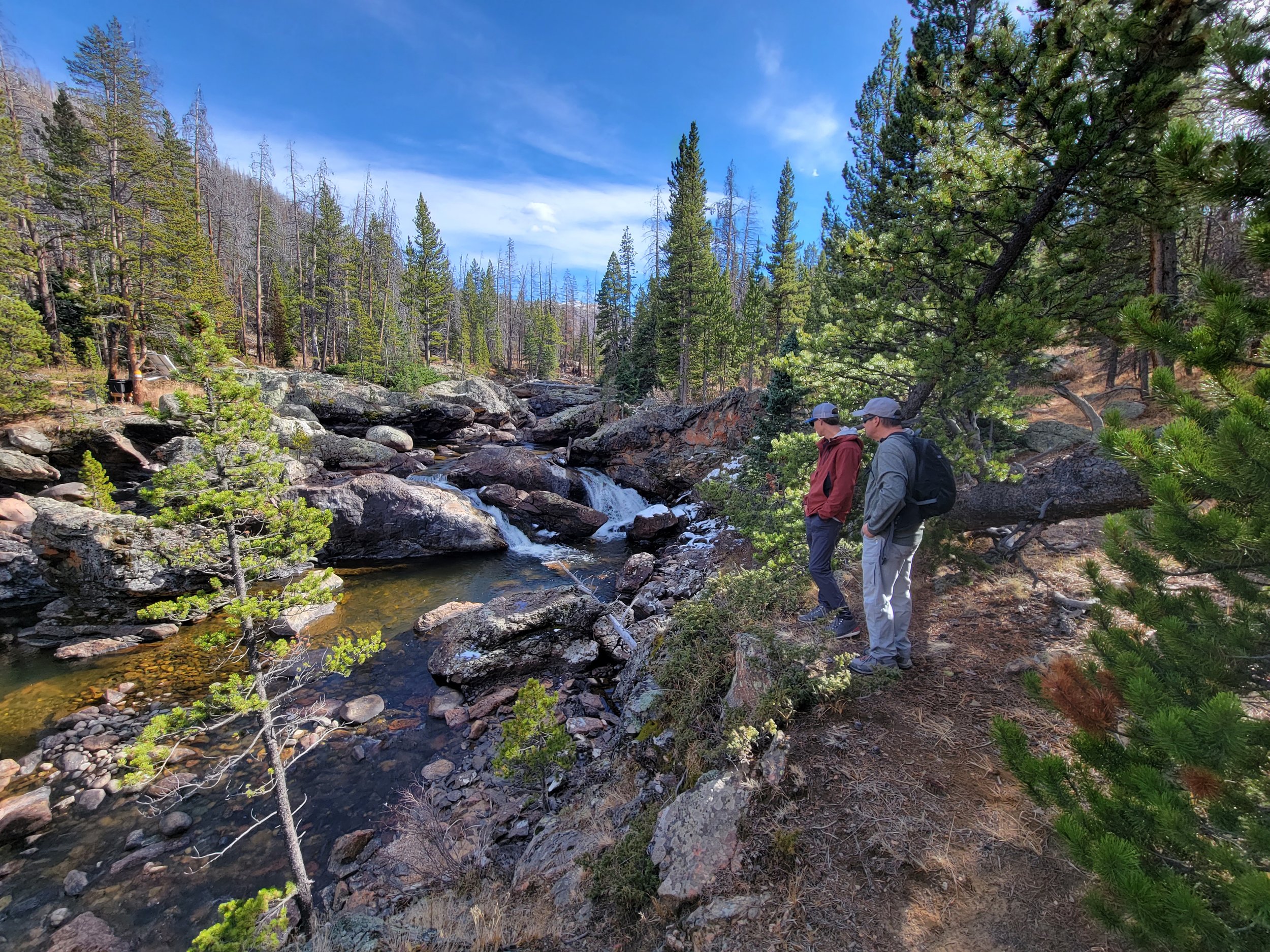
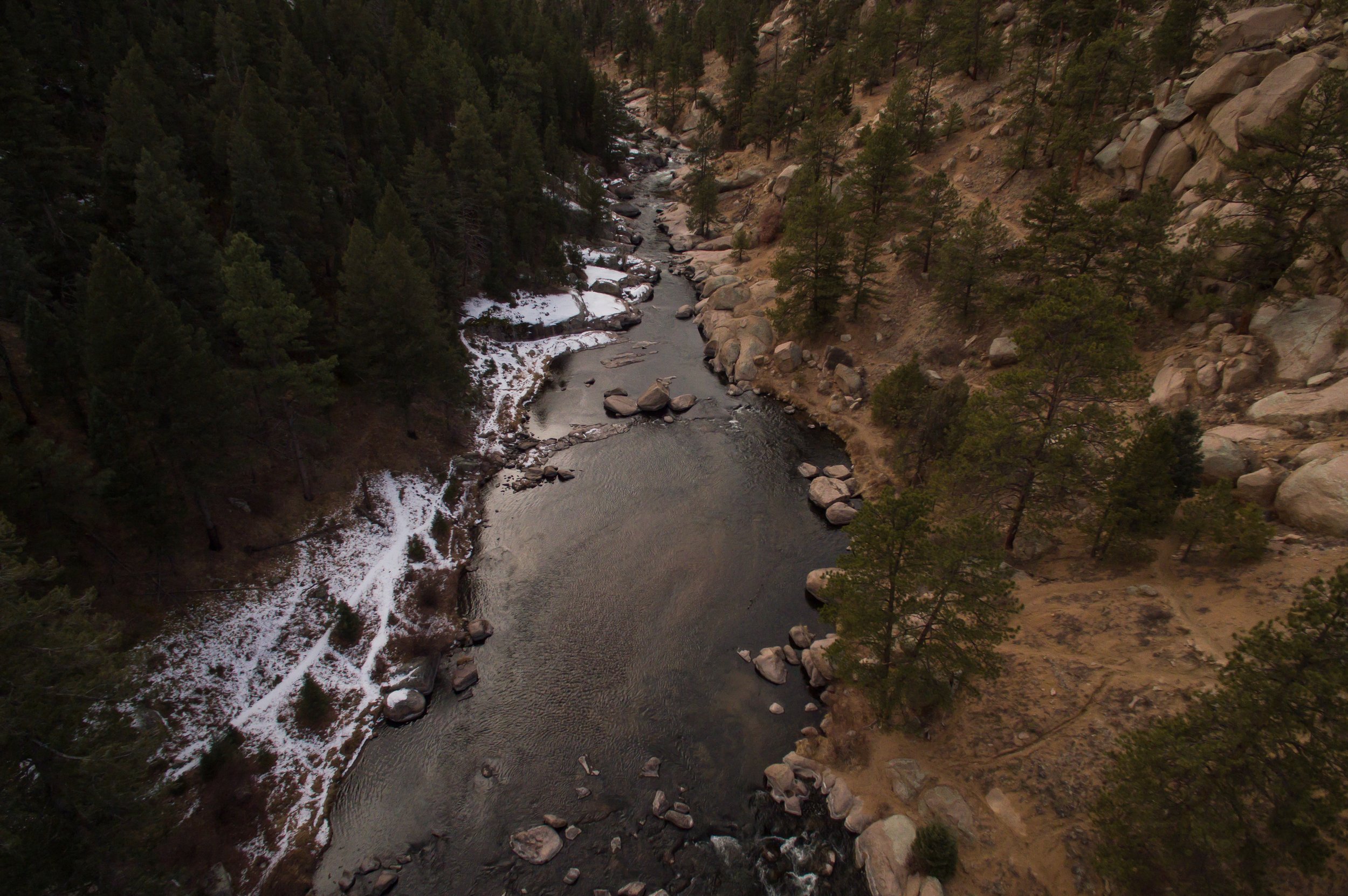
Finally, we hiked to the expected downstream permanent barrier that will be the lowest point in the restoration area – a waterfall nicknamed “Starter Fluid” by expert kayakers who float the river. Located just below the confluence of the mainstem Poudre and La Poudre Pass Creek and about 11 miles up from where the “Big South” portion of the Poudre reaches Highway 14 and begins down to the more easily accessed Poudre Canyon runs, this cascade already blocks fish under most flow conditions and with some modest adjustments could be modified into a fully-effective fish barrier. Work on design concepts for further analysis and refinement is underway.
Work on the Poudre Headwaters Project has been a product of collaboration among TU, the Forest Service, National Park Service, and Colorado Parks and Wildlife, and has also benefited through support from:
The Water Supply and Storage Company, which provided funds in a Trust as mitigation for their Long Draw Reservoir permits
Ross Reels through their Native Reel program with proceeds from the Greenback reel
The Colorado Water Conservation Board, through Colorado Water Plan grant support
Bass Pro Shops Outdoor Fund
U.S. Fish and Wildlife Service fish passage program
Colorado State University and the Colorado School of Mines, through applied research and design efforts in support of the project
The Western Native Trout Initiative

Colorado Parks and Wildlife Announces Closure on Arkansas River Near Salida
CPW announces closure on Arkansas River near Salida to allow dam removal

Colorado Parks & Wildlife
SALIDA, Colo. – Colorado Parks and Wildlife is closing a short segment of the Arkansas River beginning Oct. 23 to facilitate removal of a low-head dam located 1.5 miles upstream from the Mount Shavano State Fish Hatchery.
The closure will be in place from the Chaffee County Road 166 Bridge to the Salida Boat Ramp.
The dam was first built around 1956 to collect water for the hatchery downstream and then rebuilt in 1988 with an adjacent boat ramp.
Removing the dam will benefit the Gold Medal river’s fish – brown trout, rainbow trout and native white suckers – by opening about 85 miles of river upstream to fish migration. Barriers like the dam limit genetic diversity by essentially dividing the population into two segments.
The ability of fish to move freely in a river also helps to prevent overpopulation by balancing the amount of habitat and forage with the number of fish it can support.
In addition, removal will eliminate a deadly threat to the thousands who boat on the Arkansas River each year. Water spilling over the dam churns at the bottom, creating a powerful suction that can capsize and trap boaters or swimmers.
“Removing this low-head dam will eliminate a significant safety concern for instream recreationists and will re-establish critical connectivity for aquatic species in the Arkansas River,” said April Estep, deputy regional manager of CPW’s Southeast Region. “CPW is excited to complete this important project and grateful to our partners, including the Chaffee County Board of County Commissioners, which provided $100,000 toward the $1.1 million removal effort.”
During the six-week closure, signs at access points will direct boaters, rafters and others traveling instream how to avoid the construction. River users are encouraged to CPW’s Salida-based Arkansas Headwaters Recreation Area (AHRA) at 719-539-7289 for updates.
"This is a very popular stretch of water,” said Tom Waters, park manager for the AHRA, which encompasses 152 miles of the Arkansas River from Leadville to Pueblo. “It’s exciting to be reopening the river so that aquatic species that live in the river can again move freely up and down the river corridor.
“Even more important, it will provide safer passage for recreational users in this popular stretch of river. The environment, the river enthusiasts and the community will benefit from the removal of this low-head dam.”
The dam has not been used as a water supply for the fish hatchery since 2000 after whirling disease was detected in the Arkansas River a few years earlier. Whirling disease is caused by a parasite that infects rainbow trout, leaving them deformed and swimming in circles before it quickly kills the youngest fish. CPW spent $1.5 million at the hatchery to convert it to clean spring water to raise its fish.
Learn About Our New CTU STREAM Program Opportunities
We are excited to expand our STREAM Program offerings into a spectrum of river conservation, outdoor exploration, and angling STREAM programs. Traditionally CTU has been successful in hosting several STREAM Girl and STREAM Keeper program and we now have the ability to expand, adapt, and create unique STREAM programs to fit your TU Chapter area, Partner Organization, age demographic, diverse audience, and community. Check out our updated web pages below and our new program resources page.

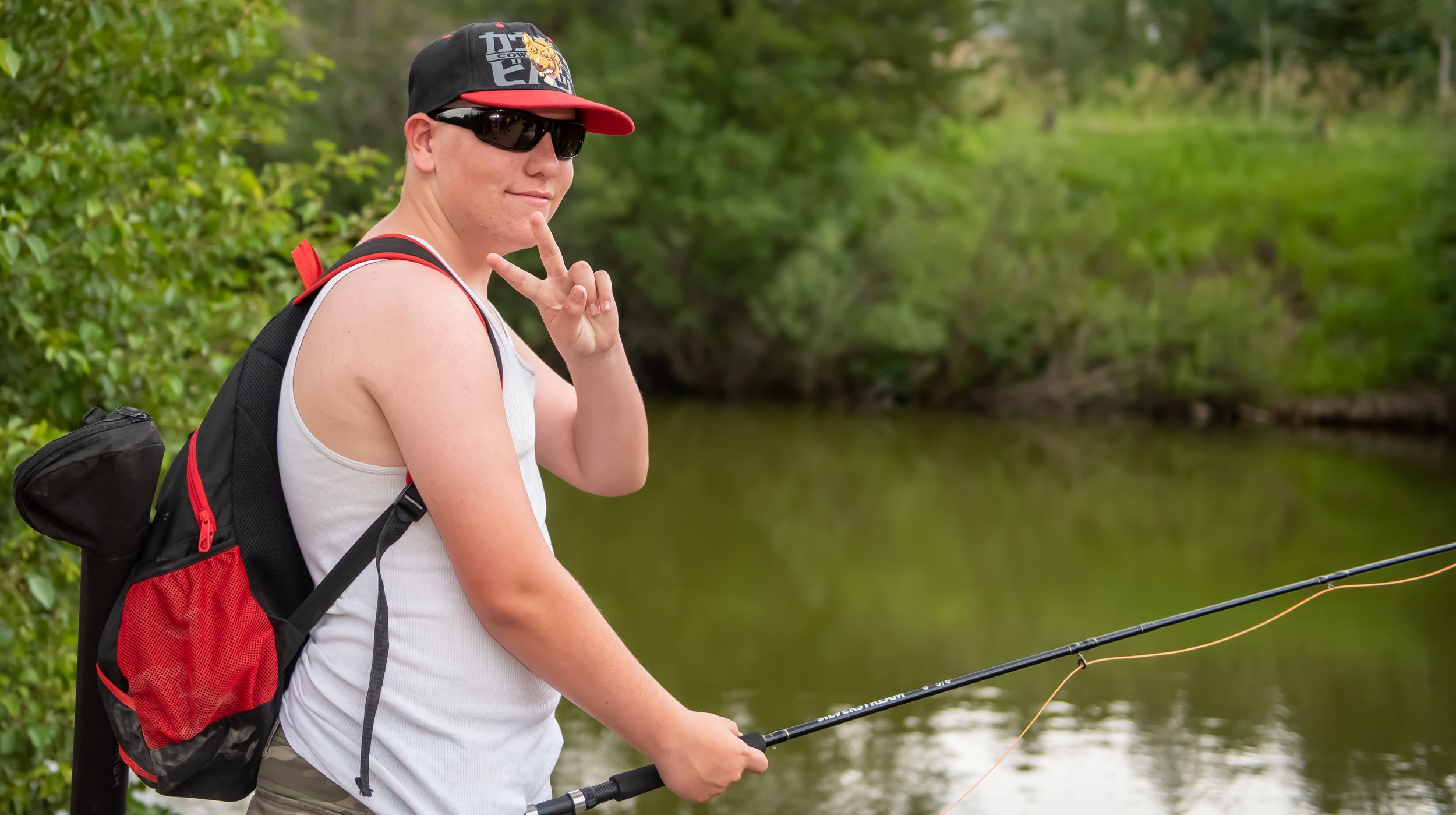
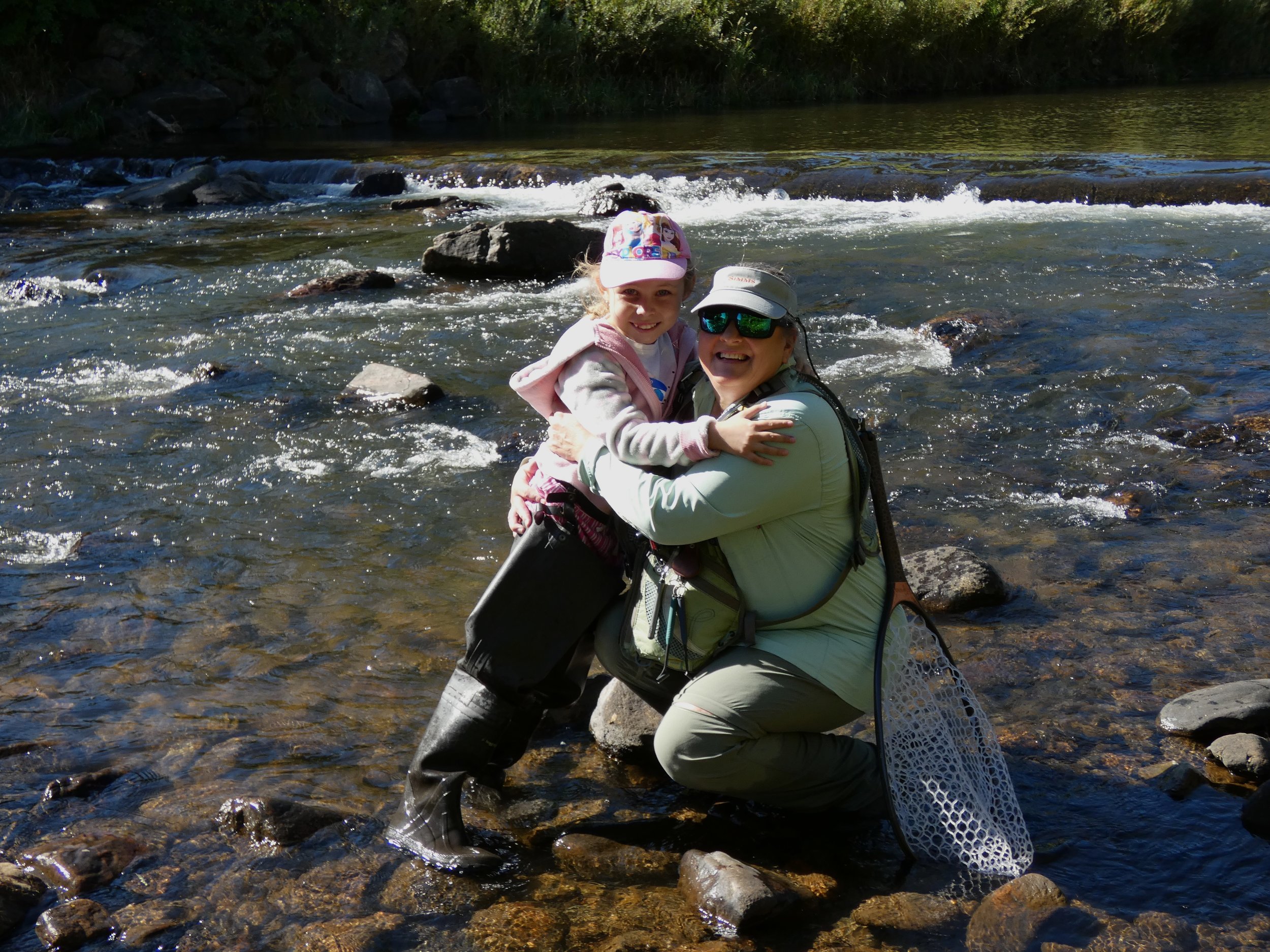

We are also offering a STREAM Programs Rendezvous session on Saturday, Oct. 21st at 4 pm in Glenwood Springs on the Colorado River! Click here for more information about this session and others at our upcoming CTU Rendezvous.
The New Fall Issue of High Country Angler is Live!

Your new Fall 2023 issue of High Country Angler is here!
Check out the Fall 2023 issue of High Country Angler e-zine, including these stories:
· Landon Mayer looks back on the 8th annual Clean the Dream;
· Brian LaRue looks at Muddy Creek, a tributary to the Colorado River with What's in a Name Anyway?;
· Colorado TU Staff celebrates the 2nd annual Troutfest Colorado with a Photo Essay;
· Hayden Mellsop with Another Tough Day on the River;
· Colorado TU Staff with New Hope for Colorado River Protection from Oil Trains;
· Peter Stitcher with What You Need, the River Will Become;
· Other columns by CTU Staff, Mark Shulman, Joel Evans and the Old Professor!
Be sure to see information for the CTU Fall Rendezvous in Glenwood Springs!
September 2023 Currents
THIS MONTHS ISSUE OF CURRENTS FEATURES 2023 Rendezvous, Colorado CX3 Awards, Eleven Mile Canyon Diversion Dam Removal Update, and more!
Eleven Mile Canyon Diversion Dam Removal Update
On Tuesday, August 29th, members of the Pikes Peak chapter attended a site visit for stakeholders of the Eleven Mile Canyon Diversion Dam Removal project. Partners include the Coalition for the Upper South Platte, US Forest Service, Colorado Springs Utilities, Park County, Colorado Parks and Wildlife, and FlyWater, Inc.
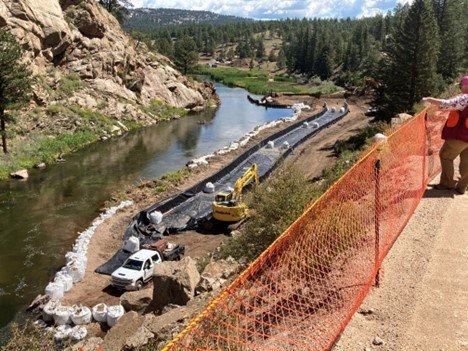
The project is on track to completely remove the dam by the end of the year. All remaining work, including the parking lot, restrooms, trails, revegetation, and a new pay station, is scheduled for spring 2024.
The project follows several steps for removing the dam structure, which include:
Creating a channel around the diversion dam to route water during removal
Rerouting the river into the newly created channel
Removing and storing dry sediment behind the diversion dam to be used as fill later in the project
Demolishing the main diversion dam structure down to the original channel
Rerouting the river into the newly restored channel

The clear channel around the diversion dam has been created, and engineers are beginning to reroute the river. They have installed two bridges over the channel to transport heavy equipment to the original channel. A rock weir has been created below the dam to help contain any sediment, and a boom is set up across the channel to contain any accidental petroleum spill. In addition, a French drain has been created to capture seepage from the river and route it back into the channel below the dam via a notch cut in the dam.
The clear channel was designed to handle flows up to 300 cfs, but the current protocol calls for a maximum flow of 150 cfs in case of significant rain events. Additionally, sediment behind the dam is being tested for toxins and will continue to be tested as the dam is removed.

Before the diversion dam removal, USFS and CPW will perform a fish salvage near the dam. After removing the dam structure and restoring the original channel, the old parking lot will be revamped with new restrooms. An ADA trail with additional fishing access is also planned. The temporary clear channel and bridges will be removed, and all the disturbed areas will be restored and revegetated with willows and other native plants.
Colorado Awards at Trout Unlimited's CX3 National Meeting

The national CX3 meeting takes place in Spokane, Washington September 27th - October 1st and will feature two Colorado awards. First, the Gold Trout award for chapter of the year goes to Rocky Mountain Flycasters in northern Colorado. The Rocky Mountain Flycasters Chapter takes innovative and thoughtful approaches to building community and advancing Trout Unlimited’s mission. The creativity, dedication and commitment of the chapter’s leaders has resulted in a high-functioning organization that serves its community and state, engendering community involvement, inclusion and conservation advances.

Despite facing numerous challenges, including wildfires and flooding, the chapter’s leaders have shown exceptional creativity and commitment. They have formed coalitions with stakeholders, agencies, and nonprofits to address post-fire and post-flood actions, becoming a model for Northern Colorado Basins. The chapter’s involvement in the Big Thompson Watershed Coalition and the Coalition for the Poudre River Watershed has allowed them to actively engage in restoration and education programs. RMF’s flagship conservation program, the Poudre Headwaters Native Cutthroat Restoration Project, focuses on reintroducing the threatened Greenback Cutthroat Trout into over 38 miles of streams in the region. They collaborate closely with Colorado Parks and Wildlife, the US Forest Service and the National Park Service to achieve this goal while also involving volunteers in field work, community science and monitoring.
RMF excels in communication and outreach efforts, utilizing various platforms to engage a broad audience. They have upgraded their website and integrated it with social media platforms, allowing them to effectively communicate with a big and diverse group of anglers and coldwater conservationists. A monthly newsletter is shared via email, Facebook, and Instagram, and their events calendar serves as a hub for coldwater conservation and education opportunities, linking events with fly shops, partner organizations, other TU chapters, and agency partners. RMF’s community engagement spans multiple levels, including participation in community-wide festivals and events, providing classes for underrepresented communities, organizing chapter events and establishing partnerships with local businesses.
RMF actively cultivates future leaders through a robust leadership development program. Their commitment to diversity is exemplified by the inclusion of a CSU Fisheries student and a CSU Costa 5 Rivers Club member on their board. The chapter fosters a culture of gratitude through annual volunteer recognition events, acknowledging the outstanding work of their volunteers and promoting a path from volunteering to leadership. Through innovative fundraising strategies, including sustaining donors, corporate sponsorships, grants and community activities, RMF ensures the financial sustainability of their programs.
This chapter’s continuous growth, effective leadership and impactful initiatives make them an exceptional choice for TU’s highest award for chapters, the Gold Trout Chapter Award.

In addition, Dick Shinton of St. Vrain Anglers chapter will be presented the Distinguished Service in Youth Education award. Dick Shinton’s dedication to Youth Education has had a profound and lasting impact on his local chapter, state council, and hundreds of young people throughout Colorado. As a longstanding volunteer and leader of the Colorado River Conservation and Fly Fishing Camp for teens, Dick has been instrumental in shaping the program for 15 of its 18 years of existence. He fully embodies Trout Unlimited’s values and recognizes that engaging youth from diverse backgrounds is crucial to the sustainability of TU’s mission.
Dick’s contributions to the camp go beyond being a counselor and co-director. He invests numerous hours each year in planning and executing the program, ensuring a balanced focus on conservation awareness and fly-fishing skills. Drawing on his experience as a retired Human Resources manager, Dick creates a welcoming and supportive environment for both youth and fellow volunteers. His mentoring of youth counselors and dedication to their leadership development exemplify his commitment to fostering lifelong relationships.
In addition to his involvement with the Camp, Dick has played an integral role within the St. Vrain Anglers Chapter of TU. Since 2007, he has served on the board and held various positions, including Treasurer and Youth Education Chair. His visionary leadership led to the establishment of the Kids Learn to Fly Fish program, which has engaged young people aged eight to 13 in fly fishing and stream conservation. The program, delivered annually over six sessions, has attracted over 150 participants and garnered significant volunteer support. Dick’s proactive approach in connecting engagement programs, such as Kids Learn to Fly Fish and the State Council teen camp, has paved the way for youth to become lifelong leaders within TU.
Dick consistently volunteers for various TU projects at both the chapter and council levels, sharing his knowledge and passion for TU’s mission. His exemplary dedication and partnership have inspired others to engage with youth and become advocates for coldwater fisheries. Dick Shinton’s leadership, mentorship and tireless commitment embody the spirit of TU and make him incredibly deserving of the Distinguished Service for Youth Education award.
Fishing The Good Fight's Green Line Festival

Join Fishing the Good Fight this Saturday, September 9th from 2pm to 8pm at the Breckenridge Brewery's Barbox (Aspen Grove Littleton, CO) to enjoy some great music, increase awareness around mental health resources in the community and raise funds for Fishing the Good Fight. The festival includes an epic Silent Auction, booths from our Mental Health Partners, food trucks, and activities for the entire family.
Tickets are not required to attend, however, they would really appreciate the support! Proceeds go directly to support Fishing the Good Fight programs, which includes mental health retreats and financial assistance for men who cannot afford the cost of therapy.