Be a pain in the ANS

Be a pain in the ANS; New gear and watercraft cleaning stations available as the fight against aquatic nuisance species continues

CPW continues fight against aquatic nuisance species in Colorado’s lakes and reservoirs; provides ANS media kit


DENVER — The fight continues for Colorado Parks and Wildlife (CPW) as Aquatic Nuisance Species (ANS) staff work to keep invasive species from spreading in the state’s lakes and reservoirs. This year, CPW announces new gear and watercraft cleaning stations available in key locations across the state. 

“As the challenge of protecting the state’s waters and infrastructure from aquatic nuisance species continues to grow, CPW is leading the charge against these destructive species,” said Robert Walters, CPW’s ANS program manager. “As the spring season approaches, we ask for help from both the boating and water-based recreation communities to combat invasive species in the state.”

Colorado’s ANS inspectors were busy in 2024 with staff conducting 463,710 inspections and decontaminating 32,584 boats suspected of carrying mussels, other aquatic invasive species or standing water. 

In 2024, CPW intercepted 110 boats carrying invasive mussels. Mussels are destructive to aquatic habitat, can seriously damage reservoir infrastructure and cause problems on boats.

Contaminated boats usually come into Colorado from neighboring states, especially Utah and Arizona because of our proximity to Lake Powell, which has been mussel-infested for years. Other neighboring states with mussel infestations include Kansas, Nebraska, Oklahoma, Texas and South Dakota. Most Midwestern and East Coast states also have infested waters.

Boats aren’t the only source of ANS entering the state. Equipment that gets wet, such as waders and boots, can also transport aquatic species. To make the fight against ANS easier, CPW has been adding new gear and watercraft cleaning stations in key locations around the state. The public is encouraged to use these stations to decontaminate their gear and protect Colorado’s waters. 

About the ANS Program
The Colorado ANS Program was authorized by the Colorado Legislature in 2008 utilizing severance tax funds and in 2018 the Colorado General Assembly provided funding to the program through SB17-259, funding the program through boating registration fees from residents and nonresidents. 

Since CPW’s ANS inspection program started in 2008, 7.4 million boats have been inspected and 265,882 boats have been decontaminated. The agency is aided in the program by Colorado counties, municipalities, water districts, federal agencies and private companies that also conduct inspections. CPW also works proactively, looking for aquatic nuisance species by sampling waters throughout the state. In 2024, CPW crews sampled 209 standing waters and 26 flowing waters; these intense sampling efforts resulted in the early detection of zebra mussel veligers in the Colorado River and emphasize the importance of this program.

CPW has also been instrumental in establishing the Water Inspection and Decontamination (WID) protocols, which are now used by states nationwide. Agency staff are also active with the Western Regional Panel on Aquatic Nuisance Species Watercraft Inspection and Decontamination Committee.

Walters said that CPW will always remain vigilant in the fight against mussels.

“Mussels aren’t going away. However, by continuing our preventative watercraft inspection program Colorado can continue to set an example in the West and keep our waters clear of highly destructive invasive species.”

Roadside Watercraft Inspection and Decontamination Stations (WIDs)
In 2021, Colorado Legislature passed House Bill 21-1226, which authorized CPW to implement a pilot roadside watercraft inspection and decontamination program. This pilot program was highly successful and in 2024 CPW began the long-term implementation of this program at the Loma and Trinidad Ports of Entry.

In year one of this program, 41 watercraft were intercepted at these two Port of Entry locations. With the success of this program, CPW is expanding this program in 2025 to include longer operational hours and two new stations at the west bound Ft. Morgan and Limon Ports of Entry.

Boaters are reminded that if they are traveling with a motorized or trailered watercraft and encounter one of these check stations, they will be required to stop for an inspection.
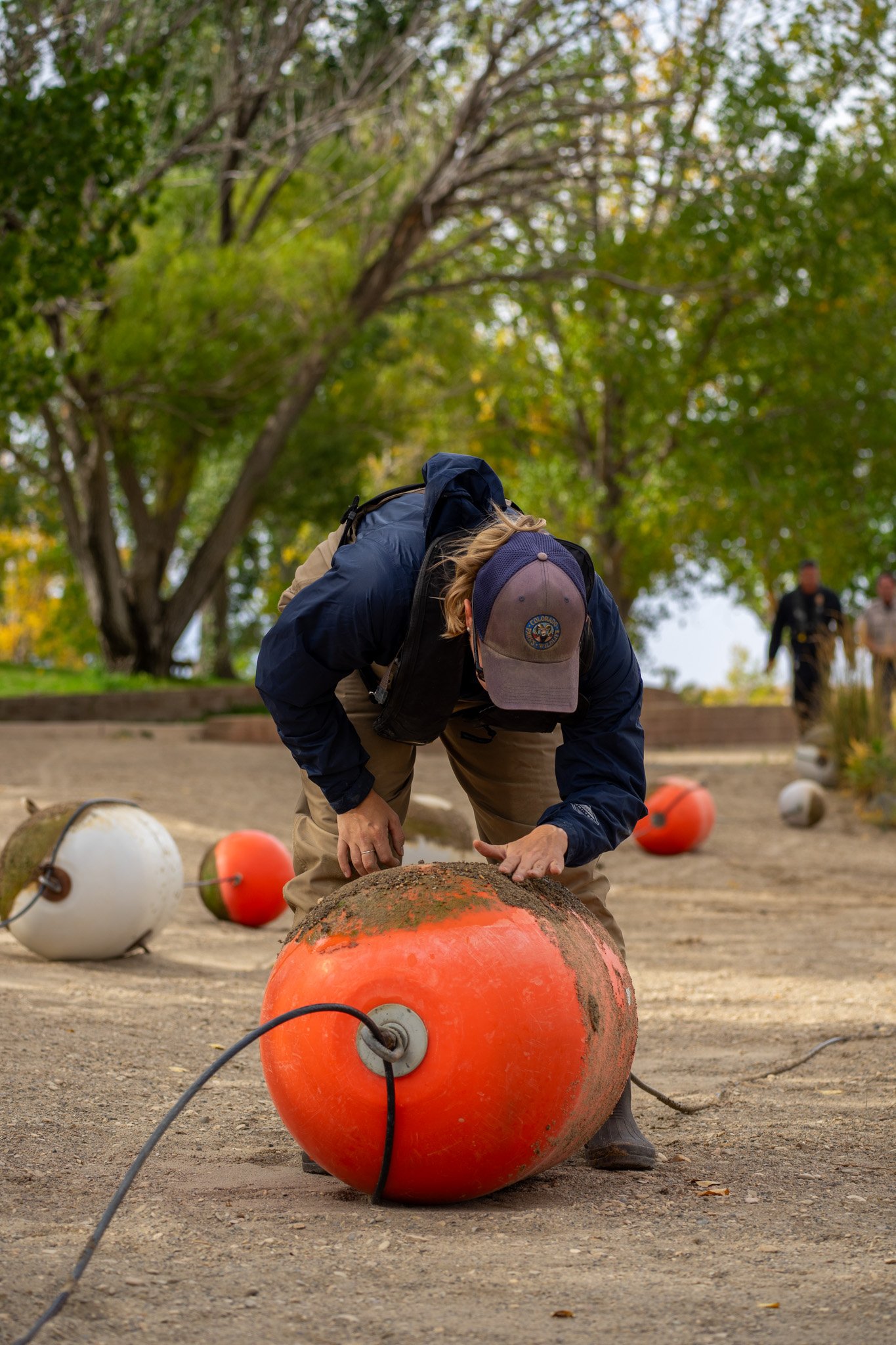
What can boaters do to help prevent the spread of aquatic nuisance species?
Boat owners should “clean, drain and dry” boats after every use and utilize the green-seal program when entering and leaving a body of water. Boaters should also inspect their trailers and look in hard-to-reach spots on boats and engines for evidence of mussels. Anyone who has used a boat in waters outside of Colorado is obligated to tell boat inspectors. Boat owners can also call any state park or wildlife office if they have questions, concerns or would like information on scheduling an off-water inspection/decontamination.

All ballast boats, inboard and inboard/outboard engines, must have a green seal between launches or decontamination may take place prior to launching. Boaters are encouraged to inspect their boat between every use and make sure it is clean, drained and dry.

The State of Colorado requires boats to be professionally inspected if:

  • A boat has been in any body of water that is positive, or suspected for ANS

  • A boat has been in any body of water outside of Colorado

  • A boat will be entering any water body where inspections are required

  • A boat encounters an aquatic nuisance species check station

Tips for a speedy inspection
Boaters must stop for an inspection when entering and exiting most bodies of water in Colorado. Stricter inspection requirements exist when taking a vessel from one body of water to another. To encourage a speedy inspection process, boaters are encouraged to:

  • Keep your green exit seal attached to your vessel and trailer. This seal tells inspectors what body of water the vessel was in last.

  • Have your paper exit slip (blue or white) readily available. This slip tells inspectors details from your previous exit inspection that can speed up the process. 

  • Open/drain all compartment hatches like: live/bait wells, bilge areas, anchor compartments, equipment compartments and any other compartments that hold items that could have come into contact with water. Have the anchor and ropes out of their compartments for inspection.

  • If you know the next body of water you are going to will require a decontamination procedure, request a decontamination during the exit inspection so you can get onto your next boating adventure more quickly. 

Visit our website for more information about aquatic nuisance species and CPW’s ANS program and the boat inspection process

Be a Pain in the ANS: Clean, Drain and Dry your vessels and fishing gear
Everyone has a part to play in preventing the introduction and spread of invasive species in Colorado, even those who recreate on Colorado’s waters with non-motorized watercraft. Simple actions — like cleaning, draining and drying paddleboards and kayaks — can significantly protect Colorado's waters. 

Anglers are also encouraged to keep their angling gear free of mud and plants between each and every use. By cleaning, draining and drying your angling gear, you can prevent unknowingly moving a species from one body of water to another, even within different stretches of the same river, causing a domino effect of invasion with irreversible ecological damage.

Learn more about how to prevent the spread of aquatic nuisance species and tips to properly clean, drain and dry your boating and fishing gear by visiting our website. Tips for anglers and a map of CPW’s new gear and watercraft cleaning stations is available here.

Media Kit
Use CPW’s Aquatic Nuisance Species Media Kit to find helpful resources for preparing social media posts, newsletter content, stories and educating the public about keeping harmful ANS invaders from spreading across Colorado. The Media Kit contains the following information:

  • “Be a Pain in the ANS” creative campaign materials to share.

  • How to be a pain in the ANS - start here for links to this year’s campaign materials

  • A variety of ANS photos and video including check stations, inspection and decontamination processes and invasive species

  • ANS Fact Sheets

  • ANS green seal program 

  • State of Colorado Aquatic Nuisance Species Management Plan

  • A variety of public information materials provided to boaters
 

New Opportunity for Mine Waste Removal

An important new bill is advancing at the Colorado legislature that will complement existing nonprofit “Good Samaritan” mine reclamation projects and benefit Colorado’s watersheds.  SB-054, a bipartisan measure sponsored by Senators Simpson and Bridges and Representatives McCormick and Martinez, has passed the Senate and yesterday passed on a unanimous vote from the House Agriculture and Natural Resources Committee.

SB-054 will create a new streamlined permitting process for reclamation-only projects, where a mining company can remove existing waste rock piles from an abandoned mine site, transport it to a permitted milling site, and process it to extract potentially marketable metals. Importantly, while the permitting process is significantly streamlined from those for a new mining site that would be excavating additional rock, the Division of Reclamation Mining and Safety (DRMS) requirements for these reclamation-only permits still include requirements for environmental protection and reclamation plans, providing a solid foundation to ensure the sites will be appropriately managed and reclaimed after the waste rock is removed.

Trout Unlimited has been actively involved in waste rock removal projects for decades, and have seen firsthand how those efforts can benefit watershed health and water quality. By removing these sources of non-point pollution, we can improve the health of downstream waters as well as on-site habitat.

SB-054 creates a new means to engage the private sector in this work, by creating a streamlined permitting process for removal and economic use of waste rock, followed by effective site reclamation. CTU Executive Director David Nickum said in testimony to the House Ag Committee, “With more than 23,000 abandoned mine features across the state, there is a significant need for reclamation far beyond what TU, other nonprofits, or DRMS itself can tackle. Creating opportunities and incentives for mining companies to contribute to those efforts makes good sense.”  The reclamation-only permits also offer an environmentally-benign opportunity to obtain useful metals that were left behind from miners of generations past.

TU is grateful to DRMS and to the bill sponsors for their efforts to expand the community of partners in waste rock reclamation projects!

Connecting with the Community: Colorado Trout Unlimited Trout in the Classroom Program

The Colorado Trout Unlimited Trout in the Classroom program is more than just an educational initiative; it's a bridge that connects students, educators, and the broader community through a shared passion for aquatic ecosystems and trout conservation. One of the most impactful ways we foster this connection is through our release events, where students have the opportunity to release the trout they've raised into local waterways.

Engaging with the Community

Our release events are a celebration of learning and conservation, bringing together students from various schools to sites like the Carson Nature Center. These events are not just about releasing trout; they are enriched with additional programming that enhances the educational experience. For example, the Carson Nature Center features a portable water table that allows students to see how a river is formed and understand its effects on the local landscape. This hands-on activity helps students grasp the dynamic nature of rivers and the importance of maintaining healthy aquatic ecosystems.

Highlighting CSU Spur's Homeschool Event

A standout moment in our community engagement efforts was the recent trout release event hosted by CSU Spur. This event was particularly special as it connected us with a part of the community that doesn't have a traditional classroom setting—homeschoolers. CSU Spur's Water Education Coordinator, Stefan, led the event, where visitors helped release trout into the South Platte River behind the campus.

CSU Spur's event marked the first time they hosted a trout release on campus, making it an exciting milestone. The program aims to foster a deep appreciation for aquatic ecosystems and trout conservation among students, and releasing trout into the stretch of water by the campus was a thrilling experience for all involved. CSU Spur plans to continue these events, inviting more community members to join in future releases.

Looking Ahead

As we continue to grow and expand our Trout in the Classroom program, we remain committed to deepening our connections with the community. Future release events will continue to be inclusive, educational, and fun, providing opportunities for everyone to get involved and make a difference.

Stay tuned for more information on upcoming events and how you can participate in our efforts to conserve Colorado's aquatic ecosystems. Together, we can inspire the next generation of environmental stewards and ensure a healthy future for our trout and their habitats.


Welcome our New Director of Philanthropy, Cheyenne Johnson

Driven by a lifelong commitment to conservation and education, Cheyenne Johnson joins Colorado Trout Unlimited with almost 20 years of philanthropy experience. Born and raised in Austin, Texas, she has centered her professional career on her devotion to people, land & water conservation, environmental education, and cultural and historic preservation. Previous to Colorado Trout Unlimited, she had been a Philanthropy Officer for Colorado Open Lands and History Colorado. Johnson holds a bachelor’s degree in Geography specializing in Natural Resource Management from the University of Texas at Austin. She has held Director of Development positions at Hill Country Conservancy in Austin and the Cibolo Center for Conservation in Boerne, Texas. Additionally, she is on the Board of A Child’s Song, changing lives through music in Denver and involved with Lalmba, an organization working in rural communities in Ethiopia and Kenya to provide life-saving medical services and empowerment opportunities. She loves all things nature, live music, getting her hands in the dirt, and traveling with her partner Chad and Bernedoodle, Ernie. Cheyenne’s passion for water conservation with help from caring supporters ensures a sustainable future for generations to come. She can’t wait to meet you!

You can reach Cheyenne via email at: cheyenne.johnson@tu.org

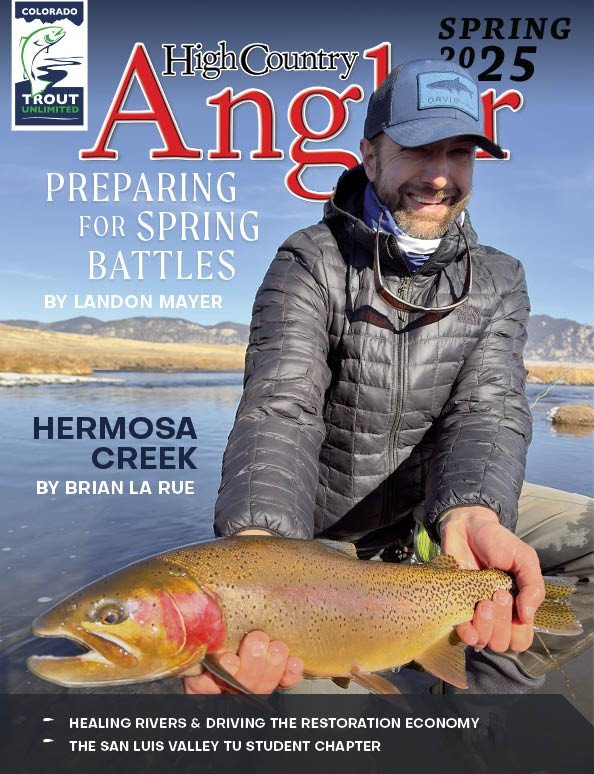
The New Spring 2025 Issue of High Country Angler is Live!

Your new Spring 2025 issue of

High Country Angler is here!

Check out the Spring 2025 issue of High Country Angler e-zine, including these stories:

· Landon Mayer with Preparing for Spring Battles;

· Brian LaRue with Hermosa Creek - A Durango Gem;

· Kevin Milder with Building a Future for Conservation;

· David Nickum with Healing Rivers & Driving the Restoration Economy;

· Peter Stitcher with How to Match the Hatch;

· Other columns by Barbara Luneau, Joel Evans, and Jack Bombardier

San Luis Valley Silent Auction

Support Conservation & Fishing Education—Join the San Luis Valley TU Online Auction!

The San Luis Valley Chapter of Trout Unlimited (SLVTU) invites supporters to participate in the annual online auction—one of the most impactful ways to support local conservation and education initiatives. Bids do not just win incredible fishing experiences and gear; they directly fund projects that preserve the pristine waters and wild trout of the Rio Grande and Conejos Rivers.

Why Support Matters Every dollar raised through the auction fuels vital programs that protect and restore local waters, particularly those supporting the native Rio Grande Cutthroat Trout. Funds help:

  • Implement conservation-improvement projects that sustain coldwater fisheries.

  • Provide hands-on environmental education in public schools and community events.

  • Offer scholarships for summer conservation camps.

  • Spread awareness about the importance of clean water and habitat preservation.

  • Bring together a passionate community dedicated to protecting cherished natural resources.

These efforts are made possible thanks to generous donors and partners, including Fishing is Fun grants, Colorado Trout Unlimited’s Gomo Grant, and National Trout Unlimited’s Embrace-a-Stream program. Conejos River Anglers Fly Shop, 8200 Mountain Sports, and their customers have significantly advanced conservation efforts through annual fishing and golf tournaments.

Incredible Auction Items—Bid Today! This year’s auction lineup includes a variety of exciting items and experiences, including:

  • Full-Day Float Trip for Two on the Rio Grande
    A guided fishing adventure on the legendary Rio Grande with SLVTU board member and Trout Unlimited employee Toby VanRy.

  • Full-Day Wade Trip for Two on Private Rio Grande Water
    Exclusive access to Off Island Ranch, a secluded section of the Rio Grande near Del Norte, CO, where anglers can fish pristine waters rarely accessed by the public.

  • Handmade Bamboo Fly Rod
    A true collector’s item, this expertly crafted bamboo rod is both a work of art and a highly functional piece of gear for any angler.

And that is just the beginning. Browse the full list of auction items and find something worth bidding on.

Help Preserve the Waters of the San Luis Valley Participation in this auction directly supports the conservation and education efforts that keep rivers healthy and the community engaged. Whether bidding on a dream fishing trip, a unique piece of gear, or simply spreading the word, every effort makes a difference.

Thank you for supporting the San Luis Valley Chapter of Trout Unlimited and its mission to protect the wild, cold waters of the region. Happy bidding!

Help Restore Federal Funding for Restoration and Rural Economic Development

Help Restore Federal Funding for Restoration and Rural Economic Development

Trout Unlimited’s restoration efforts in Colorado don’t just support the state’s working lands and waters, they are also a driving force behind rural economic growth. We’ve long recognized the importance of healthy rivers and fisheries for the outdoor recreation economy, which in Colorado generates $17.2 billion in economic activity and supports over 132,000 jobs.  TU’s projects are also generating high-quality jobs for contractors, engineers, and laborers, most of whom live and work in the very communities benefiting from these projects.

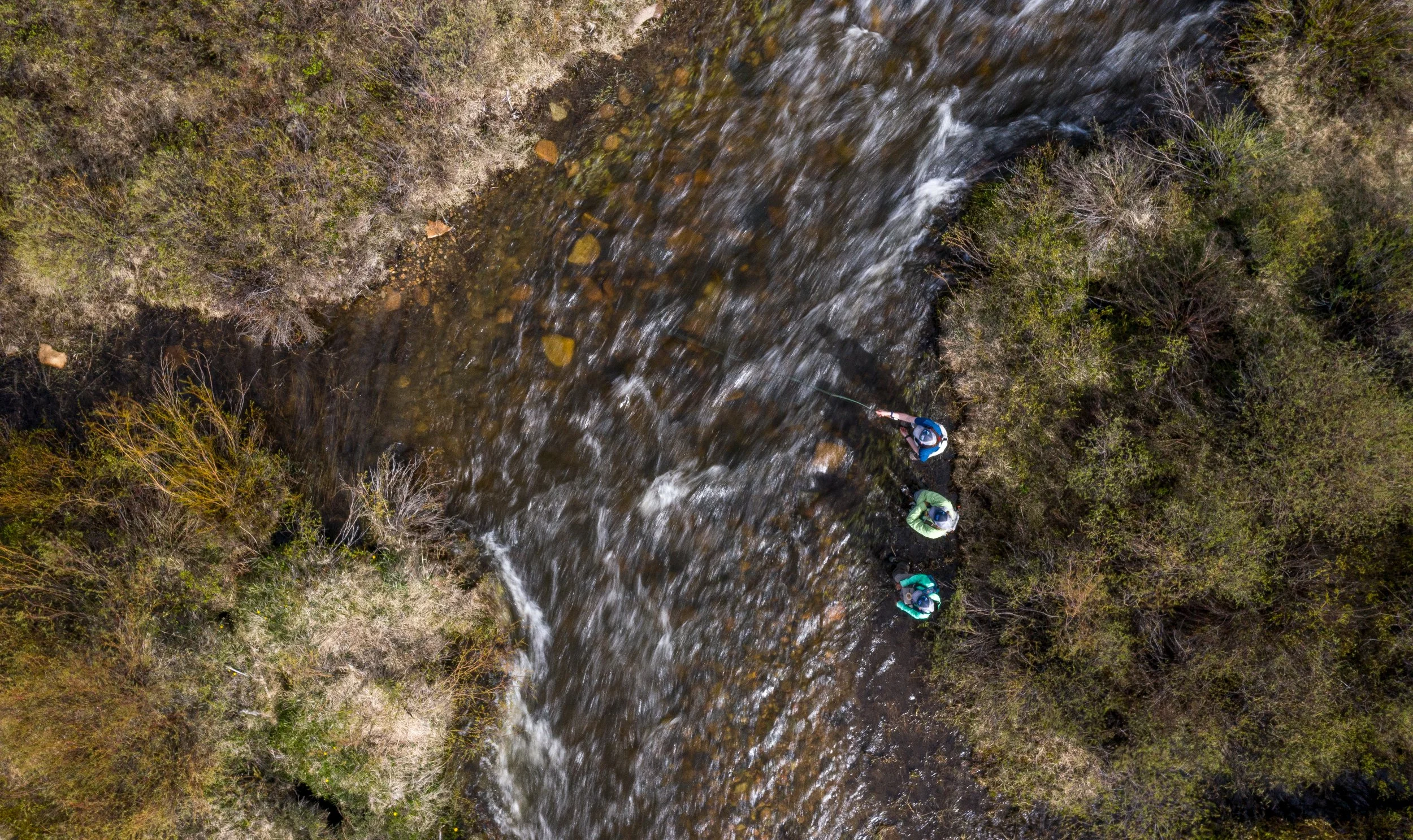
Many of TU’s efforts rely upon and help leverage federal dollars from agency partners such as the Bureau of Reclamation, US Forest Service, and the Natural Resources Conservation Service. In Colorado alone, TU is managing more than $24 million in federally-funded projects, helping support more than 250 Colorado jobs through our contractors and partners. Federal dollars are critical to conducting projects like the Colorado River Connectivity Channel (pictured) - and they are multiplied, leveraging other state, local and private sector dollars to make a difference for our waterways and local communities.

The recent pause in government funding creates financial hardships for contractors, workers, farmers, ranchers and others who depend on restoration projects for income. The negative impacts in Colorado’s rural areas are especially devastating.

Looking forward, the future of restoration funding programs is in question as Congress takes up how to approach the next federal budget year - and continued funding for agency partnership grants is critical for needed projects from protecting water in the Colorado River, to reducing wildfire risks in our forests, to modernizing infrastructure for irrigators to benefit both farms and fish.

As Congress and agencies review these federally-funded programs, we urge you to reach out to your elected officials and ask them to restore - and sustain - critical federal funding for restoration projects and the rural communities they support.

Remaining Items Still Available from the River Stewardship Gala

You can still participate in the Gala by purchasing one of a handful of remaining items at an opening bid level. Items include an African photo safari, Ross Native Series reels, a dream fishing vacation in Argentina, a spey rod and reel package, and a beautiful water-wise landscape plan for your property.