By: Jack Bombardier, Confluence Casting In many mountain towns, there is said to be a fifth season, in addition to the usual four, called Mud Season. That’s true in much of Colorado, but the Centennial State can also claim to have a sixth season, one I like to call Overlap Season. This occurs when you can fish, ski or golf within the same period of time. Overlap Season usually begins sometime in March, or can be as late as April, but this year it began in February. The snow is still deep, the fish are biting, and the fairways are greening up. Although I’m not a golfer, I do try to make the most of the skiing and fishing opportunities that I can. It’s an awesome time of year to live in Colorado, and makes me glad that thirty-one years ago to this very month, I made it my home.
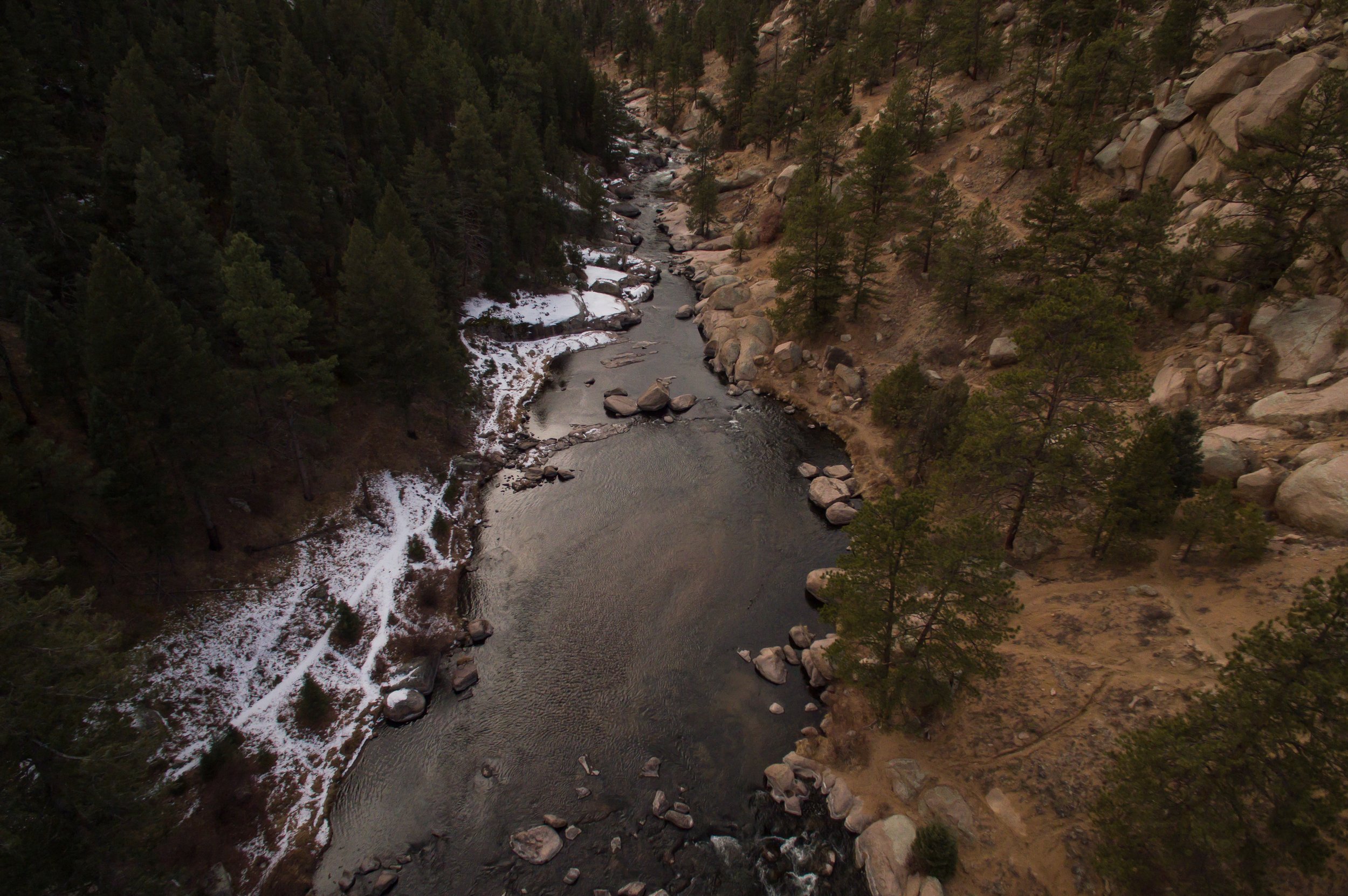
The Lower Upper Colorado River looks just gorgeous right now, low and clear and as olive as Al Pacino’s cheeks. Water temps are up to fifty degrees, and from what I’ve seen “fifty” is the magic number in the springtime. Fifty makes trout very, very happy.
But then your gaze rises above the water’s liquid allure, and up towards the mountains, where the pristine white blaze of perfect, pristine show shines like chrome. That snow beckons surely as does the river, but there’s the knowledge that the window to enjoy those perfect slopes is closing fast. To try and fool a fish?, or go carve through some aspen trees at Beaver Creek? Hope to hold a crimson striped, spawning rainbow trout I I your hand, or hop off a cornice at A-Basin and carve a turn into some wind-deposited powder? So many choices, and so short an Overlap Season to take advantage of!
How long the river will stay as perfect as it is now, on March 15th 2017, is difficult to say. With the deep snowpack we have, one would expect the water managers to start releasing water fairly soon to make room for the Big Melt. But it’s been a weird winter, one which has flipped the pattern of the past few years. For the past several winters now, we’ve had a lot of snow early in the season, and a lot in the spring, with the middle stretch of January and early February being dry and cold, without much snow. This season, it was awful early, with Vail and Beaver Creek opening late and the World Cup races at the Beav being cancelled due to lack of snow (and overnight temperatures to warm to make it). But then the snow finally came, and by the end of February we were looking at snowpack numbers we haven’t had since the epic year of 2011.
Now it’s the middle of the March, and not only has the snow pipeline shut off, but the short-term prognosis is for more warm, dry weather. What that means for fishing is that as long as the water in the reservoirs stays up there, the fishing should be great! This might be the best spring fishing since we had in the drought year of 2012, with one big difference. 2012 was a drought year and though it fished great back then, the Lower Upper was dominated by brown trout. Low water conditions that fall led to the release of 30,000 catchable-size rainbows into the river, and those rainbows and their offspring are going to be spawning this year. This spring the river has fished well, and should get even better once the bugs start moving. So if you want to make the most of Colorado’s Sixth Season, get up here soon and make sure you pack your skis and fishing gear. You can even put a golf bag in the back if you still have room! So please give me a reason to leave my old Volant Chubbs in the back of the Saab, and come fishing!
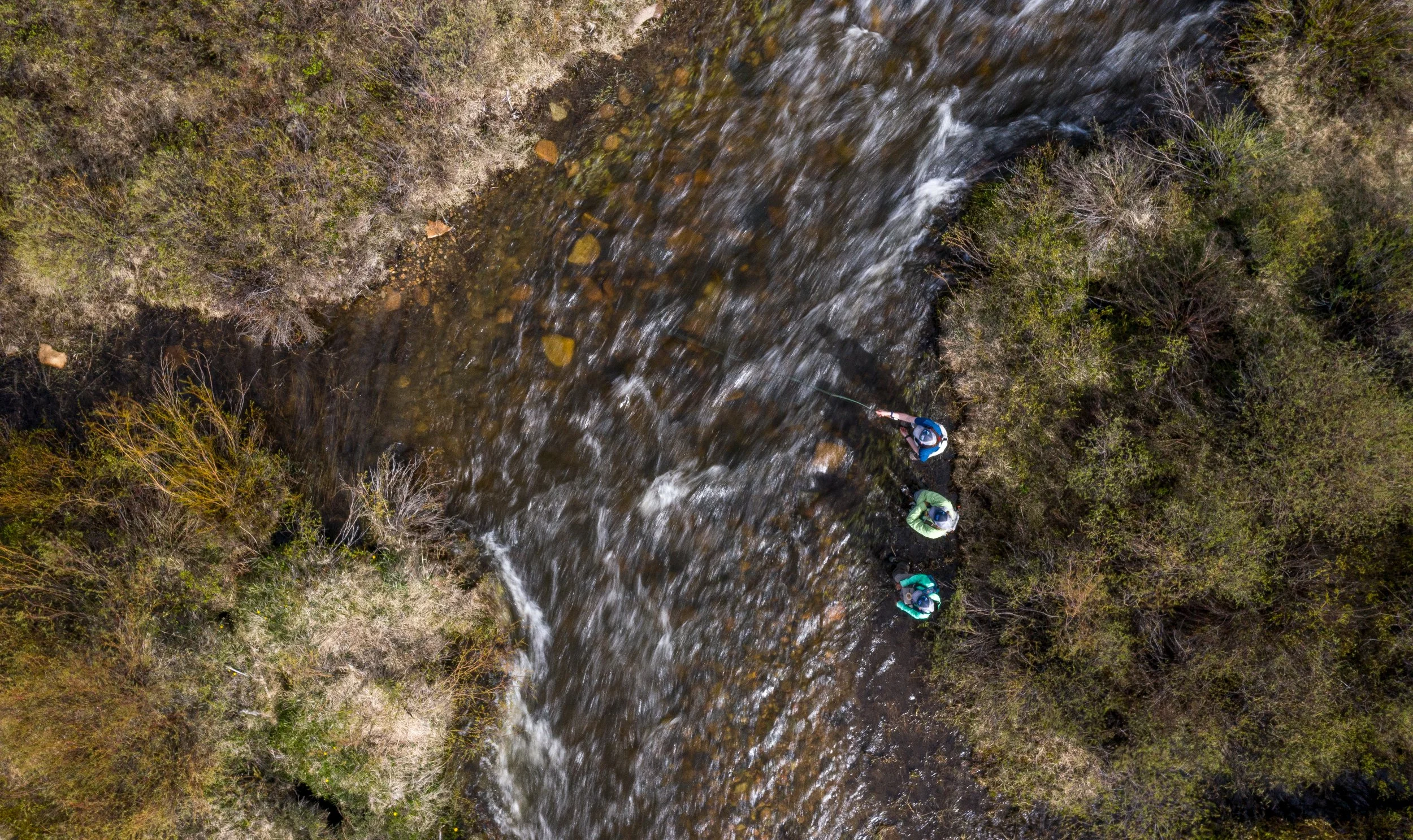
 Growing up on the dirt roads just east of Parker, Colorado, I was fortunate enough to explore the many streams and lakes that this great state has to offer. In particular, I often found myself hiking up small creeks in the Gunnison Basin in search for the pockets of eagerly-feeding brookies that never once questioned my poor presentation or choice of fly. By the time I was twelve years old, I had my own fly rod and I was hooked.
 After moving back to Gunnison in 2013, I worked with a team of fellow raft guides and conservationists to start a non-profit rafting company. River Restoration Adventures for Tomorrow (RRAFT) is a small outfitter dedicated to protecting critical watersheds through community engagement and hands-on restoration work. Over the past three seasons, our team has worked with over 400 community volunteers and youth to conduct various conservation projects on over 300 miles of riparian corridor throughout Colorado and Utah. Our trips ranged from cottonwood planting projects with Delta and Cedaredge High School youth, to overnight trips with the Adaptive Sports Center and Peace of Adventure, to 10-day surveys of invasive plant species along the Colorado River in Cataract Canyon with the National Park Service and the Southwest Conservation Corps Ancestral Lands crews. Not only were we making a difference for the rivers, we were helping to inspire and engage the next generation of stewards.
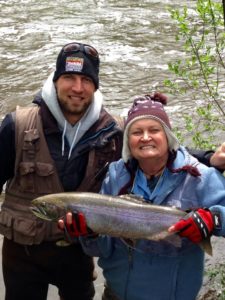 After moving South in the early 1990s I transferred to the Southern Colorado Greenback Chapter of TU. After several years, I was on the Board again, serving mainly in the capacity of Communications Chairman. I will be retiring this year, but plan on maintaining an active role in the chapter. Hubby Paul and I are Life Members, and proud of that.
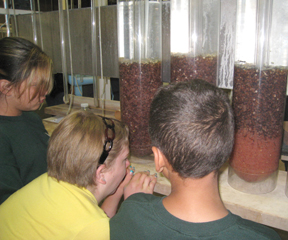 Kids’ education. Several years ago, Jenny Kedward from the local Sierra Club, Pat McGraw, then-President of our Chapter, and I collaborated to do a two-day summer camp program for 12-14 year olds in our community that concentrated on water education and fishing. We conducted it for four years in a row. Our chapter’s Frostbite Fish-Off Tourney, held for several years, is a close second.
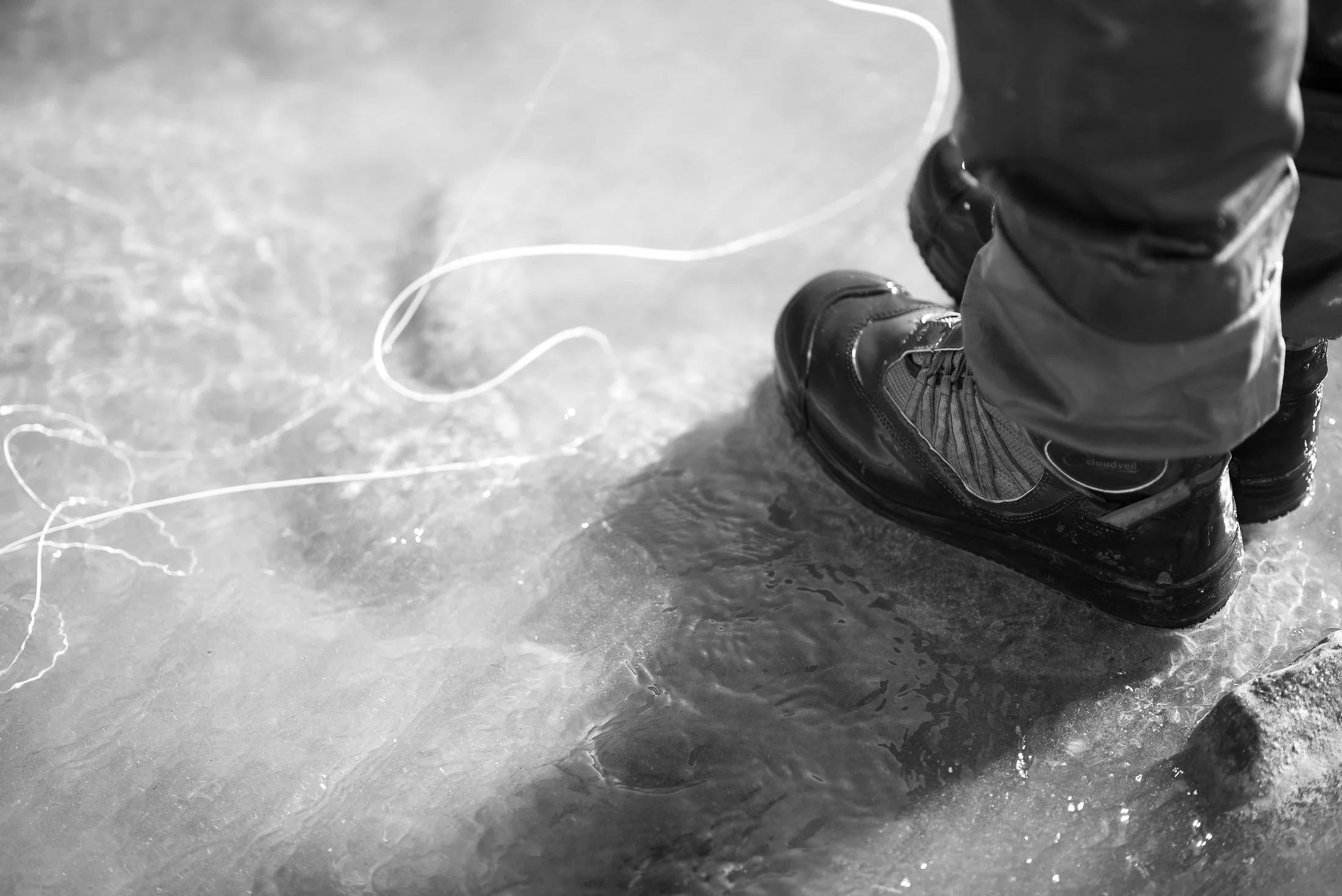
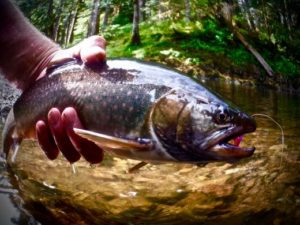 But there is one scenario where tenkara rods really shine, and that is for winter tailwater fishing. Colorado is home to many productive winter fisheries, most located below big dams. Tailwaters include the Blue River below Dillon Reservoir, the Frying Pan below Ruedi, the Yampa below Stagecoach, and the Taylor, to name a few. What these waters have in common is a steady flow of (relatively) warm water flowing all winter that is conducive to insect hatches, and in turn to feeding fish. Waters like this are justifiably famous for the big trout they produce, but fishing them during the high season usually means casting right beside many others doing the same thing. The nice thing about visiting them in the winter when everyone else is on the slopes, or inside nice and warm and dreaming of April, is that you can often have these normally busy waters all to yourself.