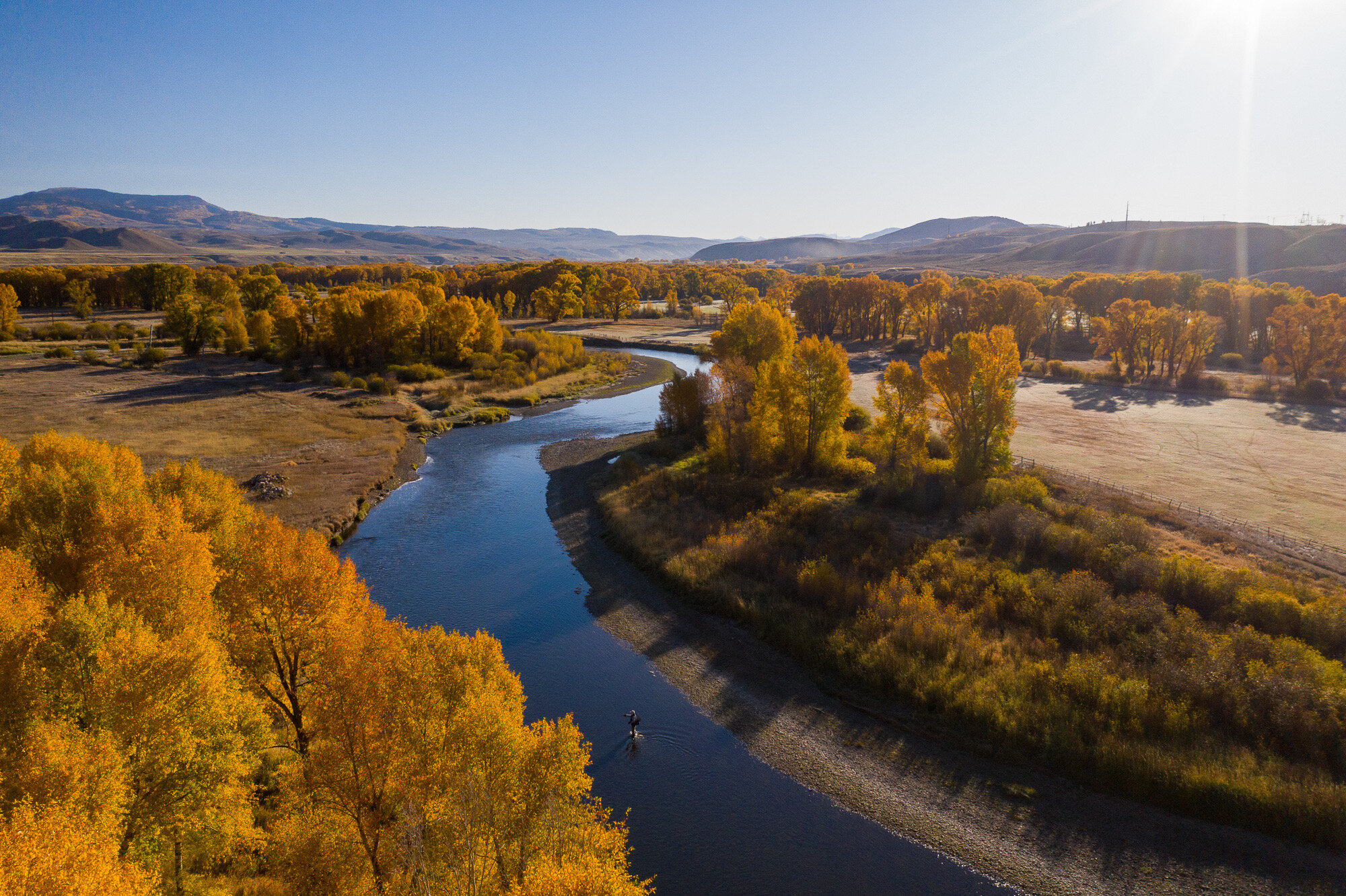
DENVER -- The Colorado Division of Wildlife is now accepting proposals from landowners interested in wildlife habitat conservation and in providing wildlife-related recreational access to their properties. Through the DOW's Wildlife Habitat Protection Program, up to $15 million is available this year for conservation easements or fee title purchases. Proposals will be accepted through 5 p.m. June 30. The DOW is most interested in high-priority habitat areas that are located throughout the state. These areas have been identified by wildlife managers and biologists as top priorities because they provide unique habitat considered critical to wildlife conservation. The loss of habitat is a primary cause of the decline of many wildlife species. This is the fourth year that the DOW is accepting proposals for the habitat program. Money for the program comes from a variety of sources, including: the Colorado Wildlife Habitat Stamp which is funded as a $10 charge on hunting and fishing licenses, other license revenue, grants from Great Outdoors Colorado and grants from the federal government. The DOW also partners with other agencies, conservation groups and landowners to further leverage funds. Since 2006, the DOW has protected more than 66,000 acres of wildlife habitat through the program and more than $40 million has been spent on the conservation effort. Various habitat types throughout the state have been protected, including: riparian zones, big game winter range, canyon areas, wetlands, sage brush, high-plains grasslands, high-altitude meadows and forested areas. Colorado�s Wildlife Habitat Protection Program accepts proposals from property owners, local government open-space programs, land trusts or other conservation organizations. Proposals should address one or more of the following priorities: winter range for big game; migration corridors for big game; access for hunting and/or fishing opportunities; habitat for threatened or endangered species or species of concern; and wetlands and riparian corridors. Proposals are also sought that help to enhance State Wildlife Areas through providing, for example, a more manageable boundary, securing an in-holding, and improving public access for wildlife-related recreation. The preferred strategy of the program is the use of perpetual conservation easements. These provide incentives to private property owners to keep land in agricultural production, and to actively assist with the management and protection of the priority species and landscapes. Conservation easements guarantee that landscapes will remain intact and provide fundamental wildlife benefits on a long-term basis. Private landowners have the opportunity to choose between perpetual conservation easements or fee simple acquisition for their properties. All conservation easements funded from the program require development of a management plan by the DOW and the landowner. The implications of a management plan should be carefully considered by the property owner prior to submitting a proposal. The conservation easements purchased under this program must include the protection of open space and of the wildlife habitat on the property. The protections sought by the DOW include, but are not limited to: restrictions on the type, timing and duration of livestock grazing; the type and timing of recreational activities; and the overall management of vegetation on the property. Negotiating the terms and conditions of the management plan is a key step in the process. The DOW encourages property owners to develop a clear vision for the future of their properties prior to entering into negotiations. Property owners can file a proposal themselves, or seek assistance from a local government entity or a conservation organization. Landowners who wish to participate in this program are strongly encouraged to donate a percentage of the value of the property. The value of any landowner donation will be given significant weight in DOW's evaluation, ranking, and selection of properties. All proposals will undergo a rigorous biological review and ranking process. Property owners are encouraged to contact a local DOW area wildlife manager to assist with information needed in the proposal. Notification of the Colorado Wildlife Commission's decision on proposals will be sent to all applicants by Nov. 13, 2009. For more information, to view the DOW's habitat priority map and for the application form, go to the website: http://wildlife.state.co.us. Under "Things to Know" in the middle of the home page, click on, "Proposals: Wildlife Habitat Protection Program." The application can be filled out on your computer or printed out. For more information, contact Diane Gansauer, land protection specialist, 303-291-7217, diane.gansauer@state.co.us.
No More Stamps for State Wildlife Areas
Colorado Springs Gazette A Colorado Wildlife Habitat Stamp is no longer required to simply enter State Wildlife Areas. Anyone buying a hunting or fishing license is still required to purchase a stamp.
But hikers can visit the state's 230 wildlife areas for free.
Non-license buyers can buy a $10.25 stamp as a way to contribute to wildlife conservation; buying a stamp also provides search-and-rescue insurance.
Division of Wildlife Island Habitat to be Launched at Washington Park
On Tuesday, June 9, the Colorado Division of Wildlife (DOW) and Denver Parks and Recreation will launch a floating island habitat enhancement project at Smith Lake in Washington Park. The four fabricated islands, which will be anchored on the west end of Smith Lake, will be planted with young native wetland plants. The goal for the project is to enhance wildlife viewing, provide fish and waterfowl habitat, and improve water quality. The island habitat project was coordinated by a partnership between Colorado Division of Wildlife, Denver Parks and Recreation, , and the Denver Department of Environmental Health. Funding for constructing the islands came from a grant from Great Outdoors Colorado (GOCO), and included a significant donation from Headwaters Floating Islands, the Montana company that fabricates the islands Washington Park was selected for this experimental project because Smith Lake and the wildlife surrounding it will benefit from any water quality enhancement, families will be able to enjoy watching for native wildlife, and a strong local neighborhood group, Friends and Neighbors of Washington Park, will be able to help the City of Denver, Denver Parks and Recreation and the DOW to monitor the project�s success. �This is an exciting project for Washington Park, showcasing some of the unique and interesting things we are capable of doing when we partner with other like-minded organizations and most importantly, the community,� said Kevin Patterson, Manager at Denver Parks and Recreation. It will take several months for the wetland plants to grow and mature. By the end of the summer, the islands should be established and operating as a �bio-haven�- which is the name that Headwaters Floating Islands has given to this unique project. By next summer, Washington Park visitors should be able to enjoy watching songbirds, waterfowl, colorful dragonflies � and hopefully a few turtles. �We will be watching for signs that wildlife is using the habitats,� Karen Hardesty, wildlife viewing program coordinator with DOW said. �With the help of volunteers, we�ll talk with anglers to learn how the islands have affected fishing, and monitor water quality right around the islands � hoping to see even small improvements.� Both Denver Parks and Recreation and the DOW hope that the public will enjoy the benefits from the islands soon, but it may be next summer before anyone notices any major changes. �This project is going to require some patience,� Hardesty added. �Once we construct the islands, the rest is up to Mother Nature � and she has her own time schedule. If everything goes well, and we think it will, we hope that floating islands like these can be used in other urban lakes and ponds to enhance urban wildlife habitat, provide viewing and education opportunities, and improve water quality.� Division of Wildlife Previous
Colo., NY reps want regulation of gas 'fracking'
By JUDITH KOHLER Associated Press Writer
Democratic Reps. Diana DeGette of Colorado and Maurice Hinchey of New York plan to reintroduce a bill that would repeal a ban on regulating the process, called hydraulic fracturing, under the federal Safe Drinking Water Act. Read More
Examiner.com's exclusive global warming debates: Roger Pielke Sr., part 1
Copyright 2009, Thomas Fuller In the third of our global warming debates, and hot on the heels of yesterday's interview with Professor Stephen Schneider (which has several comments on the work of today's interviewee) we are happy to present Part 1 of our interview with Dr. Roger Pielke Sr. Read More
Lawsuit targets logging in Colorado forest
By JUDITH KOHLER - The Associated Press June 2, 2009, 5:50PM ET
The lawsuit filed Monday in federal court by WildEarth Guardians and Colorado Wild claims the U.S. Forest Service's approval of logging the 3,500-acre site in the Rio Grande National Forest violates federal laws. Read more at Business Week.com
Couldn't they have just asked a farmer?
From the Denver Business Journal A 2007 feasibility study done for the Colorado Water Conservation Board measured the rain that fell on northwest Douglas County and found that just 3 percent actually reached a stream. The remainder, 97 percent of the water, either evaporated or was consumed by plants in the area.
Save-a-Stream
Did you know that according to a 2006 study by the U.S. Environmental Protection Agency, more than two-thirds of America’s streams are in "poor" or "fair" condition. Urban sprawl, environmental changes and pollutants have damaged so many of our streams that only 28 percent are currently deemed "good." Polluted streams are characterized by murky water, lack of species diversity, poor quality of plant life along the banks, erosion, barriers to fish movement and other factors. The need to clean up our streams for future generations is a legacy worthy of our time and investment today, which is why Trout Unlimited is a proud sponsor of Outdoor Life’s Save-A-Stream program. Outdoor Life is calling on volunteers across the nation to work on restoring their local streams, whether by simply cleaning up debris or doing substantial rechanneling. And they will help with supplies and materials to guide you on your way.
As a Trout Unlimited volunteer, you may know of a stream in your area that is in need of help. Submit photos or a video by June 30, 2009 along with a written description of the neglected body of water. Submissions will receive a free stream cleaning kit (while supplies last), and have an opportunity to appear in the pages of the December/January 2010 issue of Outdoor Life. Visit Outdoor Life's website for more details and to enter.
Together with Outdoor Life, we can make a difference. David M. Rogers Director of Volunteer Operations TROUT UNLIMITED
Green Life: Sprinkler audit can slow the flow
Boulder Daily Camera
What if you could get a professional to come to your home and perform a technical audit of your sprinkler system, then help you set up the optimum watering schedule for your lawn -- and do it for free?Anyone familiar with Slow the Flow Colorado knows that's just what the program offers to residents in Boulder County and beyond.
The program runs Monday through Aug. 14. For the sixth year in a row, it's being managed by the Center for ReSource Conservation in Boulder. Read More
Today's Wilderness Podcast: David Petersen
Durango-based Dave Petersen is on the staff of the Trout Unlimited Sportsmen's Conservation Project.
David is a credible and accomplished outdoorsman who has written extensively about many of his life experiences in the ever vanishing wilderness. We discuss his book “Ghost Grizzlies”, which has recently been released in its 3rd edition, with many new photos’ and information not available before. We talk about the grizzlies that many believe may still exist in the mountains of Colorado, including the 1979 incident involving guide Ed Wiseman and the truly last known Colorado grizzly. David talks about his books “A Man Made of Elk”, “Writing Naturally” (which is a guidebook for anyone wanting to write about the outdoors) and also about a Petersen cult-classic “Racks”, including future plans to re-release much of that books information under a new handle. David shares details about his life and how they have brought him to where he is today, also discussing his very important role with Trout Unlimited.