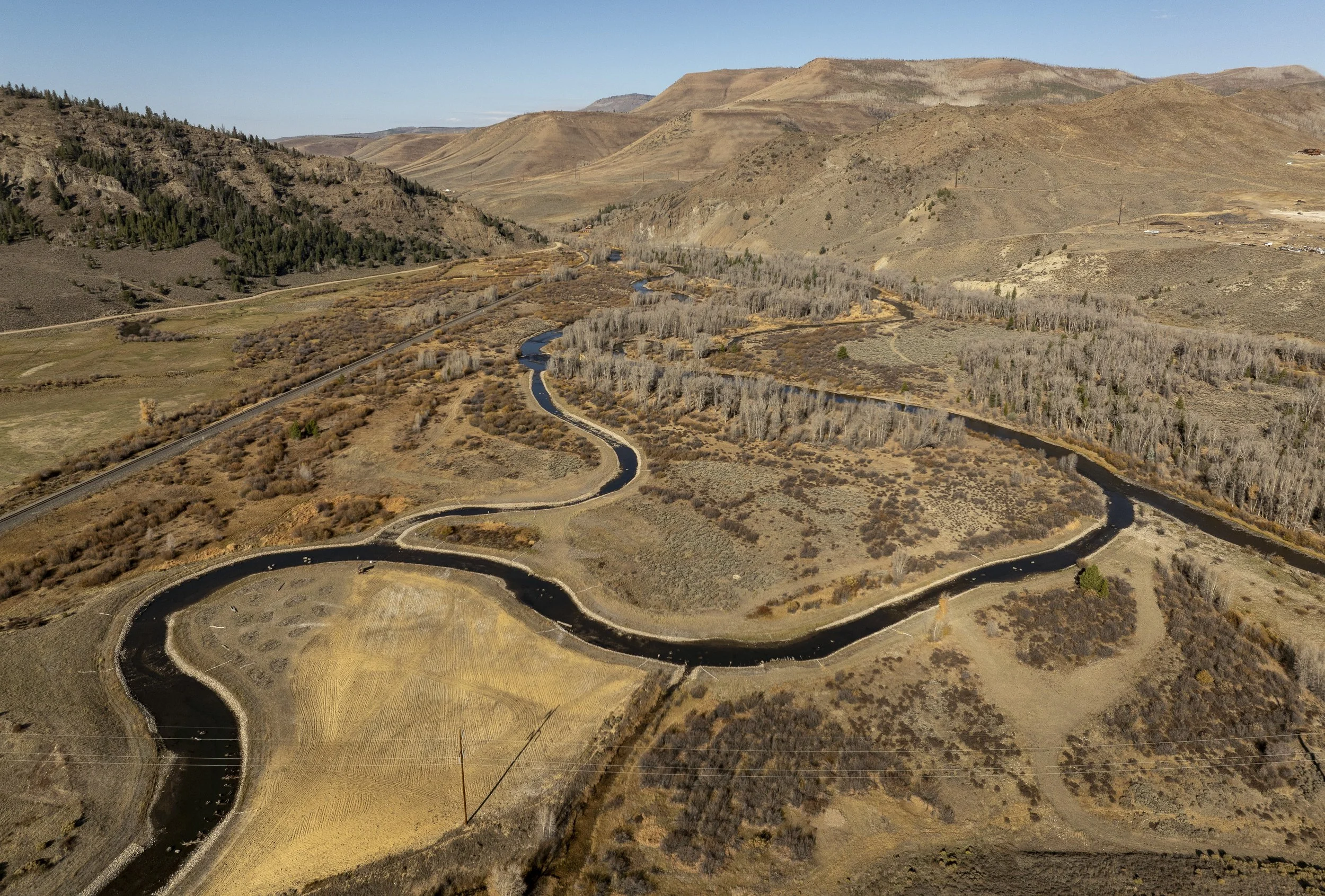
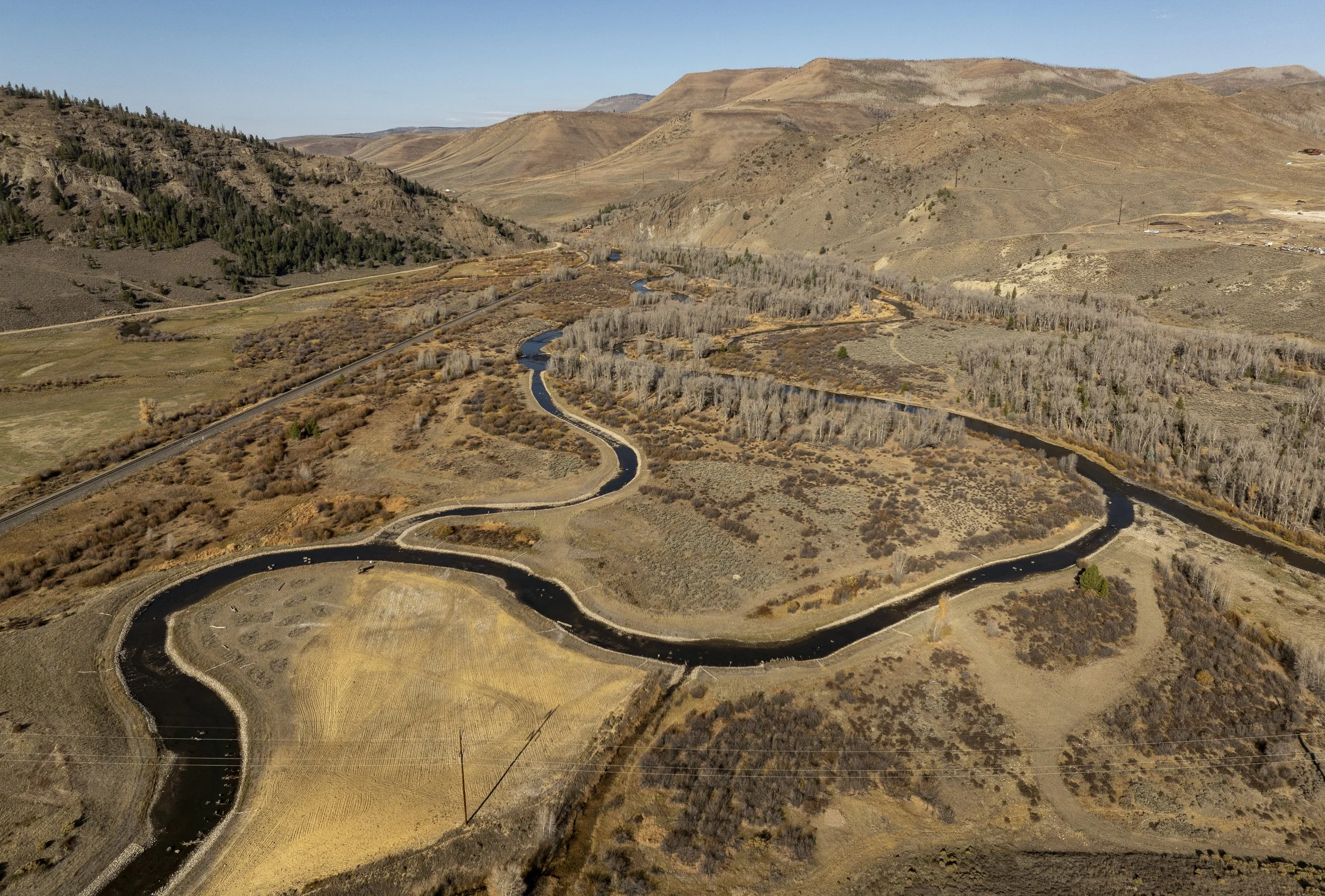
Colorado’s rivers are showing the strain of a hot, dry summer.
After months of drought, low snowpack, and persistent heat, the impacts are visible across the state. Rivers and streams are running low. Water temperatures are rising. Reservoir levels are dropping. Wildfires are burning across Colorado. These conditions affect more than recreation. They put pressure on water supplies, agriculture, wildlife, local economies, and communities that depend on healthy watersheds.
When streamflows drop, rivers warm more quickly. Warmer water holds less dissolved oxygen, making conditions harder for fish and other aquatic life. Low flows also reduce the ability of a stream to buffer heat, dilute pollutants, and support healthy habitat through the hottest part of the year.
Those conditions are already affecting how people use Colorado’s rivers. Colorado Parks and Wildlife has implemented voluntary fishing closures on several waters, including portions of the Yampa River, the Lake Fork of the Gunnison River, Cochetopa Creek, and Tomichi Creek. These closures are a signal that some rivers need extra care right now, especially during the hottest parts of the day when water temperatures peak and fish are under the most stress.
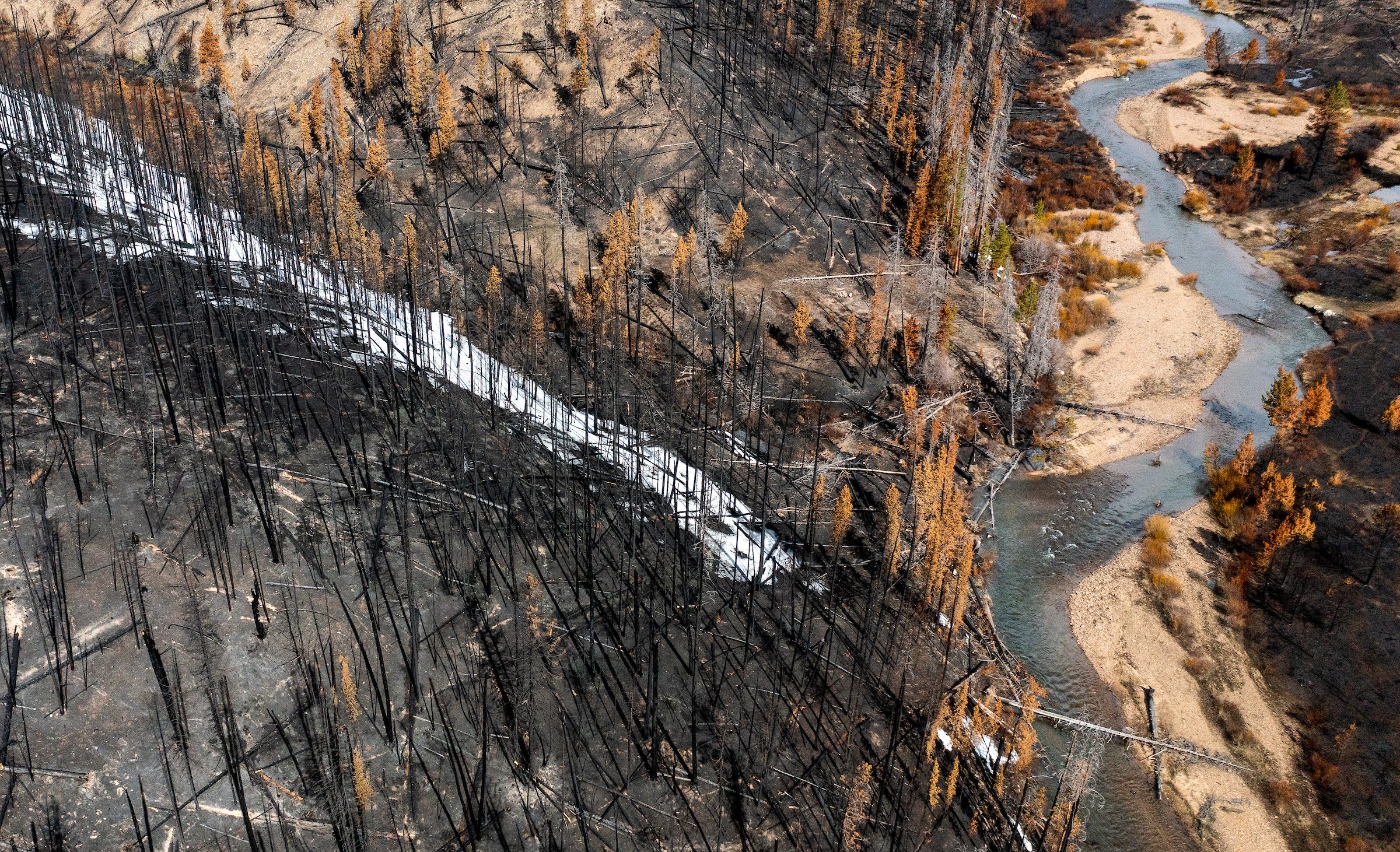
Drought is also tied to what is happening beyond the riverbank. Dry soils, stressed vegetation, and hot weather can increase wildfire risk across the landscapes that feed our rivers. Fires like Aspen Acres and Gold Mountain are reminders that watershed health includes both land and water.
The full impact of an active fire on stream habitat is not always known right away. But the risk is clear. When rain falls on burned hillsides, ash, sediment, and debris can move into streams and reservoirs. That can affect water quality, aquatic habitat, infrastructure, and downstream communities long after the flames are out.
This is a summer for paying attention.
Before heading outside, check current fire restrictions, local closures, stream conditions, and water temperatures. Respect voluntary and mandatory restrictions. Use water wisely at home and in your community. If you are fishing, go early, handle fish carefully, and be willing to change plans when water is too warm or flows are too low. Consider waters with more favorable conditions, such as higher-elevation lakes, tailwaters with stable cold releases, or warmwater fisheries where appropriate.
For Colorado Trout Unlimited, this moment reinforces why long-term river conservation matters.
Healthy watersheds are more resilient. Reconnected floodplains, restored wetlands, shaded stream corridors, intact headwaters, and healthy riparian areas can help stabilize flows, reduce erosion, improve water quality, keep stream corridors cooler, and support habitat through difficult conditions.
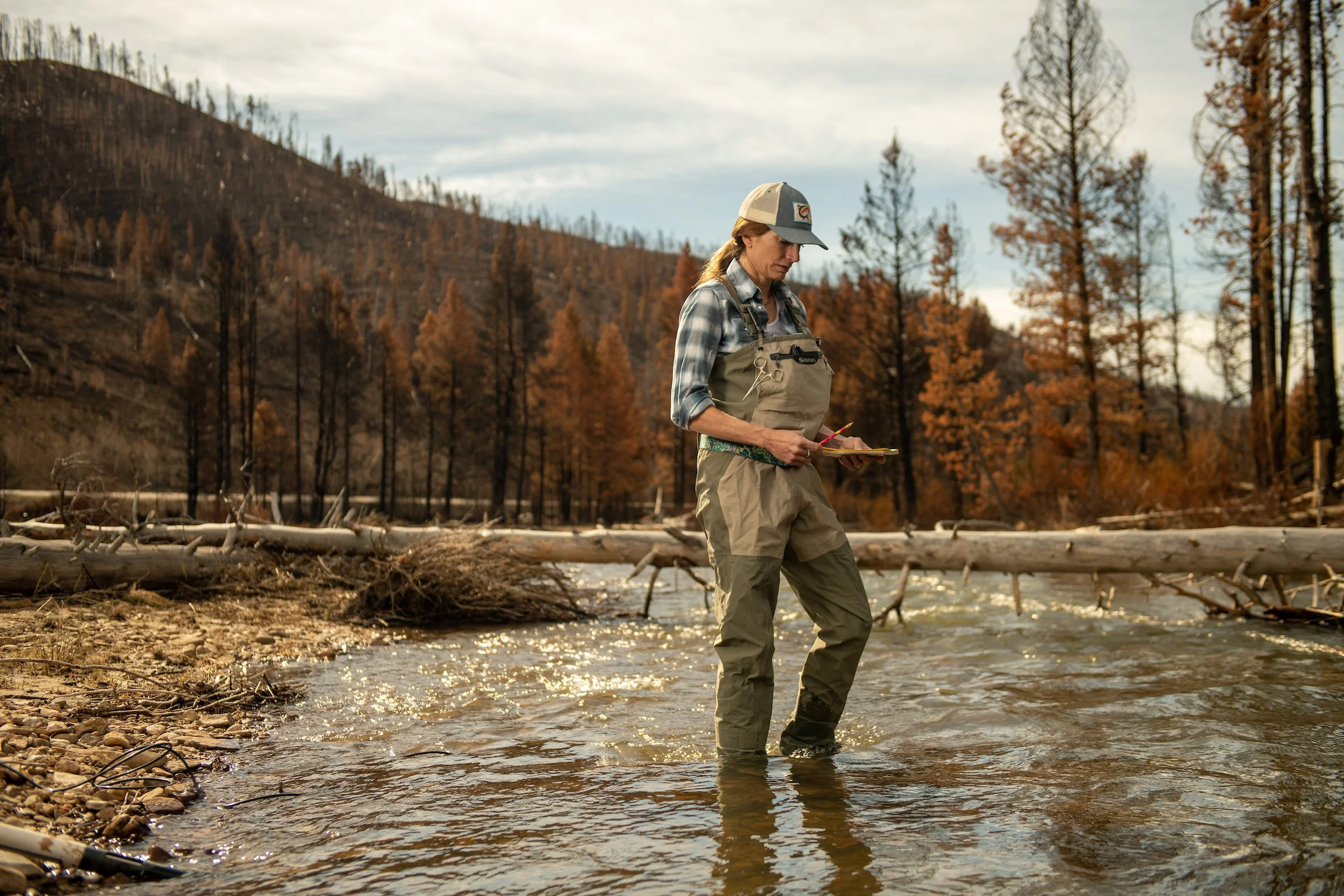
Restoration work led by TU staff and chapters does not make drought disappear or stop every wildfire. But over time, projects that restore floodplains, protect headwaters, improve riparian areas, and reconnect rivers with their natural corridors can help watersheds function more naturally and recover more effectively under drought, heat, fire, and low-flow conditions.
Colorado’s water story started with snow this year. Now, in July, it is showing up in low rivers, hot afternoons, dry forests, active fires, and communities watching conditions closely.
Colorado Trout Unlimited and our chapters will continue working across the state to protect and restore the watersheds that sustain Colorado’s rivers, communities, wildlife, and way of life.
Every river needs a champion, especially in a summer like this.