Colorado Gov. John Hickenlooper today officially endorsed Denver Water’s proposed Gross Reservoir Expansion Project, also called the Moffat Collection System Project, calling it a model for how to achieve a secure water supply “while assuring a net environmental benefit in a new era of cooperation.” The governor’s endorsement follows the Colorado Department of Public Health and Environment’s June 23 release of aSection 401 Water Quality Certification that finds the proposed project meets state water quality standards. Trout Unlimited issued the following statements:
David Nickum, executive director, Colorado Trout Unlimited:
“Trout Unlimited supports this project, which strikes a necessary balance between the water needs of Front Range municipalities and the need to protect healthy flows and fish and wildlife habitat in the Fraser River. The so-called “Learning by Doing” program in the proposal sets up a collaborative process that requires water users to monitor the health of the river in coming years and adjust operations to address unforeseen challenges and opportunities. Moreover, Denver Water has entered into partnerships on the Front Range to ensure that the project alleviates chronic low-flow problems in South Boulder Creek. Both sides of the Divide benefit.”
 Mely Whiting, lead negotiator for Trout Unlimited:
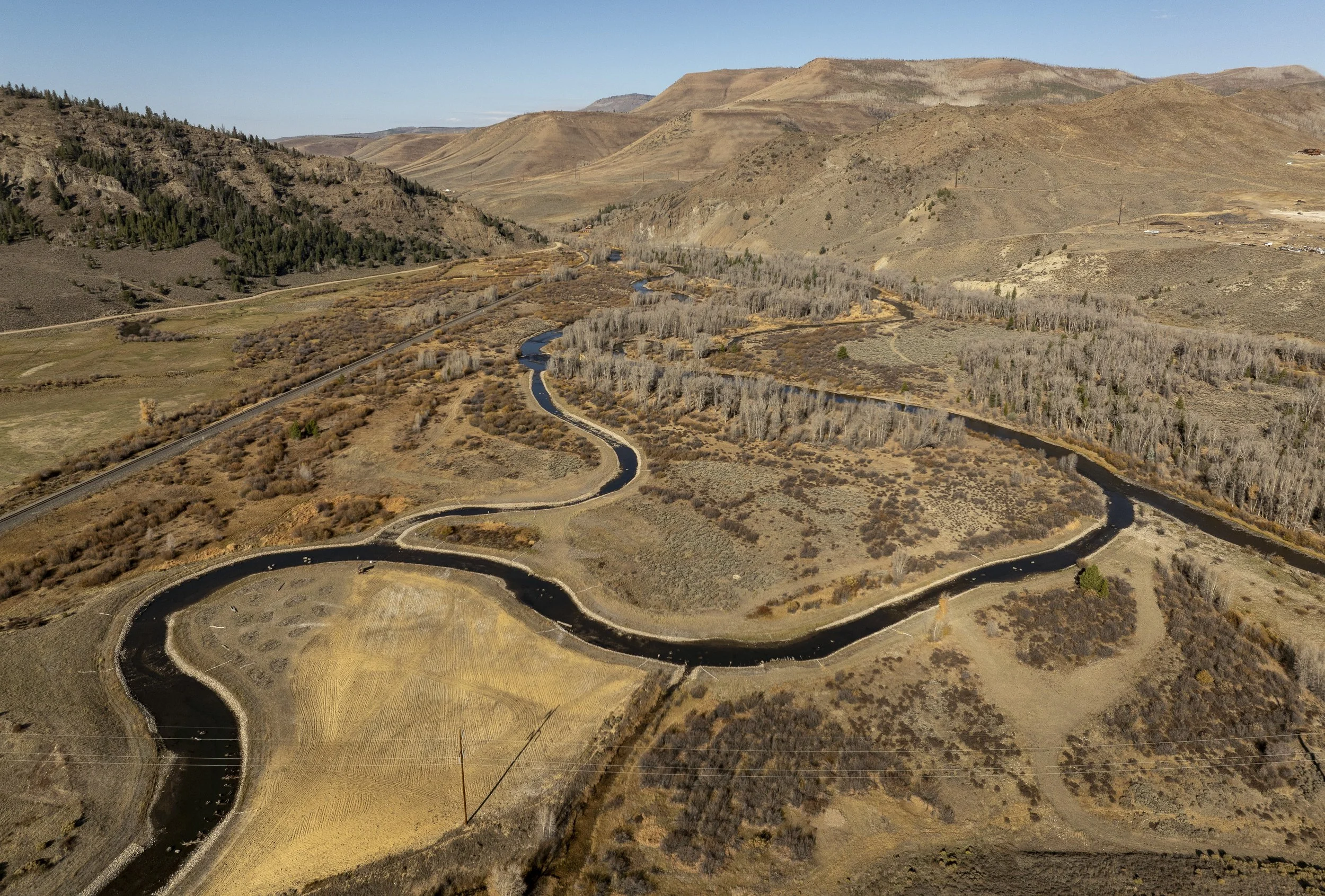
“The fact is, the Fraser and Colorado River have been in decline for many years, and Learning by Doing is giving us a chance to change that trajectory by engaging the key stakeholders on how to work together to best manage the river. While more water will be drawn from the river in wetter years and seasons, greater cooperation in managing water – including provisions that provide extra water during low flow periods, and investment of funds in restoration activities – means that we can put the Fraser and the Colorado on a pathway toward better river health.
“That’s the key challenge going forward—in an age of increasing water scarcity and pressures, how can we work together to make the best use of a finite resource while protecting Colorado’s outdoor quality of life? As the governor said, the Moffat expansion project provides a model for how we can find that pragmatic common ground that secures our water future. Now we need to roll up our sleeves and do the actual work.”
Kirk Klancke, Colorado River Headwaters Chapter, Trout Unlimited:
“It’s important to me and others who live here and love this place to preserve its natural resources and outdoor opportunities—it’s what makes this valley such a special place to live and play. I’m encouraged that the Moffat expansion project requires Denver Water and other stakeholders to ensure that the health of the Fraser River doesn’t deteriorate due to additional diversions.
“After years of conflict and lack of communication, we have a group of stakeholders, including Denver Water, Grand County and conservation groups like Trout Unlimited, committed to working together to find common ground and keep the Fraser River and its trout healthy. That’s a remarkable turnaround—and it’s huge progress.”
 The water from the Upper Colorado flows from Lake Granby (which acts as the storage facility), then it is is pumped into Shadow Mountain Reservoir where it then flows down into Grand Lake. From Grand Lake, the water then is pumped through the 13.1 mile long Alva B. Adams Tunnel under the Continental Divide and flows into the Big Thompson River. From there, the water drops into power plants that supply the pumps on the western slope.
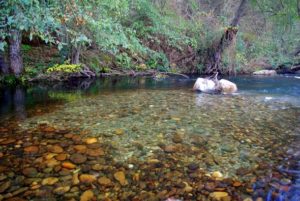 As the flows of the Upper Colorado are depleted by the diversion projects, the natural cleansing of the river fails to occur. Each spring, rivers experience flushing flows- an increase in water flow that breaks up sediment buildup along the stream bed. When the river isn't able to clean itself from sediment buildup between cobblestone, it doesn't allow for insects to hatch or fish to spawn.
 The West needed water to expand. Currently, 80 percent of Colorado's population is on the east of the Divide while 80 percent of the water is on the west side. This means that in order to thrive, water needed to be diverted. The C-BT opened the door to other transmountain diversions- including the Moffat Tunnel from the Fraser River, another tributary of the Upper Colorado headwaters.
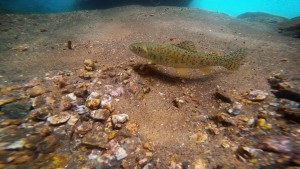 that would weaken the temperature standards that are supposed to protect trout streams throughout the state. The proposed changes brought forth by the Water Quality Control Division (WQCD) would put many trout fisheries at risk including during spawning periods.
 Trout Unlimited is working to ensure that the temperatures of Colorado's streams remain at a healthy level for trout to survive. CTU has put together an
 “Just as our landscapes make Colorado a special place, the bipartisan bill creating an annual Public Lands Day demonstrates positive leadership at a time when politics is often too full of division,” said Suzanne O’Neill, Colorado Wildlife Federation executive director. “Public lands, from the mountains to the sagebrush steppe and rolling plains, support our fish and wildlife, hunting, fishing, wildlife watching, and other outdoor recreation that generates more than $34 billion in economic activity each year.”
 Thompson Divide is a wildlife haven for big game habitat and is home to designated “outstanding waters” that contain healthy populations of native cutthroat trout. While some of the acreage being proposed for new leases is in areas with relatively low fish and wildlife values compared to the Thompson Divide, other acreage contains important big game hunting habitat and cutthroat trout streams. The draft bill does not address potential protections for this habitat.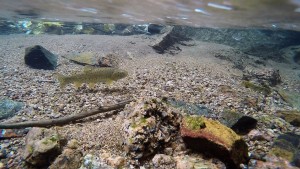
 Changes being proposed are potential, but the fish need our help. Trout Unlimited is conducting a