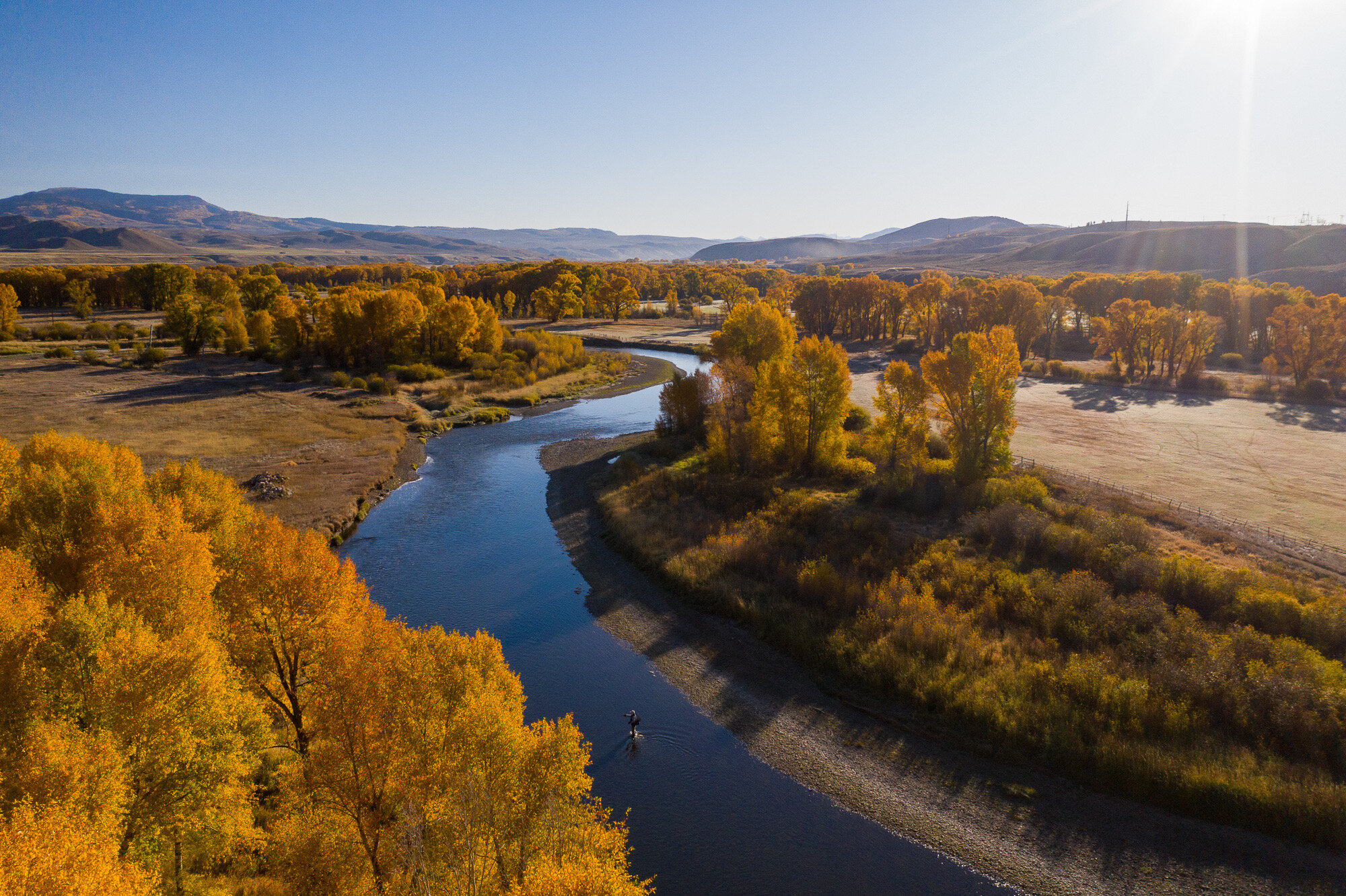
Brian Hodge is an aquatic restoration biologist with Trout Unlimited’s Western Water and Habitat Project. He lives outside of Steamboat Springs and works on projects in the White and Yampa river basins. In 2015, Brian received the prestigious Rise to the Future Award from the U.S. Forest Service in recognition of his work in protecting watershed resources in the Routt National Forest. We recently caught up with Brian and asked him a few questions: Tell us about your work and its goals.
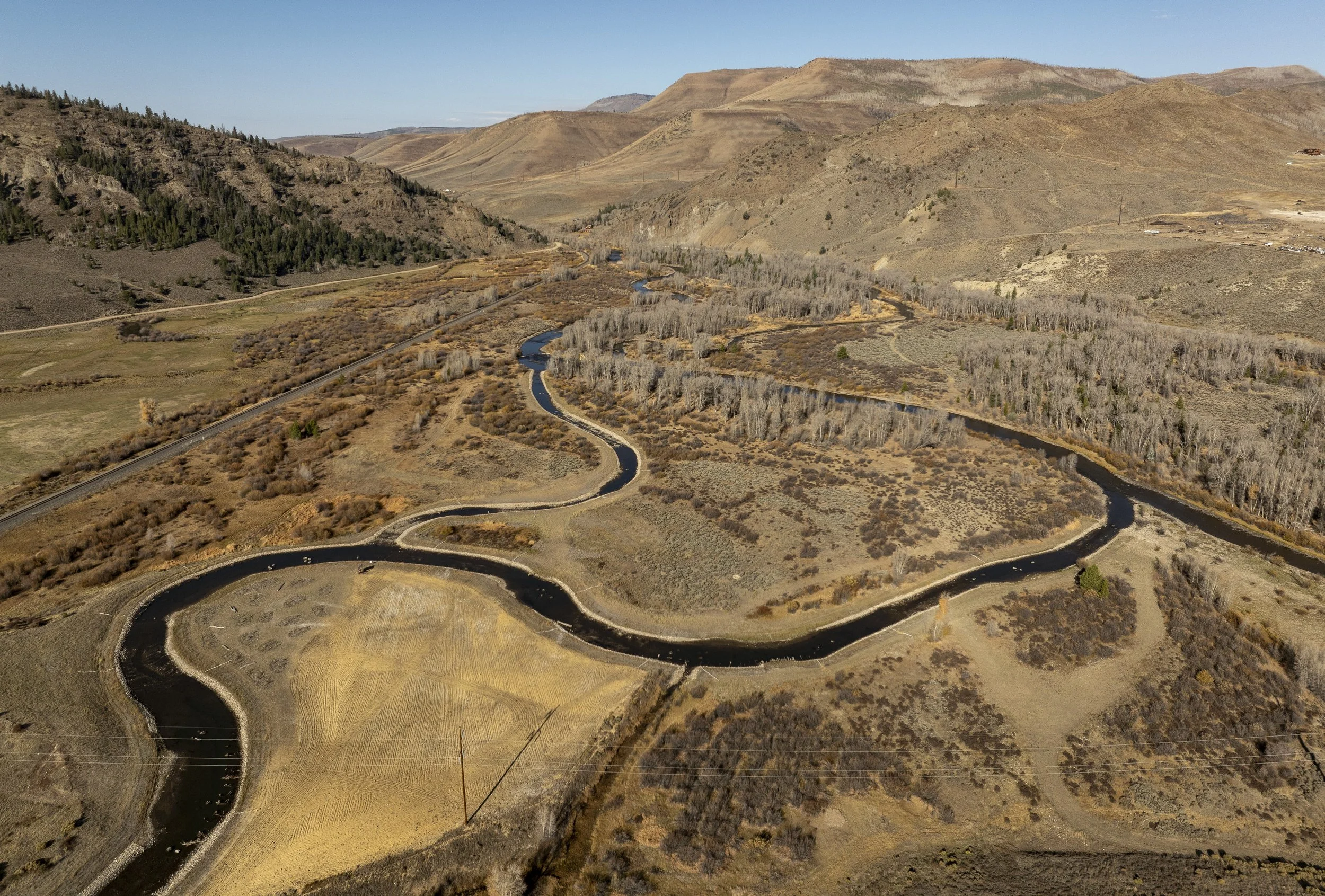
My work is anything related to fishery restoration—from identifying, designing, and fundraising for restoration projects, to implementing and monitoring those projects. I typically partner with private landowners and agencies, and I’m especially interested in conserving native fishes. One of my primary goals is to plan and implement projects that benefit coldwater fish and landowner alike. By helping to improve irrigation efficiency, for example, we might improve stream flows for trout and operational efficiency for ranchers.
What motivates you to conserve coldwater fisheries--why do the fish matter?
The fisherman and father in me hope to conserve fisheries so that I have opportunities to catch fish in the future and my son has opportunities to catch fish in the distant future. And in my opinion, there’s a difference between catching wild and hatchery fish. But fishing is only a piece of it—for me, conservation is about more than preservation of fishing. The scientist in me knows that removing or replacing one piece of an ecosystem might set off a string of dominoes, with undesired results. I see the logic in conserving the original pieces. Finally, some part of me is, and always has been, drawn to fish. I can explain why I like working on lakes and streams and why fish fascinate me, but not necessarily why it was fish—and not deer or football—that captured my interest 25-30 years ago. Fortunately, I found a way to build a career around my interest.
What do you do for fun apart from work?
When I’m not working, I like to spend time with my son. We ski, fish, and hunt, among other things.
What’s something people don’t know about you?
I coached junior ski racers for 12 years. Ski racing is a great sport and, in my opinion, among the best for developing the mind, body, and spirit of young athletes.
Favorite book?
I couldn’t choose just one favorite book, though a book I read about once a year is Indian Creek Chronicles by Peter Fromm. It’s a true story about a 19-year-old who skips a semester of college to guard salmon eggs on the Selway River in Idaho. It’s a great read on a camping or backpacking trip. Other books I like are River of Renewal by Stephen Most and Totem Salmon by Freeman House. There’s definitely a fish theme.
Do you have a conservation hero?
I don’t know that I have a hero, but I know that I’m constantly motivated and inspired by the people I work with. I work with an outstanding group of conservation biologists in northwest Colorado and, of course, I don’t have to look too far within TU to find conservation leaders. If TU’s Chrysten Lambert and Brian Johnson (among others) succeed in removing four dams from the Klamath River, they’ll be my conservation heroes.
 Growing up on the dirt roads just east of Parker, Colorado, I was fortunate enough to explore the many streams and lakes that this great state has to offer. In particular, I often found myself hiking up small creeks in the Gunnison Basin in search for the pockets of eagerly-feeding brookies that never once questioned my poor presentation or choice of fly. By the time I was twelve years old, I had my own fly rod and I was hooked.
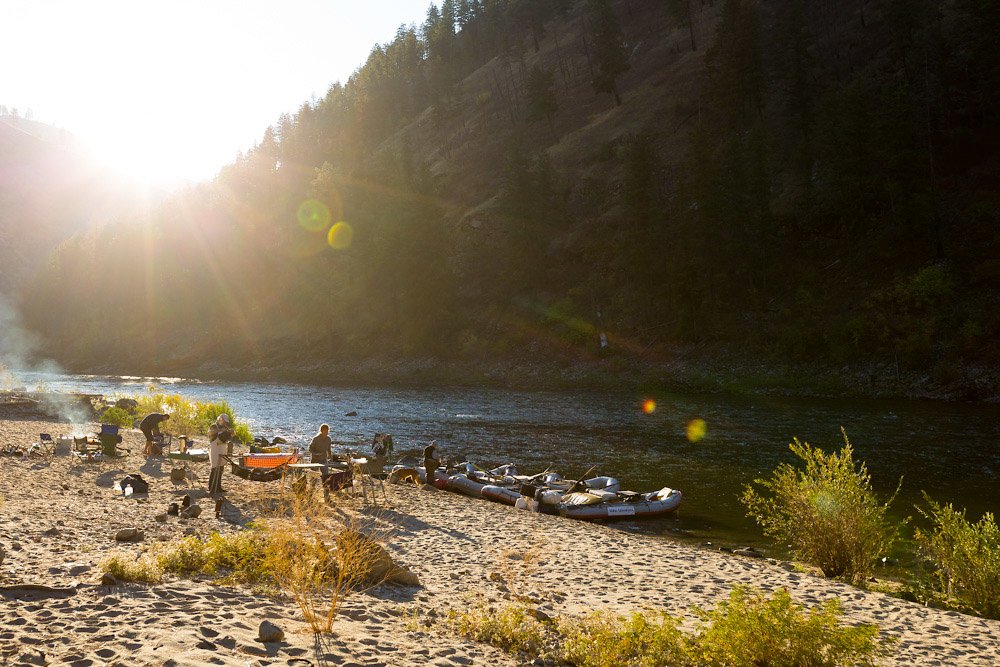
 After moving back to Gunnison in 2013, I worked with a team of fellow raft guides and conservationists to start a non-profit rafting company. River Restoration Adventures for Tomorrow (RRAFT) is a small outfitter dedicated to protecting critical watersheds through community engagement and hands-on restoration work. Over the past three seasons, our team has worked with over 400 community volunteers and youth to conduct various conservation projects on over 300 miles of riparian corridor throughout Colorado and Utah. Our trips ranged from cottonwood planting projects with Delta and Cedaredge High School youth, to overnight trips with the Adaptive Sports Center and Peace of Adventure, to 10-day surveys of invasive plant species along the Colorado River in Cataract Canyon with the National Park Service and the Southwest Conservation Corps Ancestral Lands crews. Not only were we making a difference for the rivers, we were helping to inspire and engage the next generation of stewards.
 After moving South in the early 1990s I transferred to the Southern Colorado Greenback Chapter of TU. After several years, I was on the Board again, serving mainly in the capacity of Communications Chairman. I will be retiring this year, but plan on maintaining an active role in the chapter. Hubby Paul and I are Life Members, and proud of that.
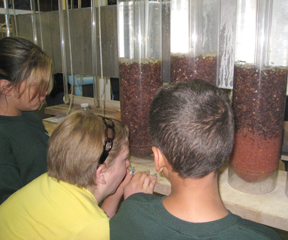 Kids’ education. Several years ago, Jenny Kedward from the local Sierra Club, Pat McGraw, then-President of our Chapter, and I collaborated to do a two-day summer camp program for 12-14 year olds in our community that concentrated on water education and fishing. We conducted it for four years in a row. Our chapter’s Frostbite Fish-Off Tourney, held for several years, is a close second.
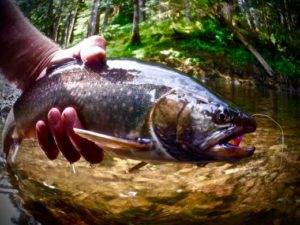 But there is one scenario where tenkara rods really shine, and that is for winter tailwater fishing. Colorado is home to many productive winter fisheries, most located below big dams. Tailwaters include the Blue River below Dillon Reservoir, the Frying Pan below Ruedi, the Yampa below Stagecoach, and the Taylor, to name a few. What these waters have in common is a steady flow of (relatively) warm water flowing all winter that is conducive to insect hatches, and in turn to feeding fish. Waters like this are justifiably famous for the big trout they produce, but fishing them during the high season usually means casting right beside many others doing the same thing. The nice thing about visiting them in the winter when everyone else is on the slopes, or inside nice and warm and dreaming of April, is that you can often have these normally busy waters all to yourself.