
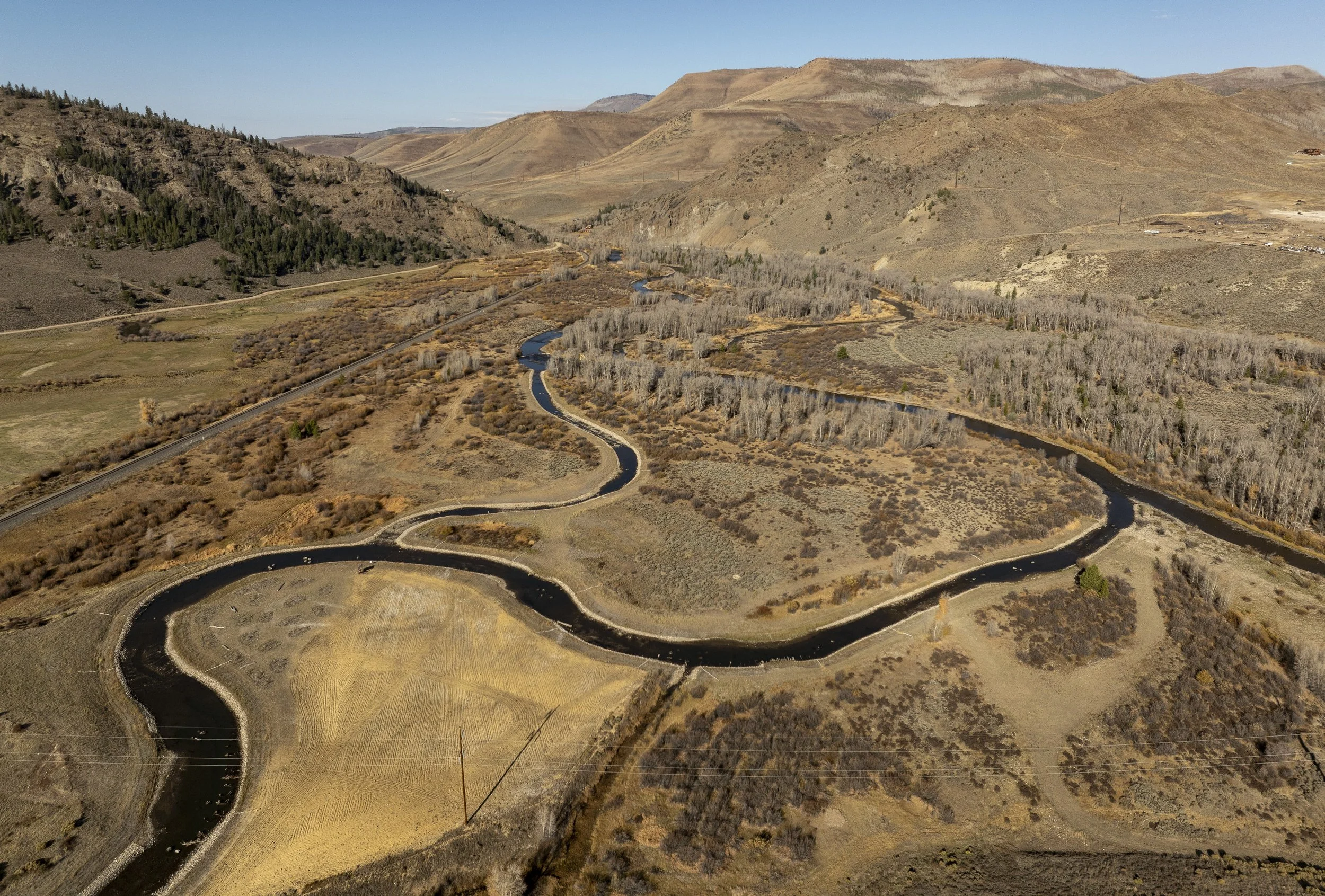
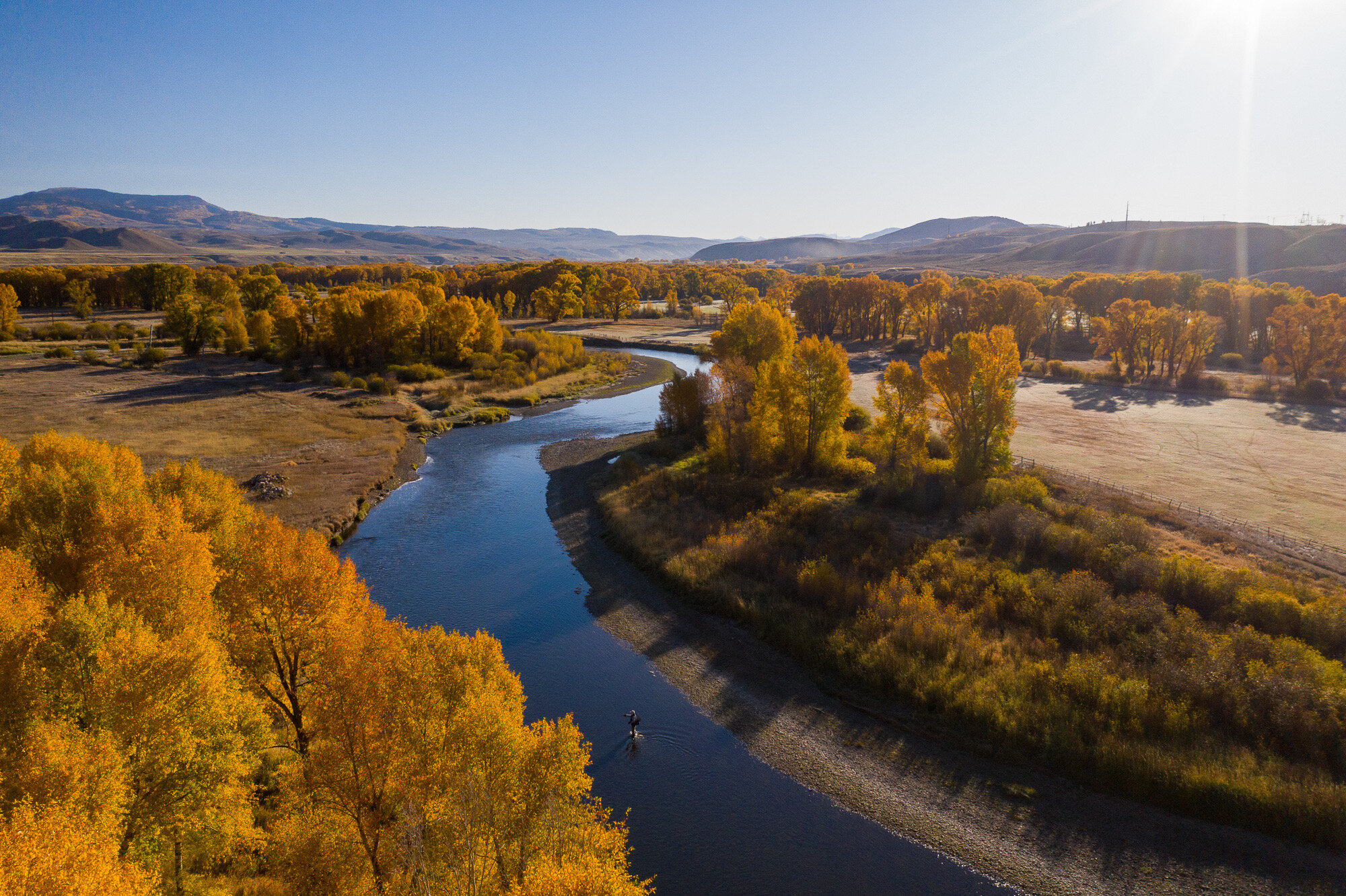
Steamboat [Springs] Pilot & Today - By Collin Smith If the water court approves the request, Shell would draw 375 cubic feet of water per second from the Yampa River through two diversion points between Maybell and the base of Cross Mountain. The company plans to construct a 45,000 acre-feet reservoir south of the river and pump water to facilities in the Piceance Basin.

Re: “Water bills back saving on rainy days,” Feb. 10 news story.
The Colorado General Assembly is considering two pieces of legislation that would allow homeowners to install systems to capture rainwater for residential uses. Harvesting rainwater off the roof can be an eco-friendly practice, reducing the need to deliver water to the home from other sources, a process which can damage streams and aquifers and require use of significant energy.
But Coloradans should recognize that, in some cases, precipitation captured in a cistern would otherwise seep through the ground to a nearby stream for the benefit of fish and wildlife habitat and senior water rights. A large residential development with home rainwater cisterns might appear “green,” but could actually further stress an already depleted stream.
Recognizing the impact rainwater cisterns can have on streams, House Bill 1129 requires the proponents of rainwater harvesting projects to replace the water they remove from the system. In this respect, the bill provides a measure of protection to other water users and the state’s streams. The bill also favors cistern projects that include other water conservation measures, a smart provision in a semi-arid state with growing water demands.
Drew Peternell, Boulder
The writer is director of Trout Unlimited’s Colorado Water Project.
http://blogs.denverpost.com/eletters/2009/02/19/harvesting-rainwater-has-an-effect-downstream/