Colorado Trout Unlimited's STREAM Program, part of the Headwaters Education initiative, kept youth engaged throughout July with hands-on lessons focused on rivers, watersheds, and aquatic ecosystems. STREAM is a STEM-based river stewardship program that also incorporates Recreation and Arts to help young people connect with nature through watershed exploration, trout education, and river conservation activities.
Adams County 4-H
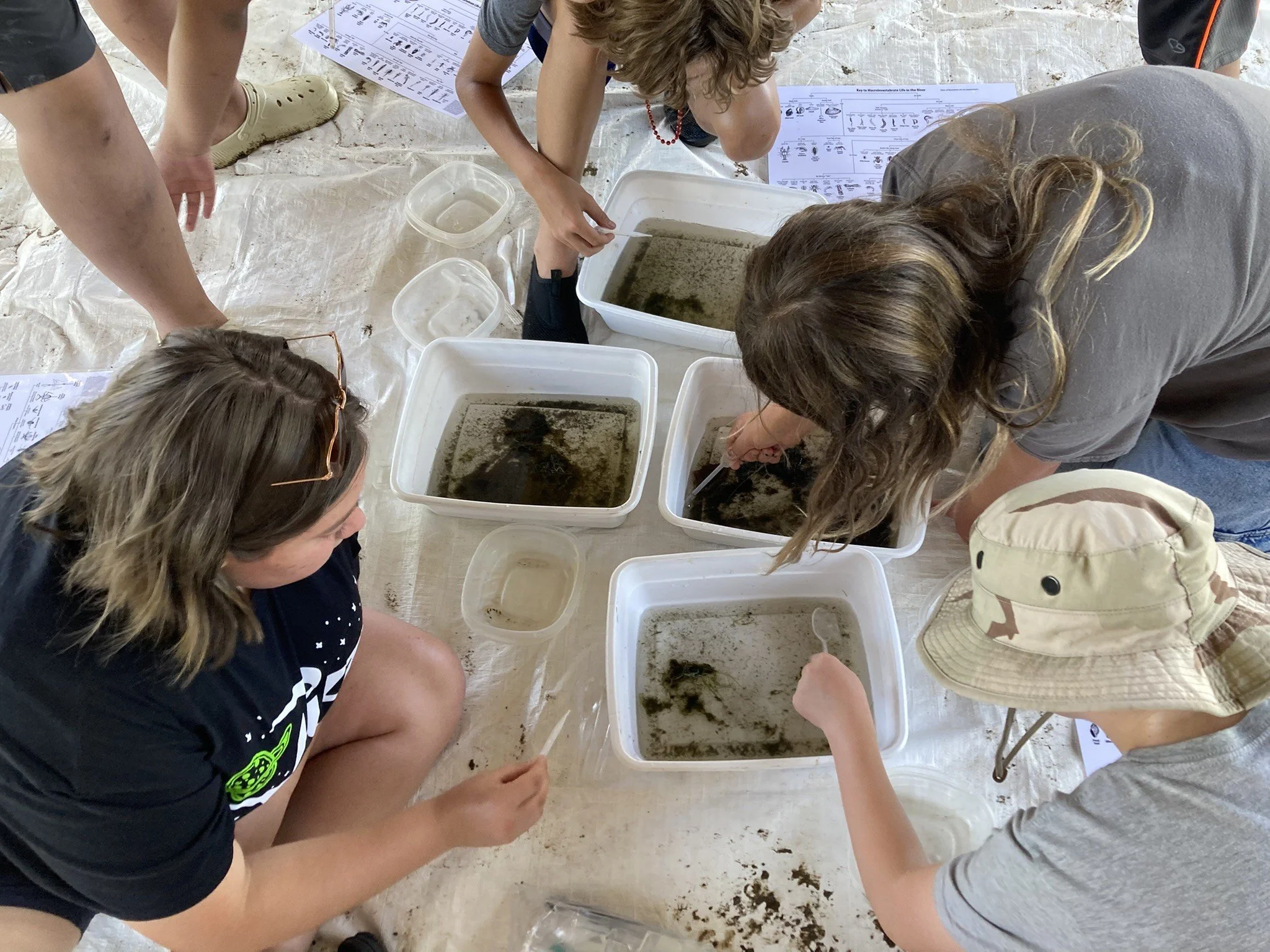
In early July, Colorado Trout Unlimited partnered with CSU Extension Adams County 4-H Youth Development Camp for a two-day exploration of two locations in the South Platte River watershed.
On the first day, middle school campers gathered at Waterton Canyon and Lake Lehow near Littleton, where the South Platte River emerges from the mountains. Participants sampled aquatic macroinvertebrates and recorded water quality measurements, including temperature, turbidity, pH, and dissolved oxygen. The group identified stoneflies, mayflies, caddisflies, damselflies, crayfish, and frogs, concluding that the river's cool, clear water supported good overall water quality.
Two days later, the group reconvened in Brighton, where the South Platte River flows through the Adams County Fairgrounds after passing through the Denver metropolitan area. Sampling revealed a different macroinvertebrate community, including small mayflies, planaria, leeches, and bloodworms. Water temperature was warmer and turbidity was higher, indicating fair water quality and conditions more suitable for species tolerant of warmer water.
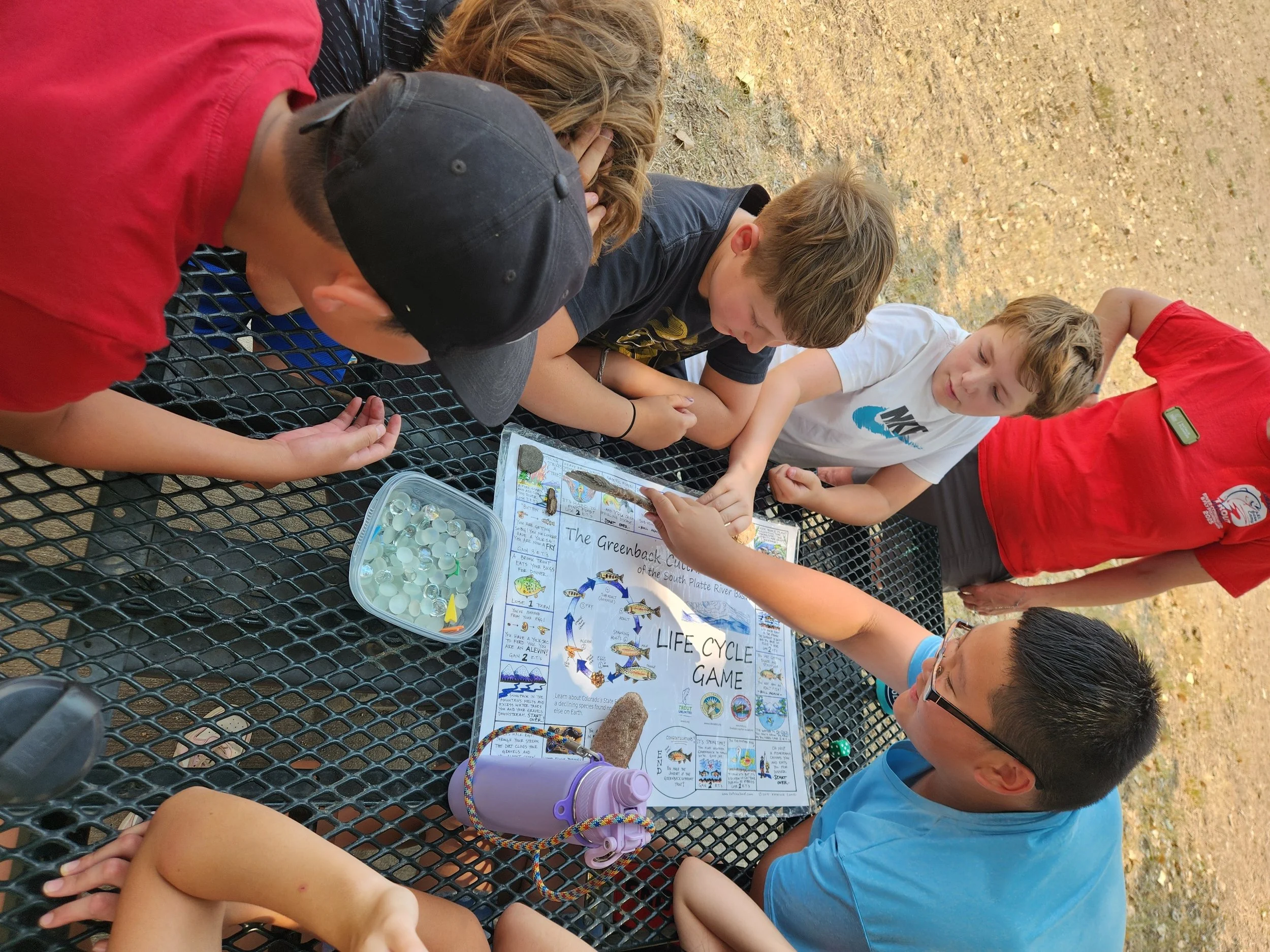
Campers discussed the differences between the two locations and what the changes in water temperature, clarity, and aquatic life could tell them about river health. Comparing the sites helped participants see firsthand how conditions can change along a single river and how those changes affect the species that live there.
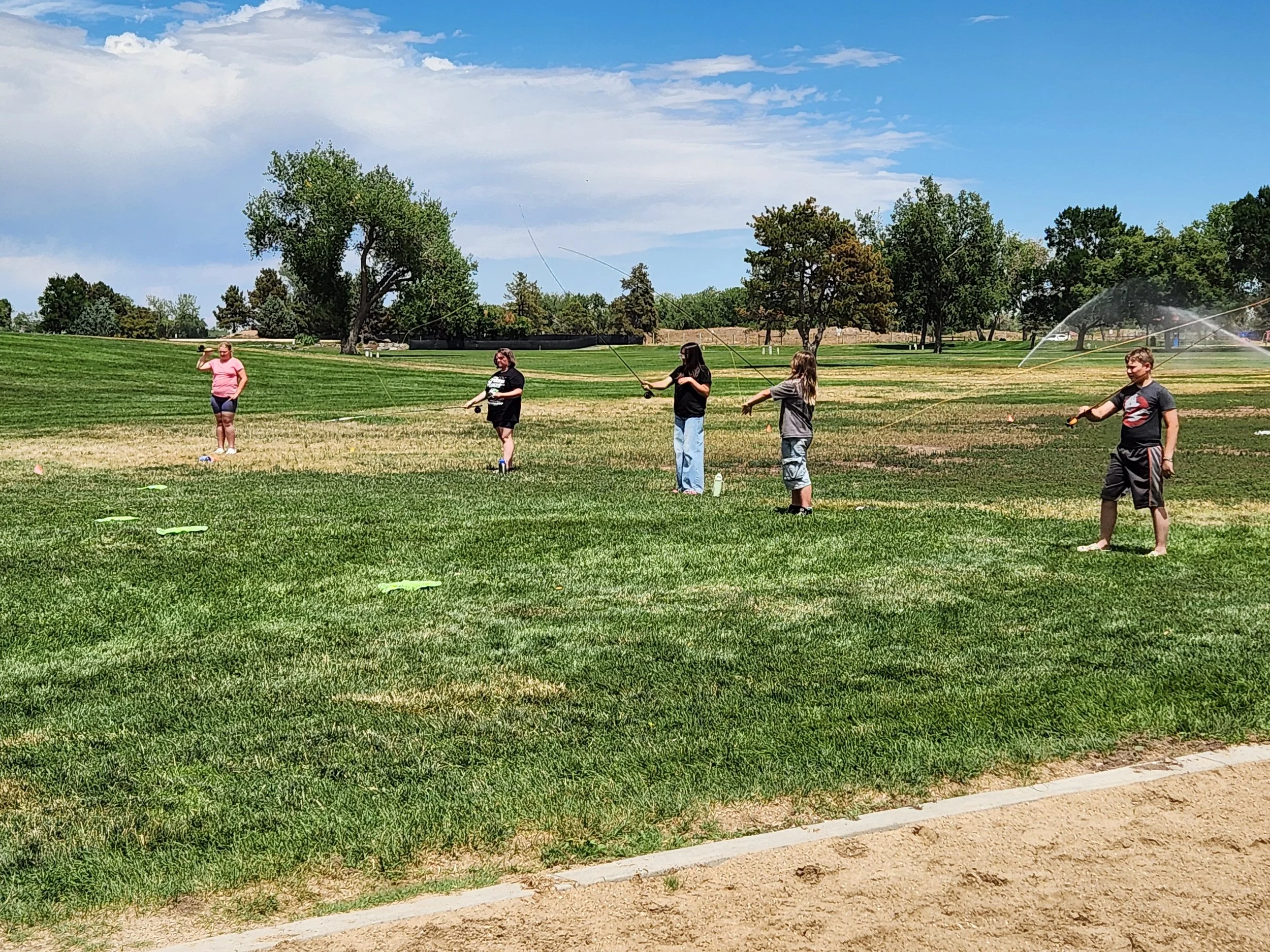
The program also included the Greenback Cutthroat Trout Life Cycle board game and an introductory fly casting lesson, where campers practiced their casting skills by catching Velcro trout.
Together, the activities gave campers a better understanding of how water quality, habitat, and aquatic life are connected throughout a watershed.
Boys & Girls Clubs of Northwest Colorado
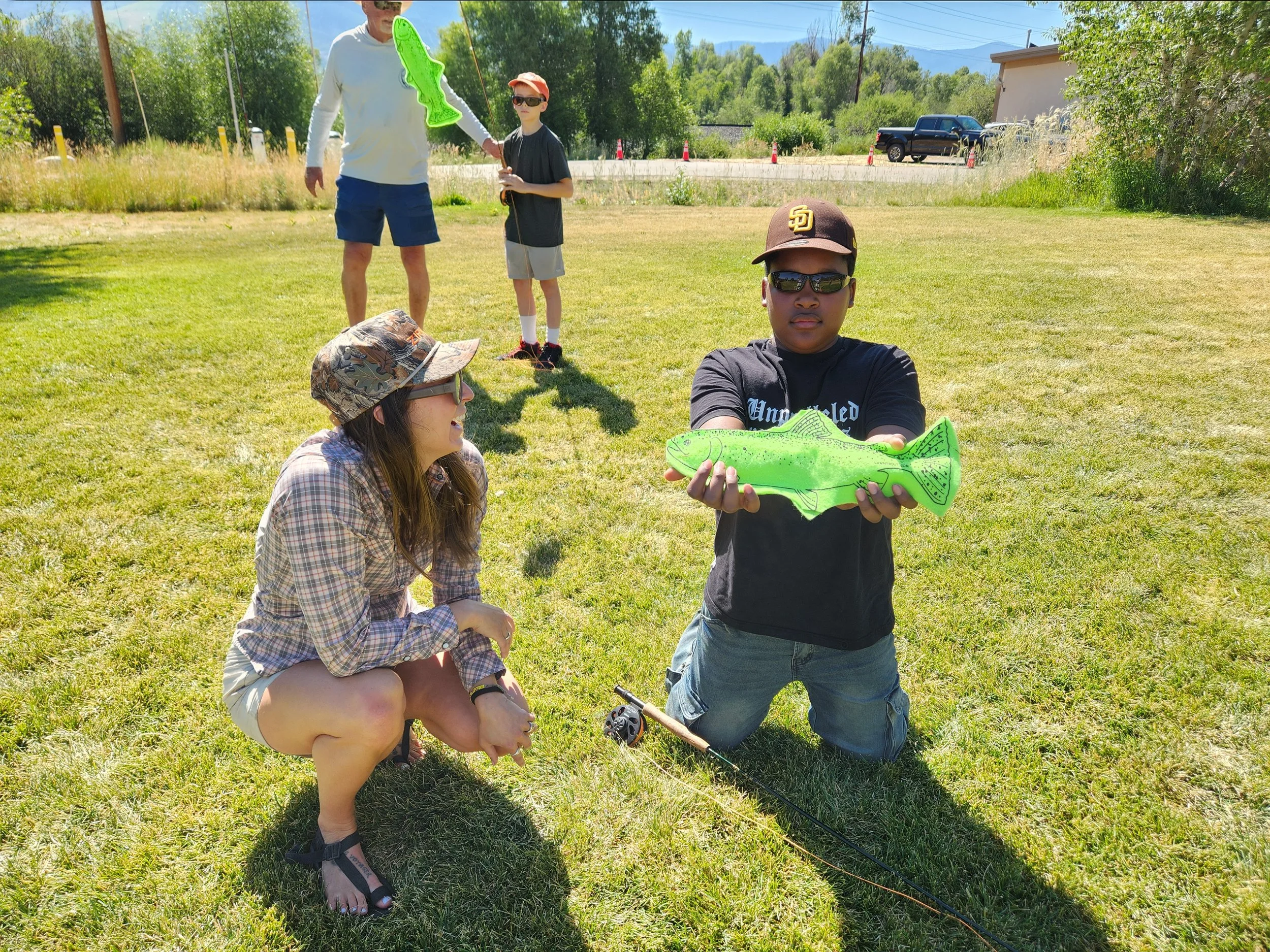
In mid-July, the STREAM Program traveled to Steamboat Springs, partnering with the Boys & Girls Clubs of Northwest Colorado and volunteers from the Yampa Valley Fly Fishers Trout Unlimited Chapter.
Over two days at Fetcher Park, youth from Steamboat Springs and Craig participated in aquatic macroinvertebrate sampling and fly casting instruction. Although recreational use of the Yampa River was temporarily restricted due to elevated water temperatures, special permission was obtained for educational sampling activities.
Campers discovered populations of caddisflies, mayflies, and midges, giving them an opportunity to learn what aquatic insects can reveal about river conditions, even during a period of drought and elevated water temperatures.
Fly casting lessons and catching Velcro trout provided another hands-on way for participants to connect what they were learning about rivers and aquatic habitat with outdoor recreation.
Many participants were already familiar with outdoor recreation and angling, but the program gave them a closer look at their local watershed and the ecology of the Yampa River.
Brighton Recreation Center Funshine Summer Camp
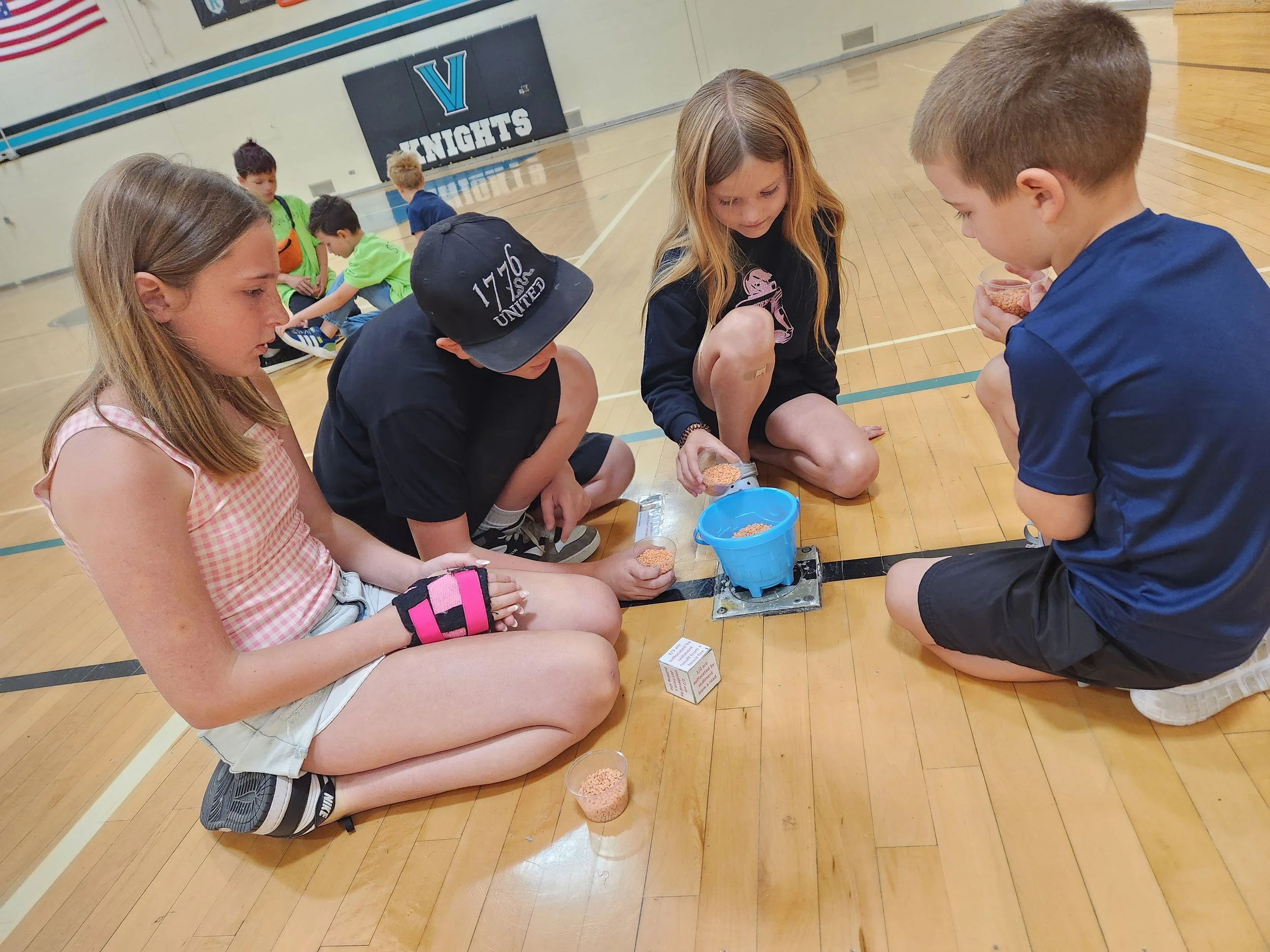
The final STREAM event of July took place at Vikan Middle School in Brighton in partnership with the Brighton Recreation Center's Funshine Summer Camp.
Youth ages 7–11 participated in the Trout Survival Game, an interactive activity that follows a trout's journey from egg to adulthood.
Each participant began with a cup of orange lentils representing trout eggs within a redd, or spawning nest. As they moved through the trout life cycle, campers encountered the natural and human-caused challenges trout face along the way.
At each stage, participants saw their original number of "eggs" decrease, illustrating how relatively few trout survive from egg to adulthood and how water quality, habitat, predators, drought, and other factors can affect survival.
A concluding discussion encouraged participants to reflect on what they learned about trout, river ecosystems, and the conditions aquatic species need to survive.
Building Future River Stewards
Throughout July, Colorado Trout Unlimited engaged youth from different communities through hands-on learning focused on river ecology, water quality, trout conservation, and watershed stewardship.
From sampling aquatic insects and testing water quality to exploring the trout life cycle, participants had the opportunity to investigate Colorado's rivers for themselves. Along the way, they learned how water, habitat, and aquatic life are connected, and why understanding those connections is an important part of caring for Colorado's rivers and streams.