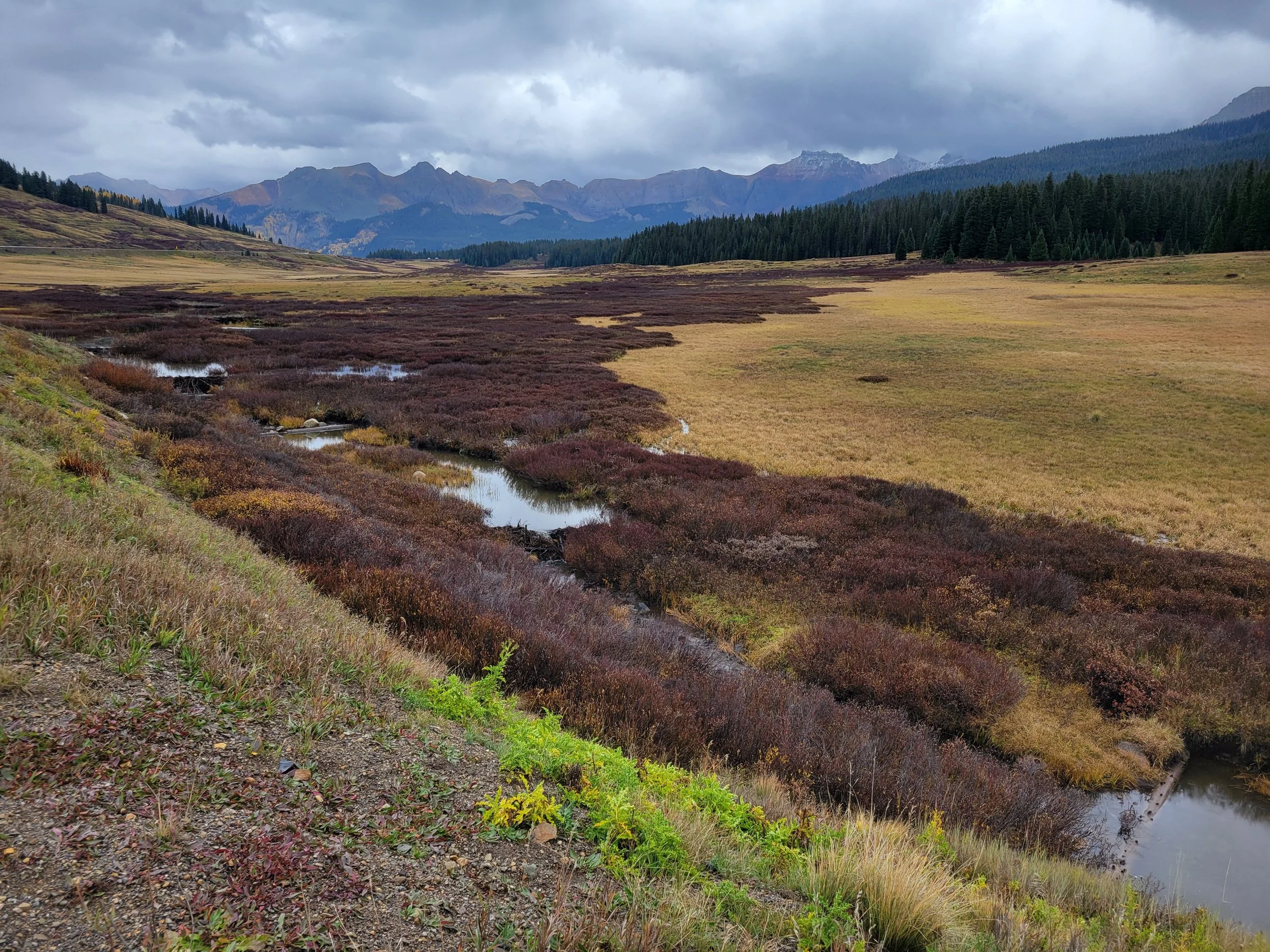
Colorado TU Executive Director David Nickum recently had the opportunity to visit project efforts with the Five Rivers and Dolores River Anglers chapters. Both were contributing to ongoing, long-term restoration efforts in their home waters and making a real impact as local river champions.
Snow Spur Creek
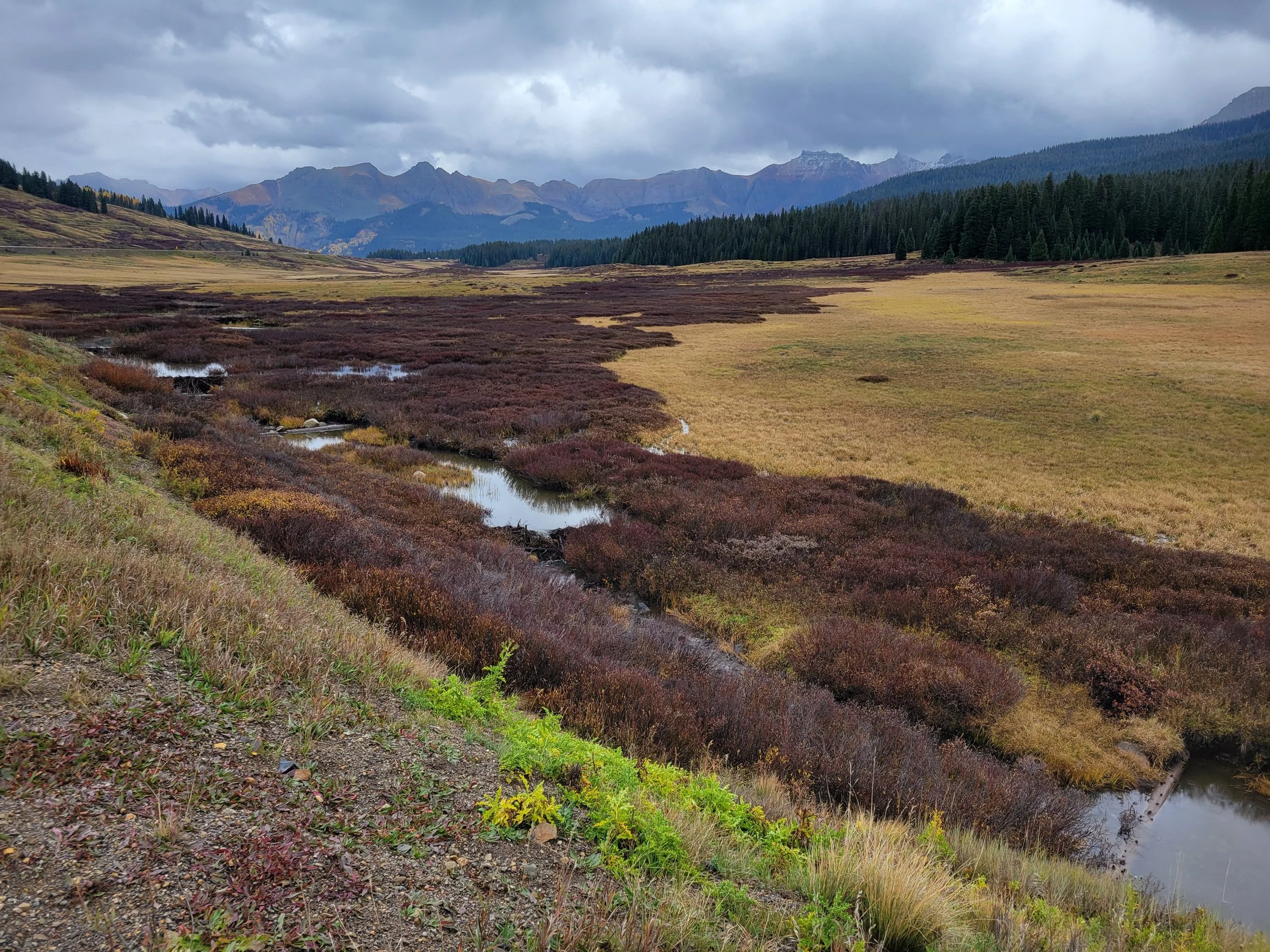
In 2026, Colorado TU helped support the continued efforts of its Dolores River Anglers chapter in partnership with the San Juan National Forest to restore habitat on key tributaries in the Dolores headwaters, this year focused on Snow Spur Creek near Lizards Head Pass. This summer, a combination of local volunteers and Southwest Conservation Corps crew members installed 17 new beaver dam analogs (BDAs). These structures operate within the stream similar to actual beaver dams, providing refuge habitat, improving riparian condition, and elevating local water tables to benefit stream health. These are critical benefits for this headwater stream’s important cutthroat trout fishery.
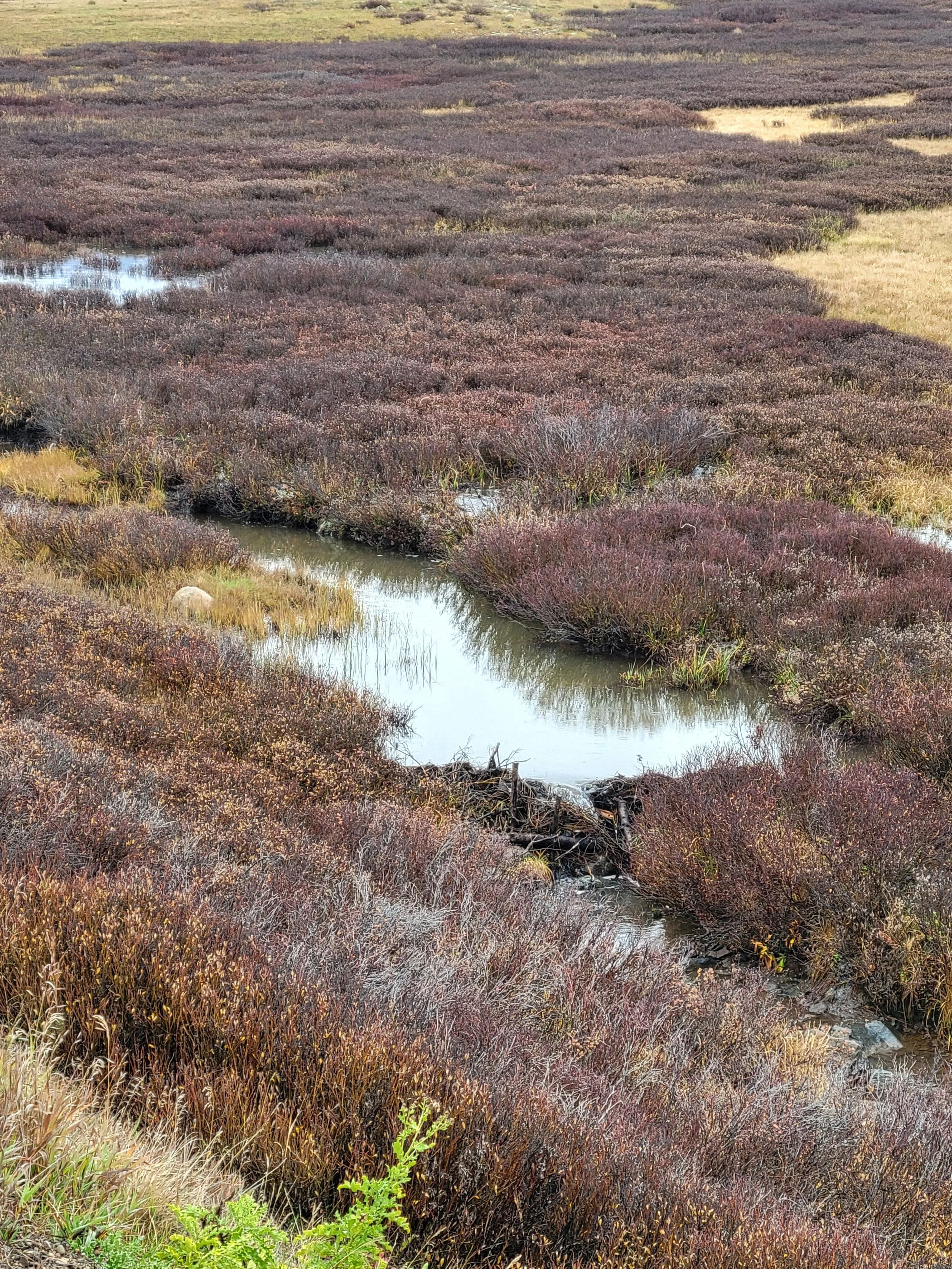
Before construction started, new beaver dam construction was found just upstream of the restoration reach – and after the BDAs were installed, beaver quickly started accessing and maintaining several of the structures. That offers the best of all worlds – rapid habitat benefits can accrue from the human-installed features, while nature’s engineers carry forward long-term maintenance and sustain those benefits for the future.
Work on Snow Spur is part of ongoing long-term restoration of priority streams across the Upper Dolores basin. In collaboration with Colorado Parks and Wildlife, the US Forest Service, the Dolores River Water Conservancy District, and other local partners, the chapter has assessed expected future conditions in the basin under climate change and helped identify priority waters that offer the greatest resilience as future strongholds of trout habitat. Work to conserve and improve habitat in those priority waters will continue in the years to come.
Hermosa Creek Restoration
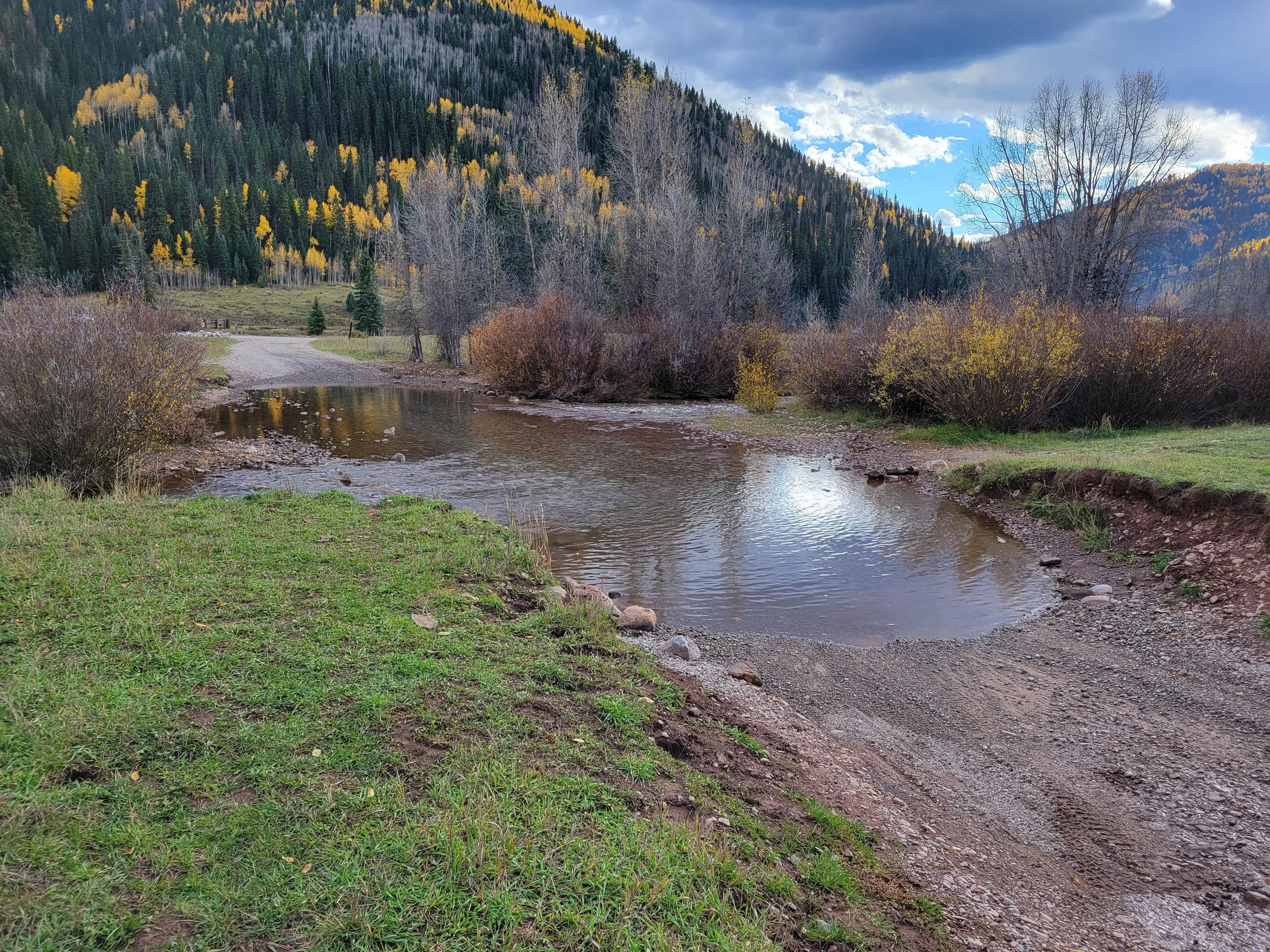
Trout Unlimited and the local Five Rivers Chapter (Durango) have a long history of working on behalf of the Hermosa Creek watershed, from advocacy for the first-of-its-kind federal watershed protection area designation by Congress, to restoration projects bringing native cutthroat trout back to some 20 miles of connected habitat. In 2026, TU and the chapter partnered with the San Juan National Forest to move forward on the next step of restoration in the Hermosa Creek watershed – dealing with two road crossing fords that degraded habitat and caused downstream sedimentation.
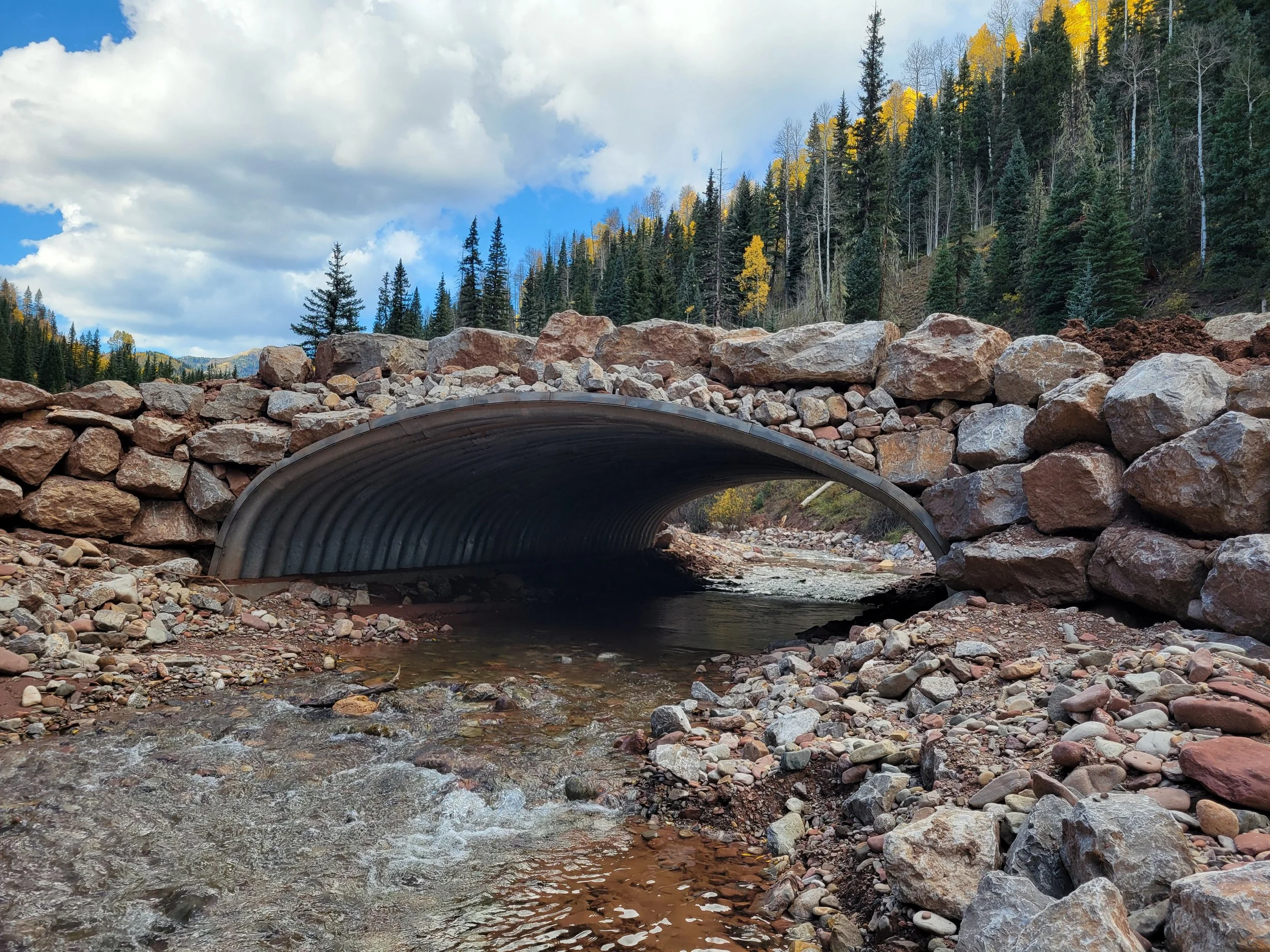
One crossing on Hermosa Creek was replaced with a new open-bottom culvert that maintains a natural stream while routing the road over the top. The new fish-friendly crossing will reduce sedimentation into the mainstem of Hermosa Creek while maintaining the popular road access to Bolam Pass, connecting to the Dolores basin.
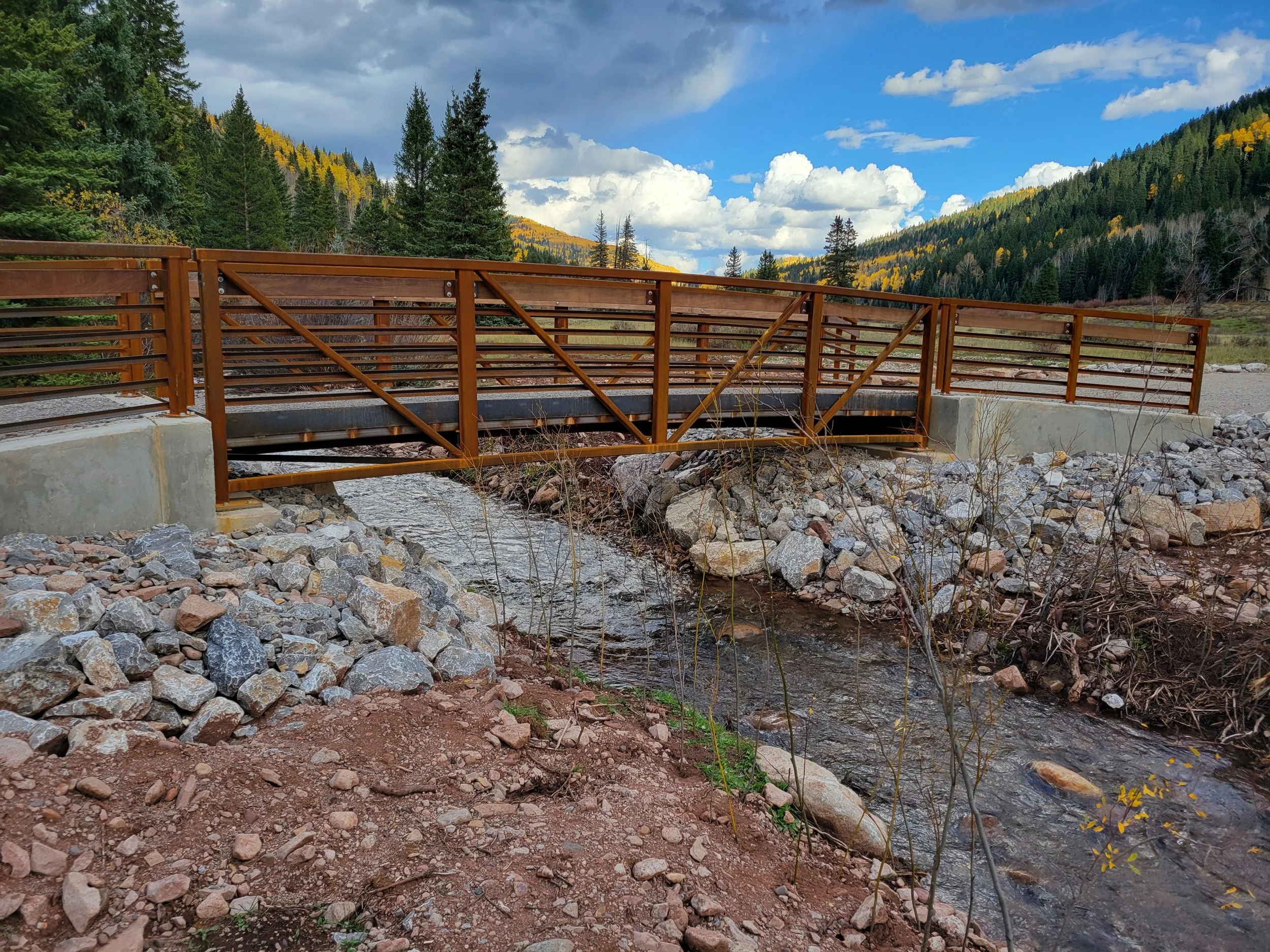
The second crossing, on East Hermosa Creek, saw the first step of restoration completed with a new foot/ATV bridge and horse crossing installed and the area revegetated, to support the future closure of the existing ford that connects to the popular Hermosa Creek trailhead accessed by the road from Purgatory ski area. With professional project management from TU staffer Anna Amidon, and volunteer support from the Five Rivers Chapter for revegetation efforts post-construction, the project is moving forward as part of a three-year vision. The bridge was installed this year; in 2027, TU and partners will work to relocate trailhead facilities (including the parking area, a horse corral and restrooms) to the near side of the East Fork. Completion of those facilities along with the work completed this year will then allow the Forest Service to close the ford for 2028, when the final phase of work will be to restore the stream and reestablish vegetated banks at the current ford site.
Hermosa Creek is an example of how long-term stewardship of a home watershed through restoration, advocacy, and community engagement can make a lasting difference for wild and native trout.