RSC Outing at Ouray Ranch

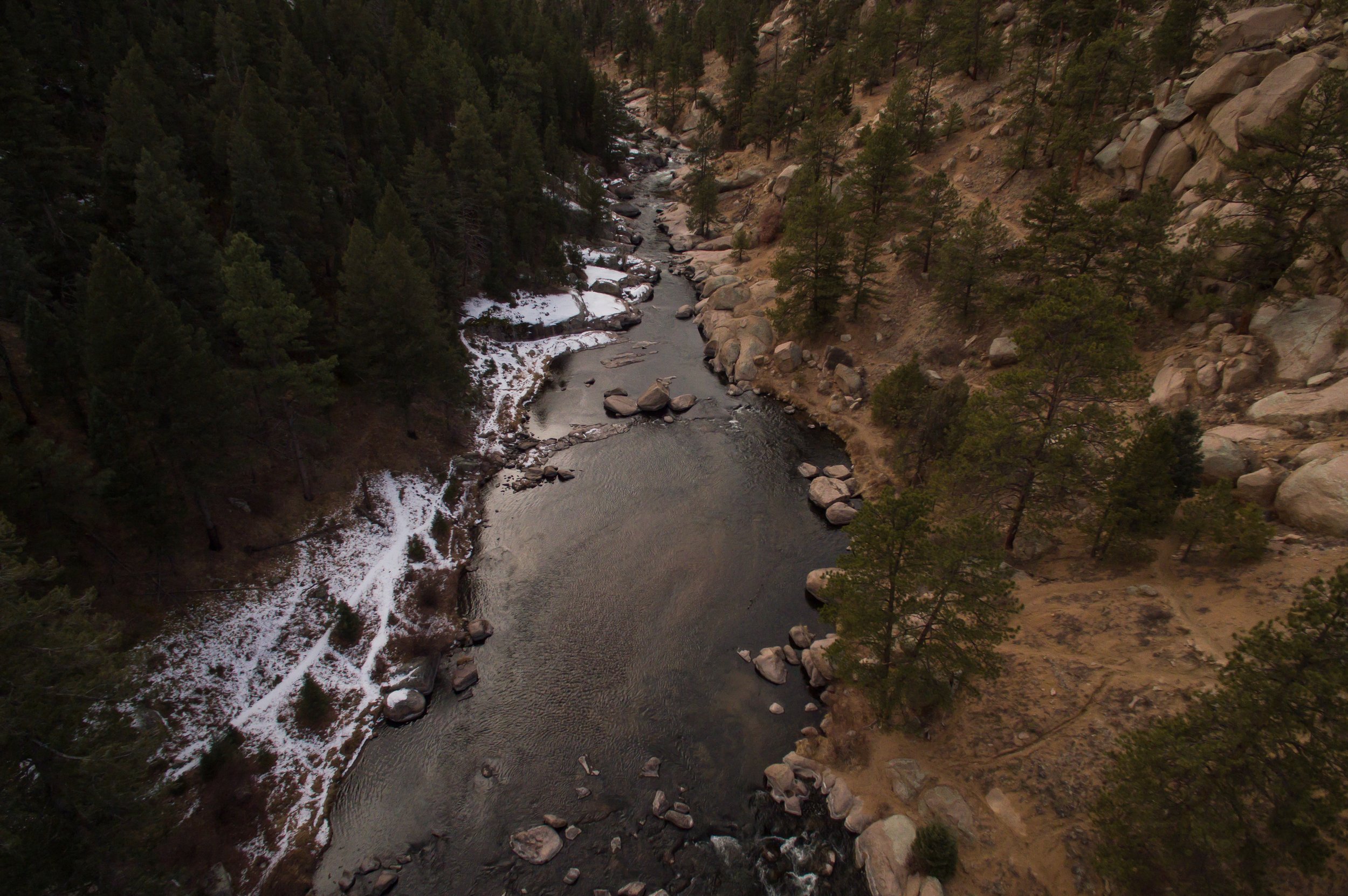
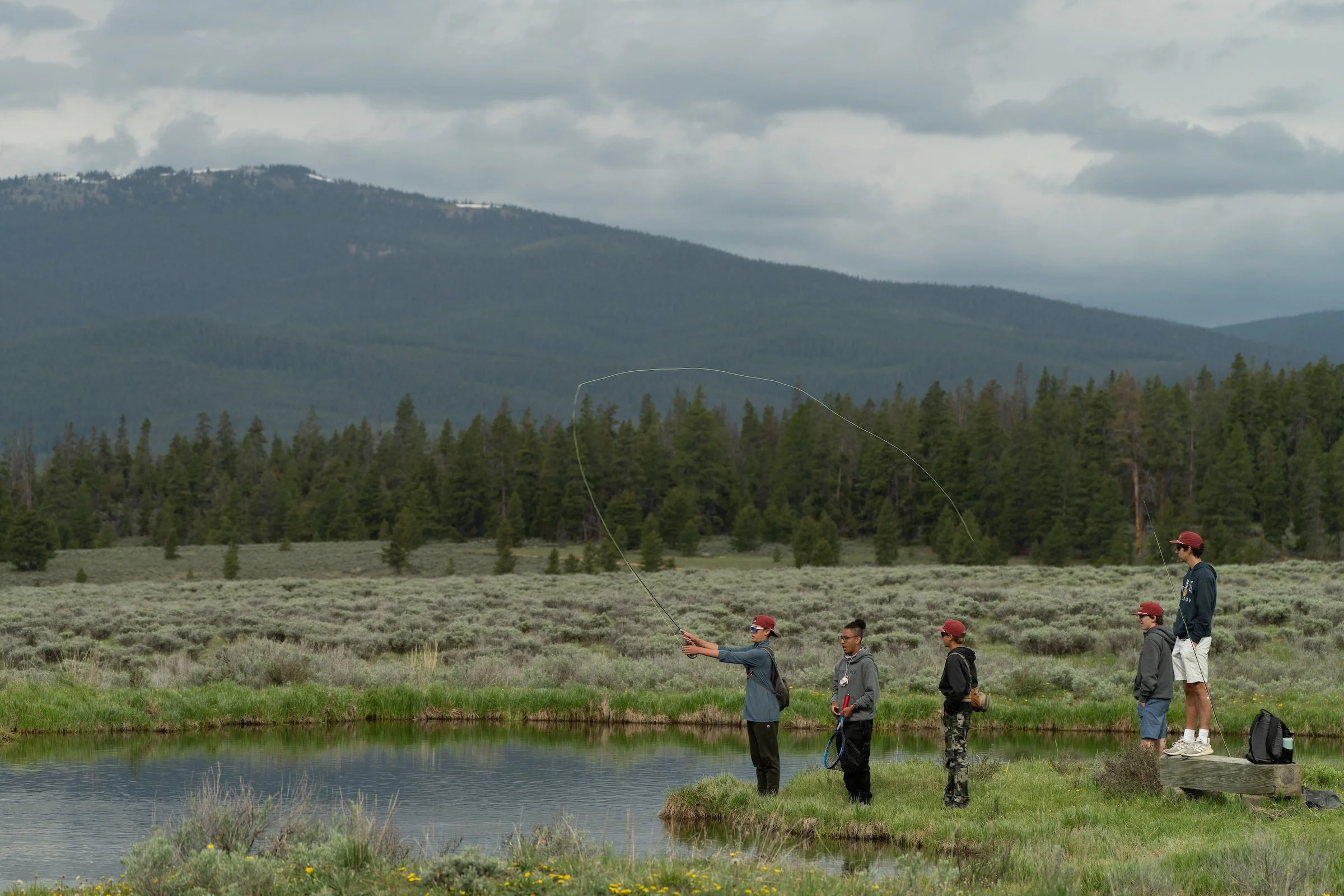
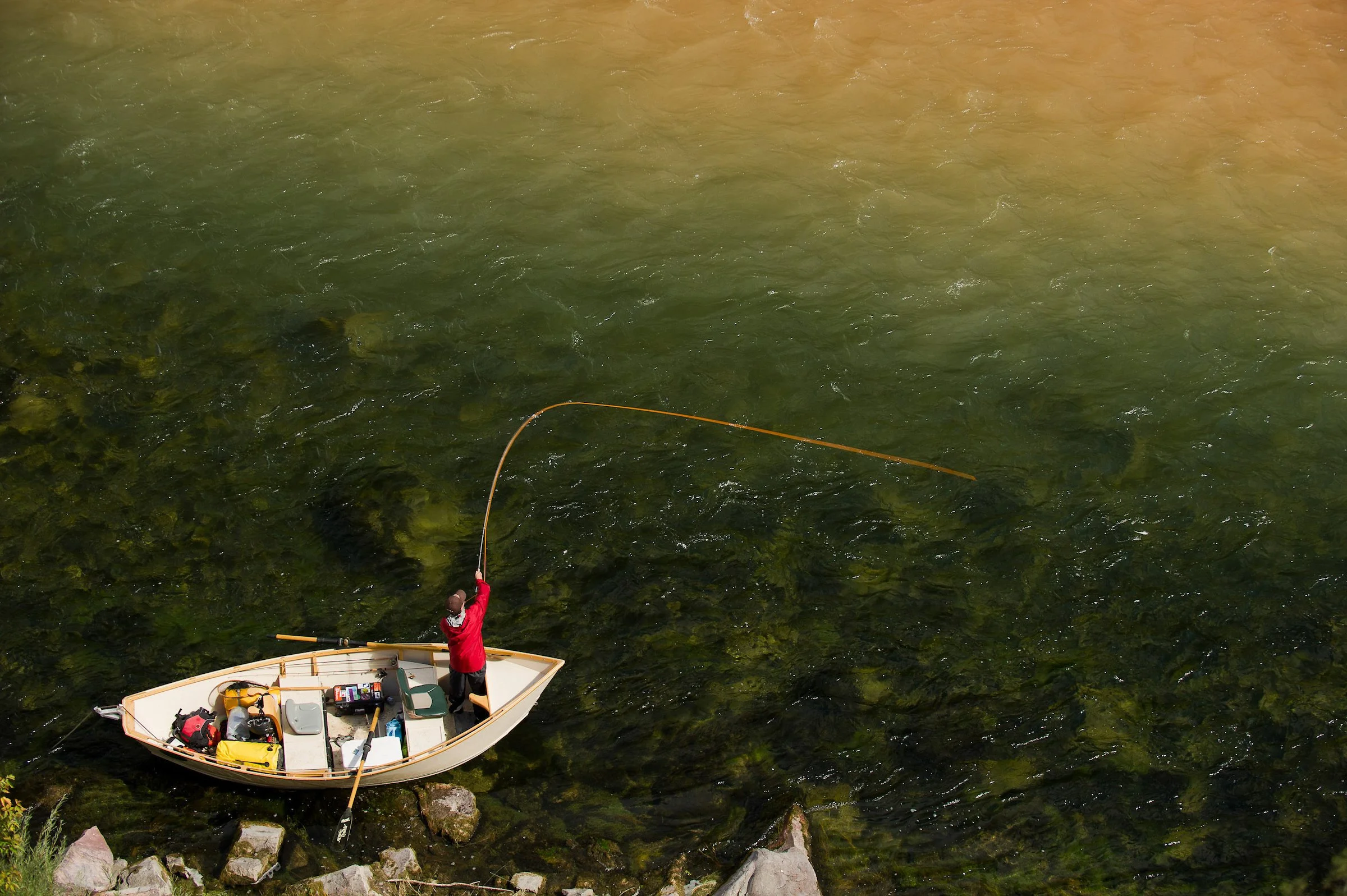
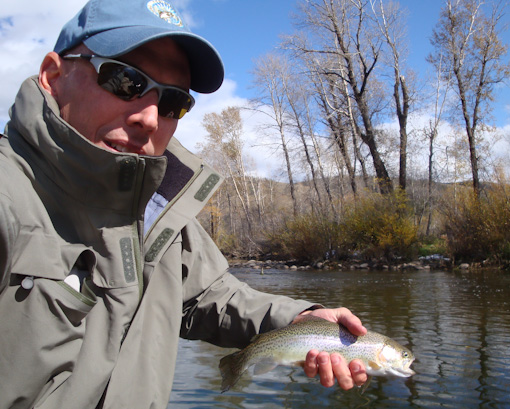
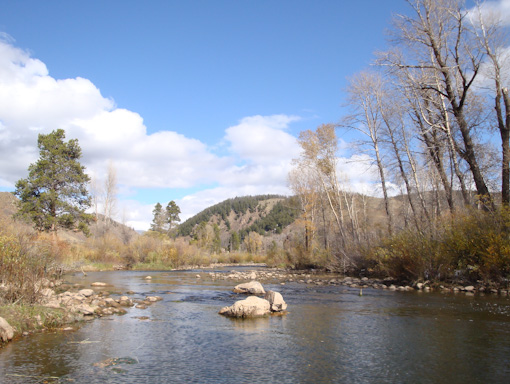
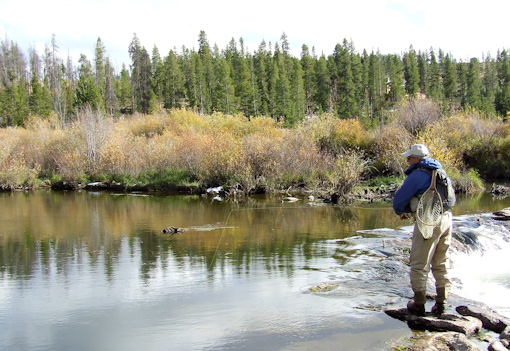
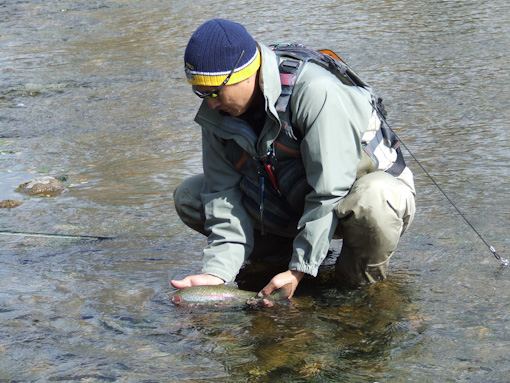
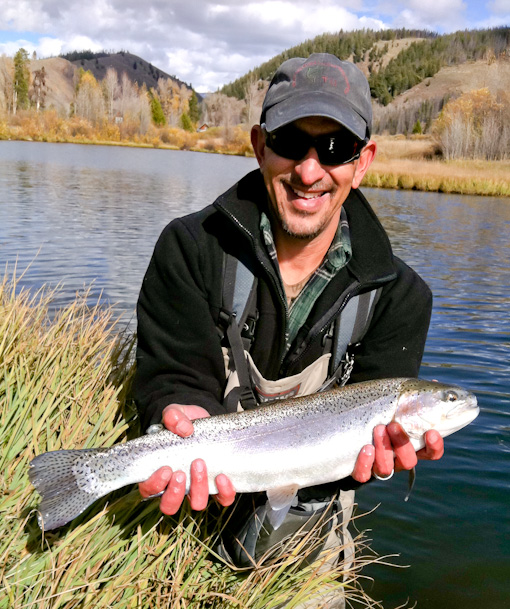
Last weekend Colorado Trout Unlimited River Stewardship Council members were treated to a sweet day of fishing at Ouray Ranch, near Granby, Colorado. Located on the banks of the Colorado River just below Grand Lake, the Ranch generously allowed Colorado TU to socialize with and appreciate some donors and luminaries who contribute to our efforts in preserving Colorado's rivers. Oh, and do some fishing too!

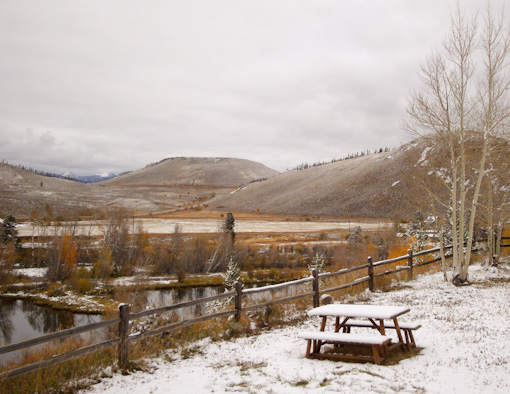
The morning started out fairly cold and overcast, but after a stimulating roundtable discussion about the health of the Colorado and Fraser Rivers, and the current state of negotiations, the skies started to clear and people were ready to get out on the water.

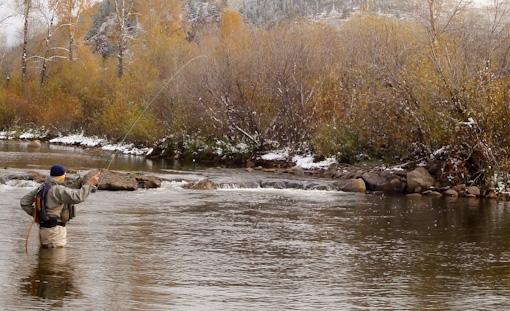
As the skies cleared, the temps warmed up and the dry-flies were working!


Thank you to all the great people who came out for this day on the water - your support is certainly appreciated - Colorado TU could not do what we do without you!

Thank you!

White River Best Wild Places - Part II

By Aaron Kindle Finishing the tale from yesterday's post - White River Best Wild Places - Part I

Day three we headed downstream to examine the impacts of oil and gas development and to see some of the little known wild gems of the lower White.  We began on Piceance Creek road, the center of most energy development in the basin. We saw a large pipeline being constructed, many oil and gas facilities and rigs, and a few streams that have been altered from both grazing and energy development.  Fortunately, we had the pleasure of bringing Scott Warner along for this portion of the trip. Scott is a member of the newly formed TU chapter in Steamboat and has hunted the lower White for 15 years. He offered lots of perspective, explained how energy development had changed the area, and told us hunting stories.


Here I took the chance to explain our efforts regarding energy in the basin including the Sportsmen’s Conservation Vision that I recently submitted to the BLM. The document was created in hopes of helping the BLM craft the appropriate stipulations and other safeguards for energy production to ensure the permanent existence of hunting and fishing on BLM lands in the basin. It calls for a prudent and common sense approach to development and offers guidance for developing in a responsible manner that is compatible with land and stream conservation.

As the tour continued, we traveled high onto the Cathedral Bluffs and had the chance to gaze down into Lake and Soldier Creeks. These two creeks hold some of the last remaining pure populations of cutthroat trout in the lower White River Basin. One can tell why these streams hold the elusive creatures – they are pristine, mostly unroaded, and undisturbed by most people. TU is working on several fronts to keep these creeks and others like them in the basin protected and restored where necessary.

The last morning we wrapped up the trip with some small creek fishing for Colorado River Cutthroats on a small tributary to the White River. In only a couple hours we all had caught several fish and I was even lucky enough to land a big cutthroat/cutbow after some thoughtful coaching from Kirk Deeter and Chris Herrman.


We ended the trip by visiting a ranch where Chris has been working on an easement. We met with the ranch manager, a Rio Blanco County Commissioner, and a fishing guide. After listening intently to their perspectives and ideas about how to move into the future in the basin, a sense of both satisfaction and melancholy came over me. While I am happy about our work in the basin and the success we are starting to find, it is always hard to leave such a great area and to say goodbye to great folks dedicated to keeping wild places wild. The White River Basin is a great wild place. May it always stay that way.

Look for more from Field and Stream in the coming weeks about the tour.

Best regards, Aaron Kindle       akindle@tu.org

White River Best Wild Places - Part I

By Aaron Kindle Trout Unlimited staffers and Field and Stream writer Kirk Deeter ventured into the White River Basin last week for the Best Wild Places field tour.  TU and Field and Stream partner for Best Wild Places to highlight some of the best places across the nation to hunt, fish, and enjoy the outdoors and to examine the issues related to conservation in those areas. After heading down to the Dolores River Country earlier in the summer, it was time to head for the White.

Along with Kirk Deeter, TU staffers in attendance were Chris Herrman, Colorado Plateau Land Protection Coordinator; Brian Hodge, Yampa/White Basin Project Coordinator; and myself, Aaron Kindle, Colorado Field Coordinator. The three of us were amply prepared to give Kirk an earful about the various public and private land issues of the basin.


The first day started out with some logistics but quickly progressed into some fishing on the main stem of the White River just after the North and South fork meet. We fished a Colorado Parks and Wildlife property right off the road. Upon arriving at the river, we immediately spotted feeding trout and the tour had officially begun. All of us caught a few rainbows and browns. The weather was spectacular and the camaraderie was already building. We all knew we were in for a few days of fishing, learning, and enjoying some spectacular country. After a great dinner that night and providing Kirk with an overview of the basin we were ready for day two.


Trappers Lake on the edge of the Flat Tops Wilderness was our first destination on day two. After a short walk to the lake, we were greeted with large cutthroats cruising the shores. Within minutes of arriving, everyone had a fish on the line. The fish were if nice size – all in the 14-20 inch range - and everyone was enamored by the beauty of this pristine lake. During this portion of the tour we talked about the various threats facing the roadless areas surrounding the Flat Tops Wilderness including HR 1581, insufficient provisions of the Colorado Roadless Rule, and the pending 10th Circuit Court’s decision on the 2001 Roadless Rule. These roadless backcountry lands are critical to maintaining the wild and primitive character and the fish and wildlife in the area including the largest elk herd in N. America and hundreds of coldwater streams. The White River National Forest is also working through and Oil and Gas Environmental Impact Statement and we talked at length about the need for protecting key habitats and fish populations when and if drilling moves into the upper White River Basin.

On the way to our afternoon destination we had the pleasure of meeting up with Jeff Hastings, a TU staffer that works in the Driftless area of the upper Midwest. He and a buddy came clear from Wisconsin to the White River basin to elk hunt, as they have for the past five years. It was great to hear about his hunt and meet a fellow TU’er. The afternoon found us fishing to the south on the South Fork of the White River. This stop gave Chris Herrman a chance to talk more about working on conservation easements with private landowners, the advantages of the easements, some of the hurdles to protecting these areas, and what more can be done. The lower section of the South Fork is mostly privately owned and TU is working with private landowners in that type of setting across the basin to keep their lands productive for fish and wildlife.  Brian Hodge also took this chance to provide an overview of the restoration projects he is planning in the basin and the state of the fishery. Kirk Deeter landed the fish of the day, a beautiful 18” cutthroat in a nice hole along a cliff wall.


Stay tuned for Part II of this amazing trip!


Denver Post: Colorado's South Platte River a viable fishery

Denver Post Will Rice

Tyler Kendrick stalked the water slowly in front of me, about 40 feet ahead in clear shallow water. His lime-colored fly line trailed behind like a tail.

I squinted against the hot sun and scanned the far bank looking for tails and fish. They were there; we just had to find them. Tyler suddenly stopped and stood dead still. His body language, like a cat stalking a mouse, indicated he spotted a fish. He stripped out a few more feet of line and took a half step forward.

It was going to be a longshot. Tyler made two powerful back casts and punched his cast to the right into the faster current moving downstream.

Kendrick and I had teamed up for Denver Trout Unlimited's fifth annual Carp Slam, a fishing tournament created to raise money for improvements on the battered and bruised metro section of the South Platte. Sixteen amateurs and 16 professionals competed last month and raised more than $30,000 for projects intended to improve the river as a fishery and a recreational waterway.

"We want to expose people to angling opportunities close to home and provide an opportunity for youth to take the first cast," said Todd Fehr, president of Denver Trout Unlimited. "First-time casters grow up to be future conservationists and stewards of our state's water resources."

Click here to read the full article.

TU now accepting Embrace-A-Stream grant applications

Trout Unlimited is pleased to announce that it is now accepting Embrace-A-Stream (EAS) grant applications for eligible coldwater fisheries conservation projects. Embrace-A-Stream (EAS) is the flagship grant program for funding TU's grassroots conservation efforts. Since its inception in 1975, EAS has funded over 980 individual projects for a total of more than $4 million in direct cash grants. Local TU chapters and councils contributed an additional $13 million in cash and in-kind services to EAS funded projects for a total investment of more than $17 million. In 2011, EAS funded 25 projects in 15 states, with an average grant award of $5,000. View the list of projects funded by EAS last year. Please be sure to read each section of the application for funding carefully so that you understand the guidelines, proposal format and submission requirements. EAS committee members and staff are able to provide advice and guidance on potential project applications. Even if you do not have questions about preparing your proposal, applicants are required to contact their EAS committee representative to discuss proposal ideas by November 14, 2011. The deadline for submission is December 12, 2011. For further information or to request additional copies of the application, please contact Rob Roberts at 406-543-1192. To participate in a webinar training on November 2 at 8 p.m. EST, please RSVP to Rob Keith at 703-284-9425.